Palos Verdes Estates Has One Median Price and Four Different Markets
September 10, 2026
September 10, 2026
Over the three months ending in May 2026, the median home in Palos Verdes Estates sold for $3.0 million, a dip of 0.73 percent from the same period a year earlier. In that same window, the median price per square foot rose 9.3 percent, and the average home sat on the market for 43 days instead of 32. Read those three numbers together and you get a market that is somehow slightly cheaper, meaningfully pricier per square foot, and slower to close, all in the same three months.
That is not a puzzle you solve with one more number. It is a sign that Palos Verdes Estates is not a single market at all. It is four of them: Malaga Cove, Valmonte, Lunada Bay, and Monte Malaga. Each is a small, self-contained district with its own buyer pool and its own rhythm, and over the past year and a half they have not been telling the same story. A citywide median reflects sales across four neighborhoods pulling in different directions, and if you are buying or selling on one specific street, that citywide figure can quietly mislead you.
Palos Verdes Estates was laid out in the 1920s under the master plan of landscape architect Frederick Law Olmsted Jr., and it still reads that way today: winding roads, no street lights, and a footprint that comfortably fits four historic districts inside one small city. Malaga Cove and Lunada Bay each anchor a walkable commercial node, Malaga Cove Plaza and Lunada Bay Plaza, while Valmonte and Monte Malaga are almost entirely residential. Lunada Bay's upper reaches still carry the old name Margate in local MLS records, a naming quirk that shows up in every neighborhood-level sales report for the area.
The reason this matters for pricing is scale. A city this size sells homes in the dozens per year within each district, not the hundreds. A handful of estate sales in one quarter can swing a neighborhood's average price by six figures, and a handful of sellers deciding to wait can swing a district's transaction count more than any shift in buyer demand ever could. That volatility is normal here. It is also exactly what a citywide median flattens out.
The 2025 district sales figures below draw on Palos Verdes Source's 2025 neighborhood sales report; Valmonte's first-half 2026 figures come from its Valmonte report.
| District | Sales Volume | Price per Square Foot | What It Signals |
|---|---|---|---|
| Malaga Cove | Not the highest-volume district in 2025 | $1,096 per square foot in 2025, the highest in the city | Scarcity at the top is holding firm |
| Lunada Bay/Margate | 61 sales in 2025, up from 45 in 2024 | $1,044 per square foot in 2025, up 2.8% from $1,016 | The only district gaining on both volume and price |
| Monte Malaga | 21 sales in 2025, down from 30 in 2024 | Not separately broken out at the district level | Fewer transactions, not necessarily softer value |
| Valmonte | 14 sales in the first half of 2026, down from 23 in the first half of 2025 | $1,154 per square foot in the first half of 2026, up 4.7% from $1,102 | A thinner, pricier trade: fewer sellers, higher stakes per deal |
Malaga Cove's highest-priced 2025 sale closed at $9.7 million, and the district's average price per square foot outran every other neighborhood in the city. What the volume number does not show is why turnover there stays low even as price holds: some of the priciest inactive parcels in Malaga Cove are being marketed at land value with fully approved architectural plans already attached, which means the property is effectively pre-sold to a buyer who wants to build rather than move in. That kind of inventory does not behave like a normal resale. It sits, it commands a premium, and it never shows up as a quick transaction.
Lunada Bay and Margate told the opposite story in 2025. It was the busiest district in the city by a wide margin, and it was one of only three Palos Verdes neighborhoods anywhere on the peninsula where price per square foot actually climbed instead of eased. The pull here is straightforward once you walk it: three schools within a short walk or bike ride, a small commercial strip built around a fountain and a handful of family-run shops, and direct access to bluff-top trails and a well-known point break. Taken together, those features help explain why Lunada Bay/Margate stood out in the 2025 results.
Monte Malaga is the district most likely to be misread by anyone relying on a citywide number. It carries the largest single-family lots in the city, which means its sales are dominated by owners who bought decades ago and are in no hurry to leave a flat, view-oriented parcel. When 2025's sales count dropped to 21 from 30 the year before, that drop reflects fewer owners choosing to list, not fewer buyers wanting in. A district built around estate-sized lots with long ownership tenures will always show this pattern: demand can be steady while supply simply refuses to move.
Valmonte's first half of 2026 is the clearest case of a market getting mistaken for its opposite. Sales fell to 14 from 23 over the same period a year earlier, the kind of drop that on its own reads as a cooling neighborhood. But the average sale price rose to just over $3.04 million from $2.62 million, and price per square foot climbed 4.7 percent to $1,154. With only four homes actively listed in the district at the time of that report and none of them condos or townhomes, Valmonte in 2026 is not a slow market. It is a shallow one, where every available home draws serious competition and the buyers who show up are prepared to pay for it.
Most of the market summaries that circulate each year are not actually about Palos Verdes Estates alone. The annual wraps that get shared and quoted most often cover the entire Palos Verdes Peninsula, folding in Rancho Palos Verdes, Rolling Hills, and Rolling Hills Estates alongside Palos Verdes Estates itself. The 2025 peninsula-wide numbers showed average sales price down 4.7 percent and average price per square foot down 3.1 percent, even as the total number of homes sold rose 7.2 percent.
A market where more homes are selling while the average price falls is not weakening. It is shifting toward a different price band.
That shift shows up clearly in the first half of 2025 peninsula data, when homes priced between $1 million and $2 million grew to 44.8 percent of all sales, up from 41.4 percent a year earlier. More transactions happened at the lower end of the peninsula's price spectrum, which pulled the reported average down even while individual Palos Verdes Estates districts like Lunada Bay and Valmonte were posting gains. The peninsula-wide number was never wrong. It was just describing four cities and dozens of neighborhoods at once, which is a very different question than what your target street in Malaga Cove or Monte Malaga is actually doing.
If you are pricing an offer or a listing in Palos Verdes Estates, the citywide and peninsula-wide medians are worth a glance and nothing more. What actually tells you whether you are in a buyer's or seller's position is the pairing of transaction volume and price-per-square-foot direction inside your specific district.
A district with rising volume and price per square foot, like Lunada Bay/Margate in 2025, is gaining momentum. One with falling volume and rising price per square foot, like Valmonte in the first half of 2026, is tightening, so a low offer built around a citywide dip will lose. A district with falling volume and a large-lot, long-tenure character, like Monte Malaga, may simply have fewer sellers rather than fewer buyers, which calls for patience and off-market conversations rather than aggressive pricing based on scarcity. And a district holding the highest price per square foot in the city, like Malaga Cove, may have some of its best inventory sitting as land plays with approved plans attached, which will never show up in a simple sales count no matter how strong demand actually is.
How current is this neighborhood-level data? District-by-district sales reports for Palos Verdes Estates are typically published twice a year, once as a full-year wrap in January and once as a first-half update in the summer, so the freshest available figures usually lag actual closings by six to eight weeks.
Does a lower sales count in a district always mean softer demand? No. Monte Malaga's 2025 drop from 30 to 21 sales reflects an estate-lot neighborhood where long-tenured owners are choosing not to list, not a neighborhood where buyer interest has faded.
Should I ignore the citywide median altogether? Not entirely. It is a reasonable temperature check for the city as a whole, but it should never be the basis for pricing a specific offer or listing. That decision belongs to the district-level numbers.
Palos Verdes Estates rewards buyers and sellers who read it at the district level, not the headline level. If you are trying to figure out what Malaga Cove, Lunada Bay, Valmonte, or Monte Malaga is actually doing right now, Accardo Real Estate Associates can walk you through the current numbers street by street. Request a complimentary market consultation to see what your specific district is really telling you.
Stay up to date on the latest real estate trends.
How strategic pricing, thoughtful property improvements, professional staging, and targeted marketing helped turn a Palos Verdes Estates home into a multiple-offer suc… Read more
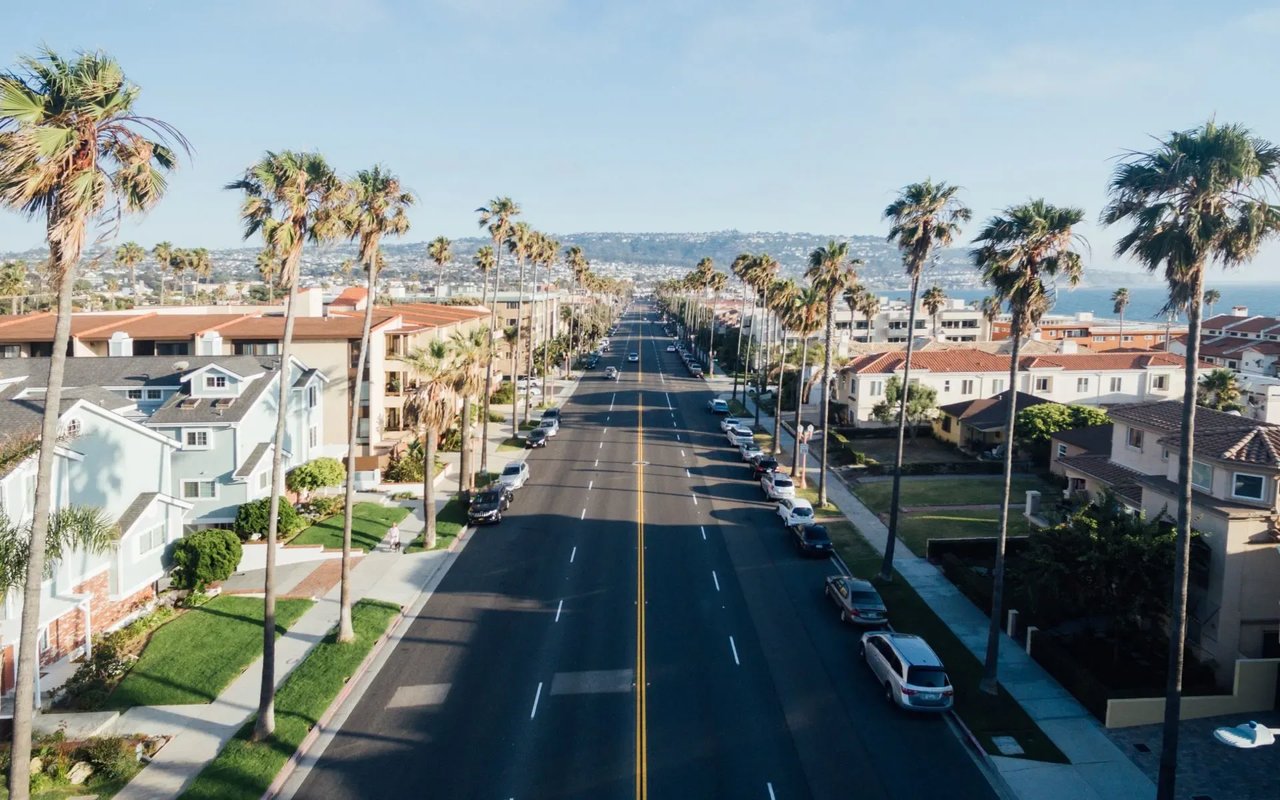
Hollywood Riviera History | Torrance & Redondo Beach
Real Estate
Thinking of buying or selling in the South Bay before the holidays? Explore mortgage rates, local market trends, and expert advice for your next move.
South Bay
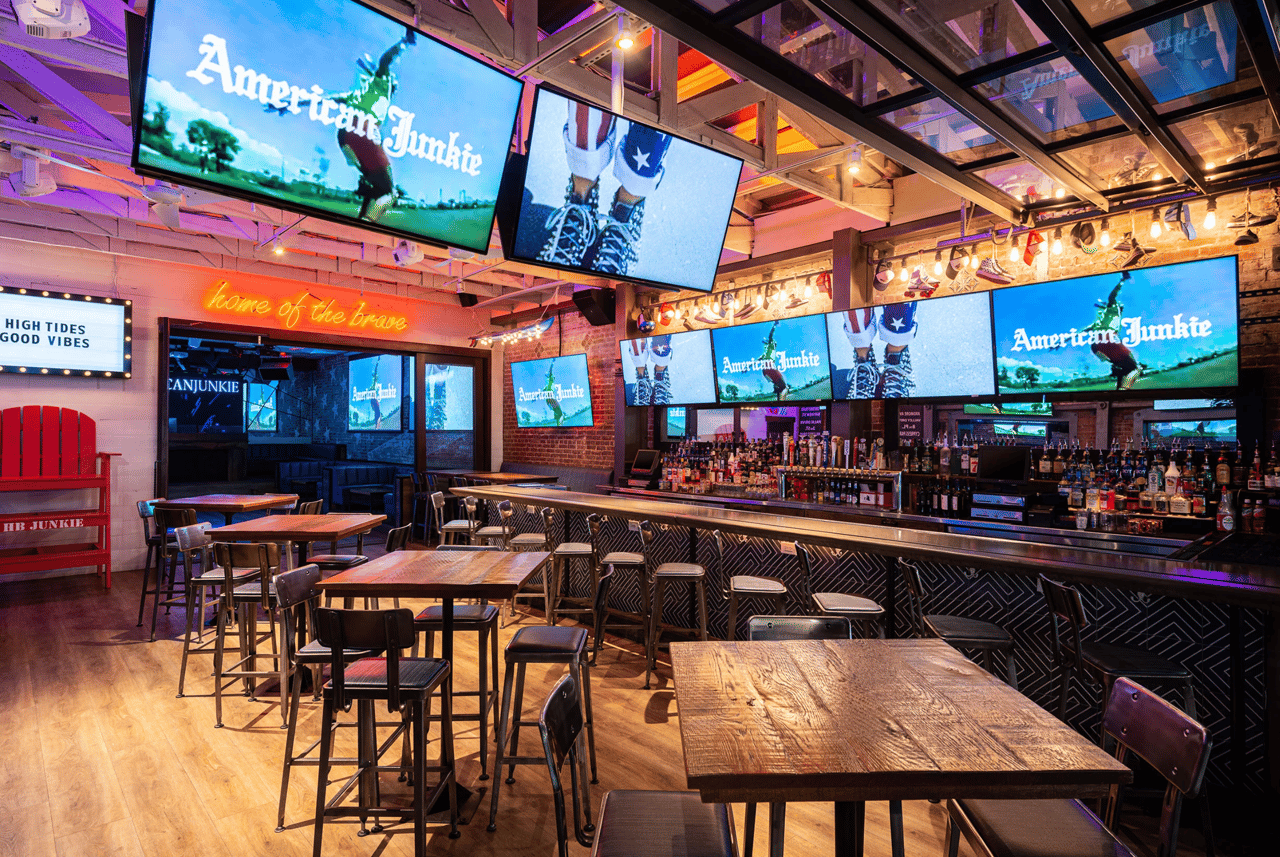
Football season is officially back, and sometimes watching from the couch just doesn’t cut it. Whether you’re looking for wall-to-wall TVs, a packed game-day crowd, w… Read more
Tony and his team set out to be not just the best possible realtors but also trusted resources. Their experience goes well beyond their years as South Bay's top-producing Realtors®.
Thinking of buying or selling in the South Bay? Our team specializes in strategic home preparation, elevated marketing, and expert negotiation designed to maximize your home’s value. Call or Text 310.855.3557 to start the conversation.
Palos Verdes Office:
550 Silver Spur Road, Suite 110
Rancho Palos Verdes, CA 90274
Hermosa Beach Office