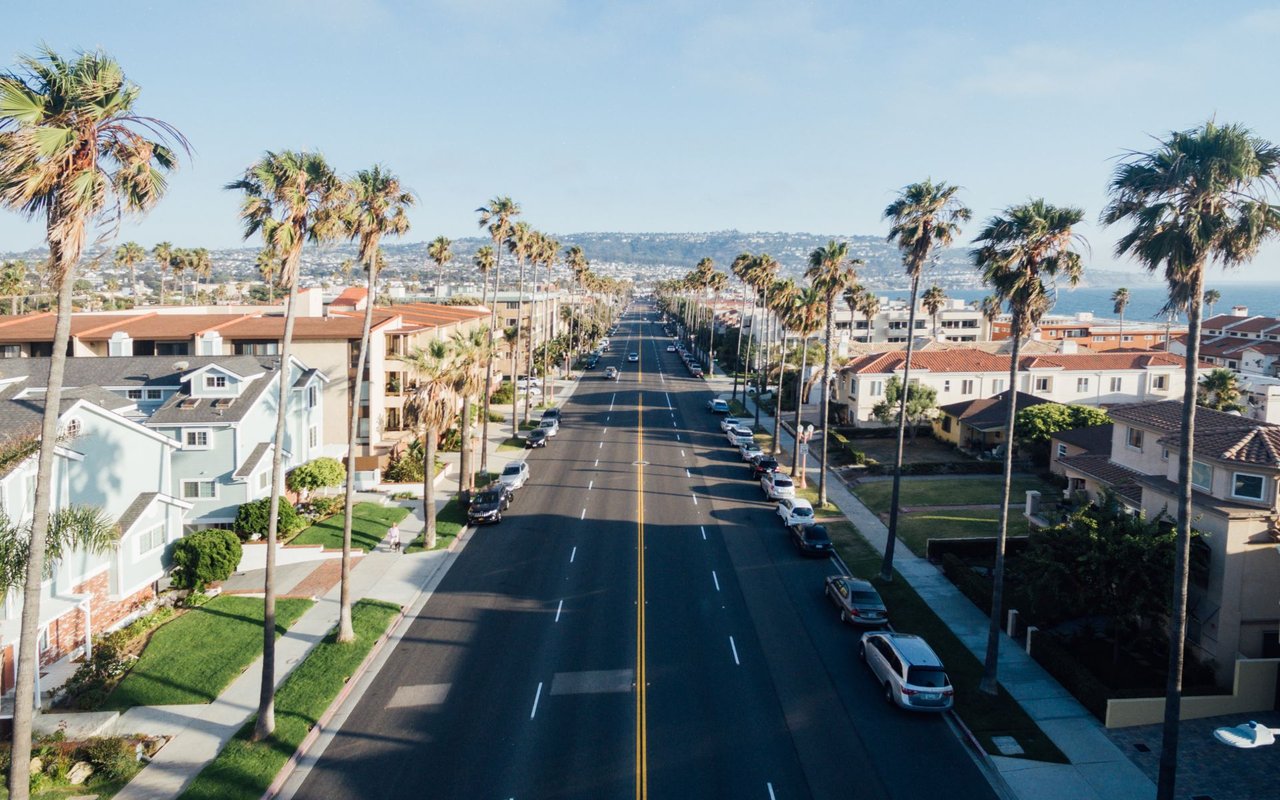
Torrance, California

Explore Torrance, California Homes and Coastal Living

Explore Torrance’s coastal, historic, residential, and centrally located neighborhoods, along with the homes and local destinations that shape everyday life.

Torrance at a Glance

Coastal Access, Established Neighborhoods, and Everyday Convenience

Torrance covers a broad part of the South Bay, stretching from the Pacific coastline to residential and commercial districts farther inland. That scale creates meaningful variety: beach-adjacent streets, historic neighborhoods, postwar communities, active shopping corridors, local parks, and quieter pockets can all be found within the same city.

Hollywood Riviera, South Torrance, and Seaside connect closely with the coast and the Palos Verdes Peninsula. West Torrance offers convenient access toward Redondo Beach, while Central Torrance places major shopping and community destinations close at hand. Old Torrance introduces historic architecture and a traditional downtown, and North and Southeast Torrance provide additional residential choices with useful regional connections.

This guide compares those settings, the homes buyers may encounter, local landmarks, outdoor spaces, dining and shopping, and the routes that connect Torrance with the rest of the South Bay.

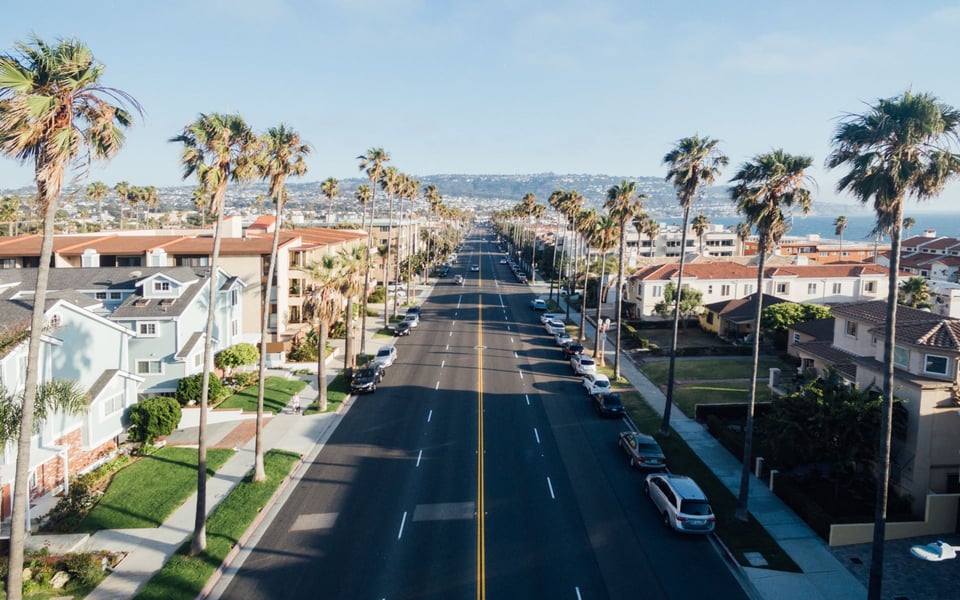
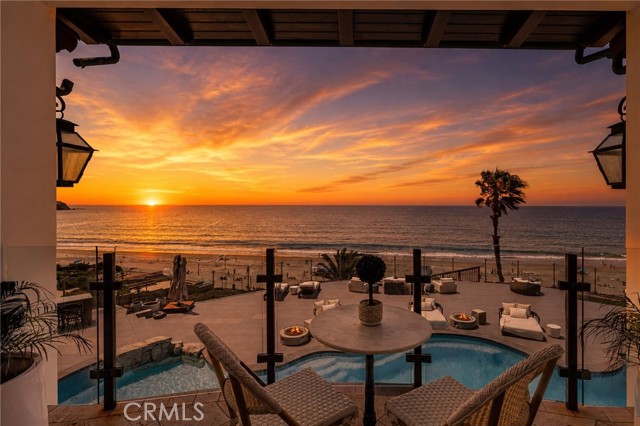
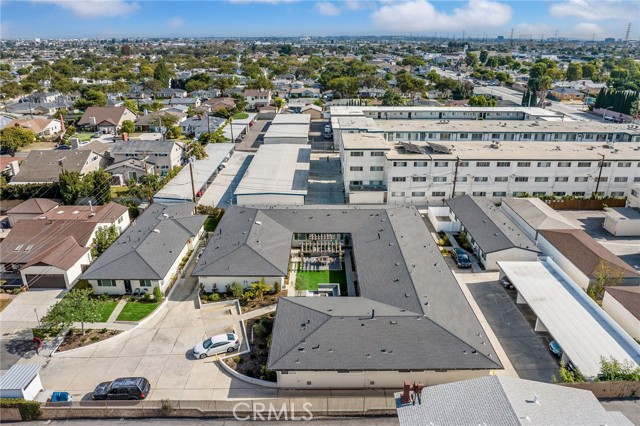
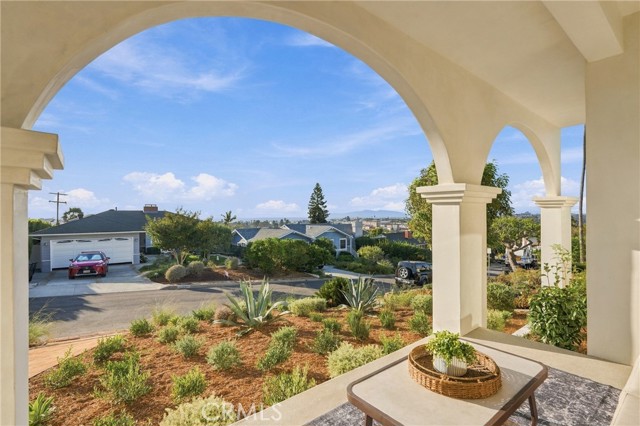
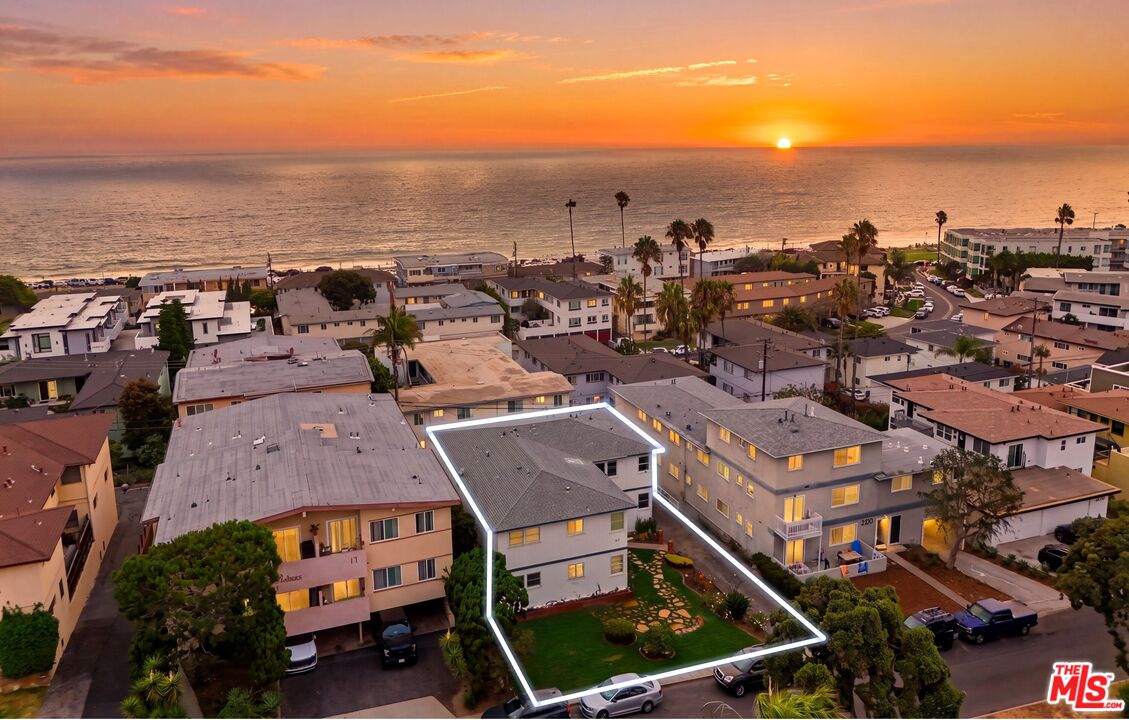
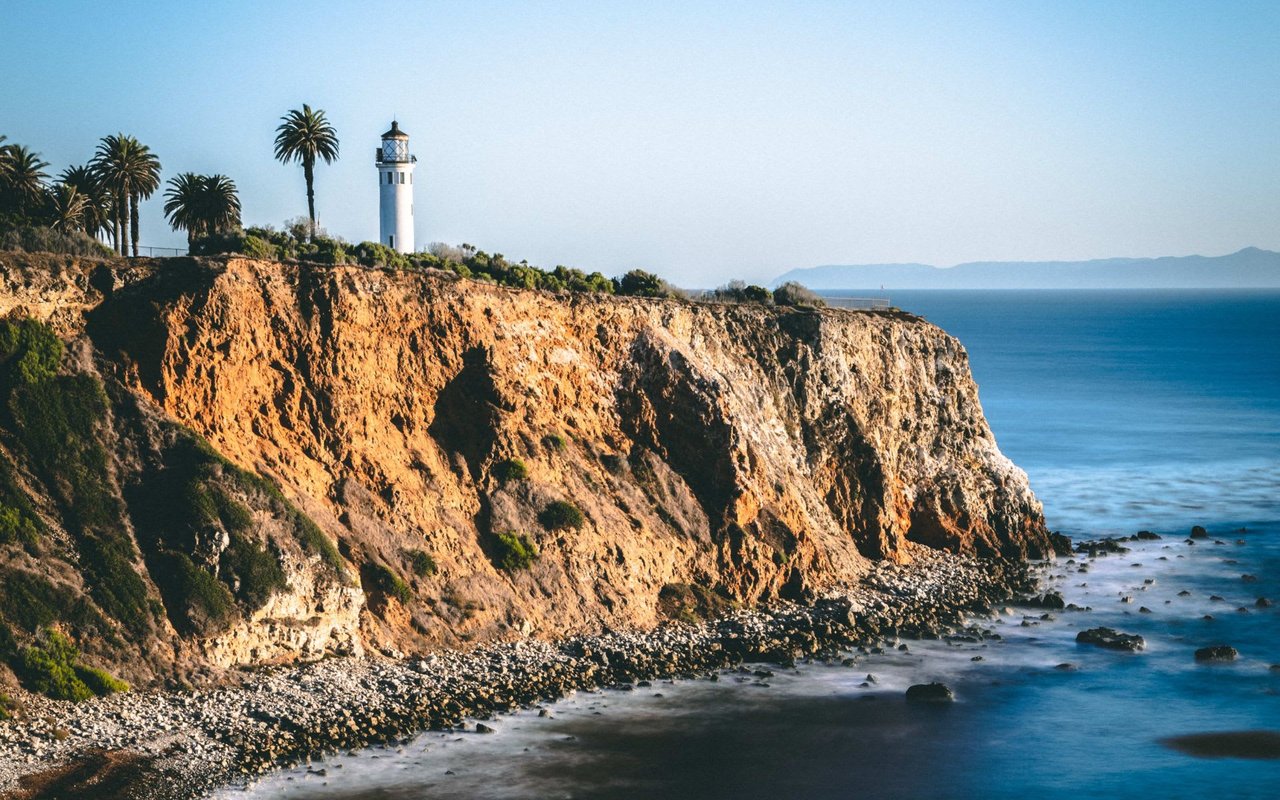
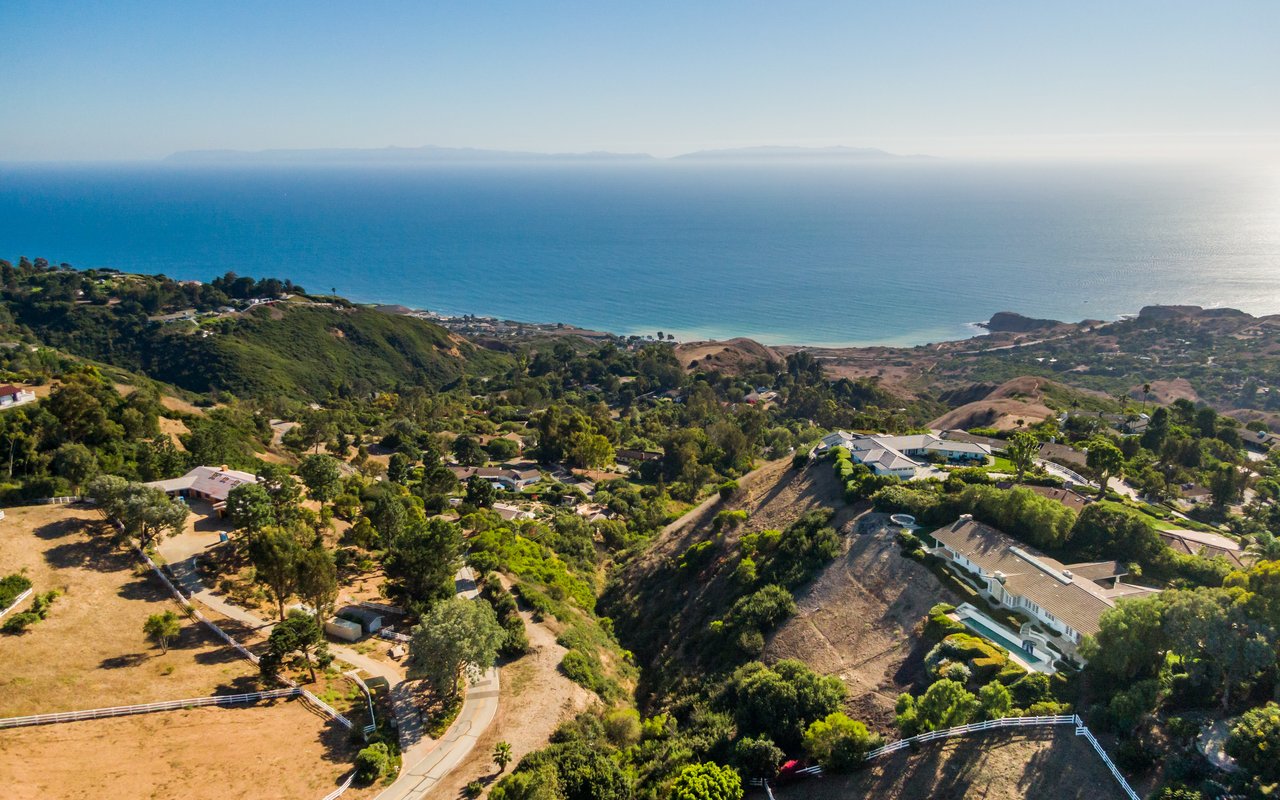
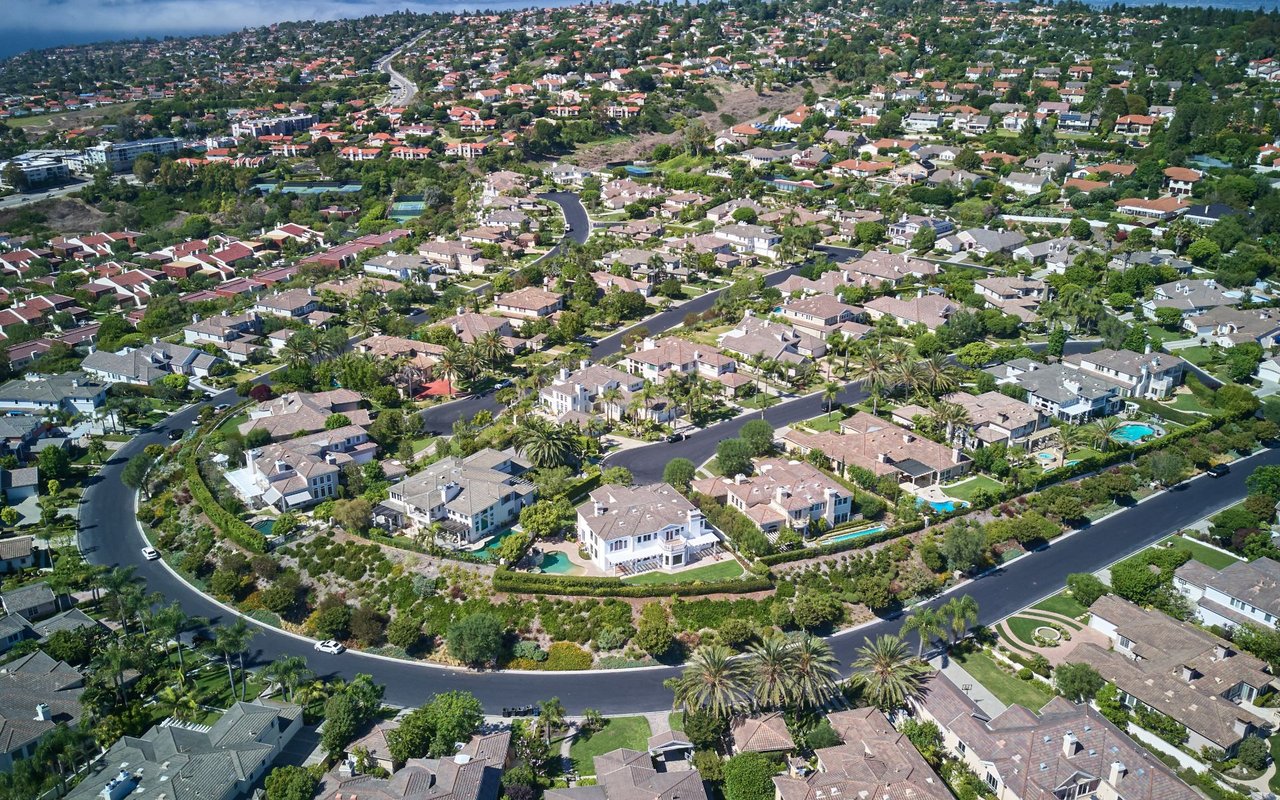
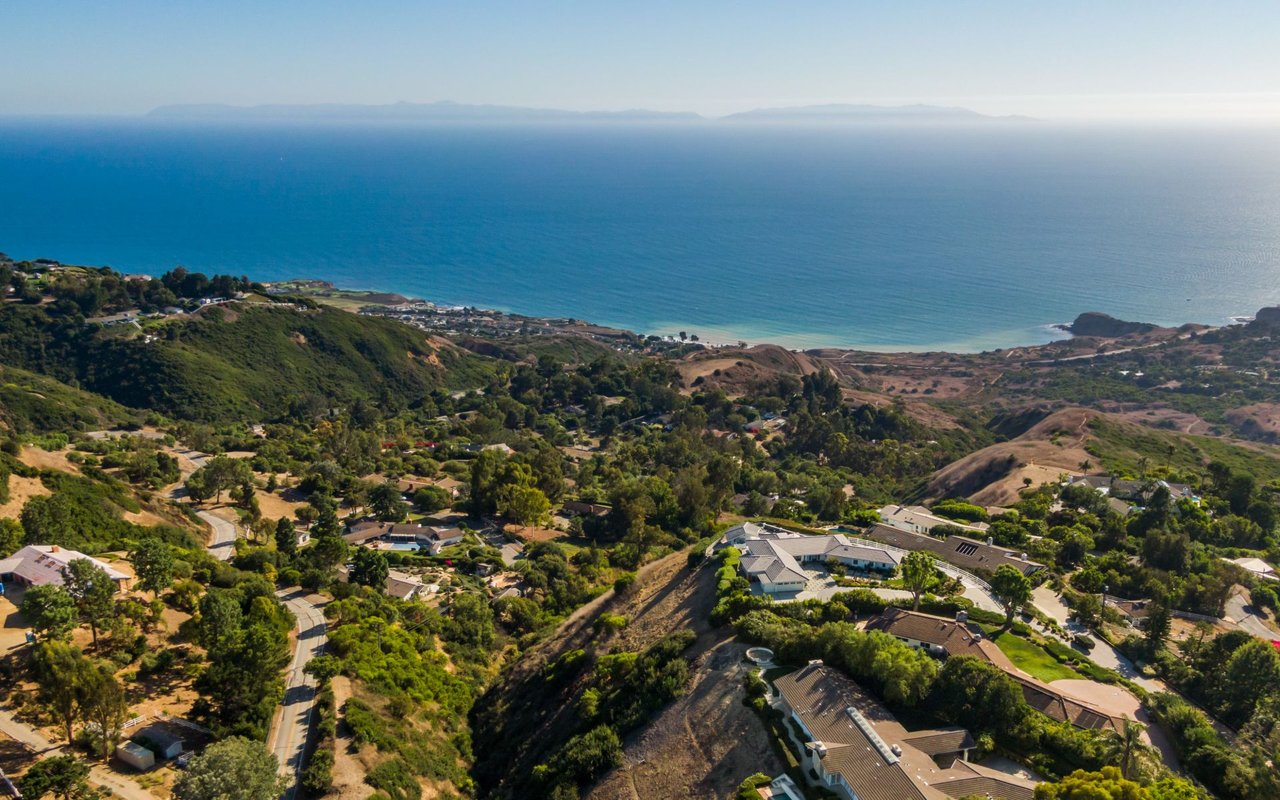
Torrance coastline and South Bay residential landscape

Living in Torrance

A City Defined by Range Rather Than One Lifestyle

Torrance does not ask every resident to organize daily life around the same center. Coastal neighborhoods look toward Torrance Beach, Riviera Village, and the Palos Verdes Peninsula. Central areas revolve more naturally around shopping, parks, medical services, and cross-city routes. Old Torrance has a compact historic core, while northern and eastern neighborhoods connect efficiently with surrounding employment districts and neighboring cities.

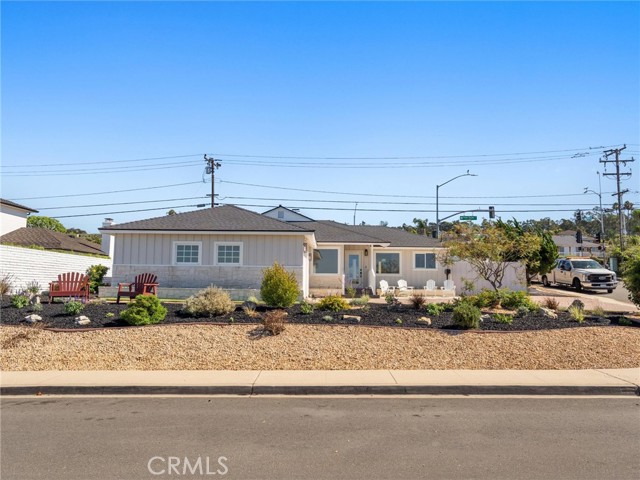
The difference is visible at street level. One search may lead to gently sloping residential streets near the coast; another may focus on mature ranch-home blocks, a walkable historic district, or an attached home near central conveniences. Even within a named neighborhood, lot position, street traffic, landscaping, and immediate surroundings can change the feel of a property.

For buyers, this makes location within Torrance as important as the city name itself. The most useful search begins with the setting, architecture, and everyday destinations that matter most.

Coastal and inland settings Historic and postwar streets Parks and urban open space Strong South Bay connections

Neighborhood Comparison

Explore Torrance's Residential Areas

Torrance neighborhood names describe recognizable parts of a large city rather than one uniform housing market. Comparing their position, homes, and everyday connections helps buyers create a more focused search.

01

Hollywood Riviera

Hollywood Riviera occupies Torrance's southwestern edge near the coast and Palos Verdes Peninsula. Hillside streets, selected ocean and city-light outlooks, breezes, and access to Torrance Beach distinguish the area. Riviera Village in neighboring Redondo Beach also serves as a nearby dining and shopping destination.

02

Southwood and Southwood Riviera

These established South Torrance neighborhoods feature mature landscaping, residential streets, and a broad collection of ranch and updated single-family homes. Their position supports access toward the coast, Pacific Coast Highway, neighborhood parks, shopping, and the Palos Verdes Peninsula.

03

West Torrance

West Torrance sits between Redondo Beach and central Torrance. Buyers may encounter detached homes, townhomes, and condos within residential pockets that remain convenient to western commercial corridors, parks, schools, and routes toward the coastline.

04

Seaside and Seaside Ranchos

Seaside and Seaside Ranchos are known for their western location and distinctive residential character. Streets can include original postwar homes, individual renovations, and more recent construction, with convenient access to South Torrance destinations and the beach.

05

Old Torrance

Old Torrance is the city's historic center. Mature trees, early residential architecture, civic landmarks, restaurants, cafes, and independent businesses create a more walkable and visibly established environment than many surrounding South Bay neighborhoods.

06

North Torrance

North Torrance includes residential pockets around Prairie Avenue, Artesia Boulevard, and Redondo Beach Boulevard. The area offers a practical position for reaching Hawthorne, Gardena, employment districts, and the 405 corridor while remaining connected to central Torrance.

07

Central Torrance and Del Amo

Central Torrance places residents near Del Amo Fashion Center, medical services, parks, restaurants, and major city routes. Housing includes single-family streets alongside condominium and townhome communities, giving buyers several ways to live near the city's commercial center.

08

Southeast Torrance

Southeast Torrance combines residential neighborhoods with convenient routes toward Old Torrance, Lomita, Carson, and Harbor-area employment. Buyers may find detached homes and attached properties in a setting that feels connected to both Torrance and the eastern South Bay.

Homes and Architecture

Residential Styles Across Torrance

Because Torrance developed across several eras, its housing can change considerably between neighborhoods. Original architecture, later additions, complete renovations, and contemporary infill often appear within the same broader area.

01

Historic Residences

Old Torrance includes cottages and period homes that reflect the city's early development, with varied architectural details and a strong relationship to the historic downtown streetscape.

02

Classic Ranch Homes

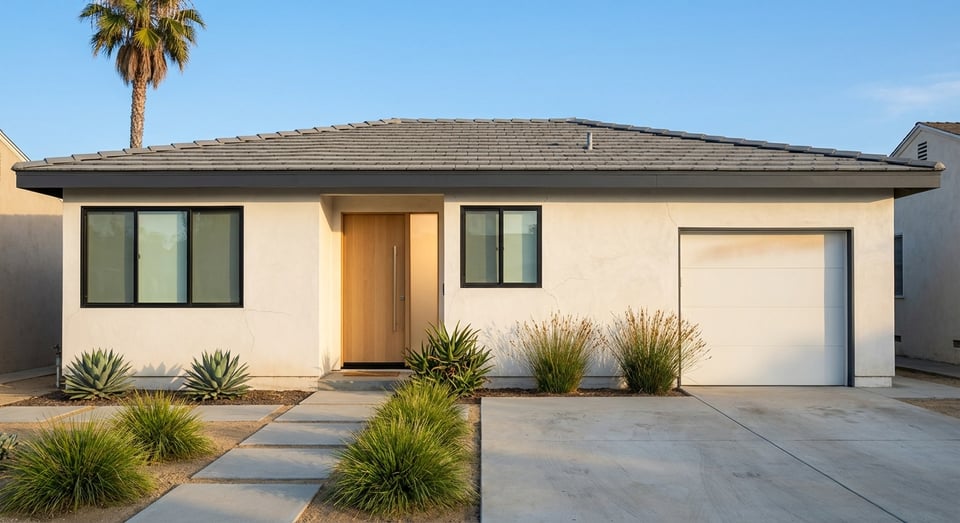
Single-level ranch houses are familiar across many postwar neighborhoods. Their straightforward layouts, established lots, and potential for indoor-outdoor living continue to appeal to a wide range of buyers.

03

Mid-Century Character

Broad windows, low rooflines, open living areas, and connections to patios or gardens appear in selected mid-century properties throughout the city.

04

Coastal and Hillside Homes

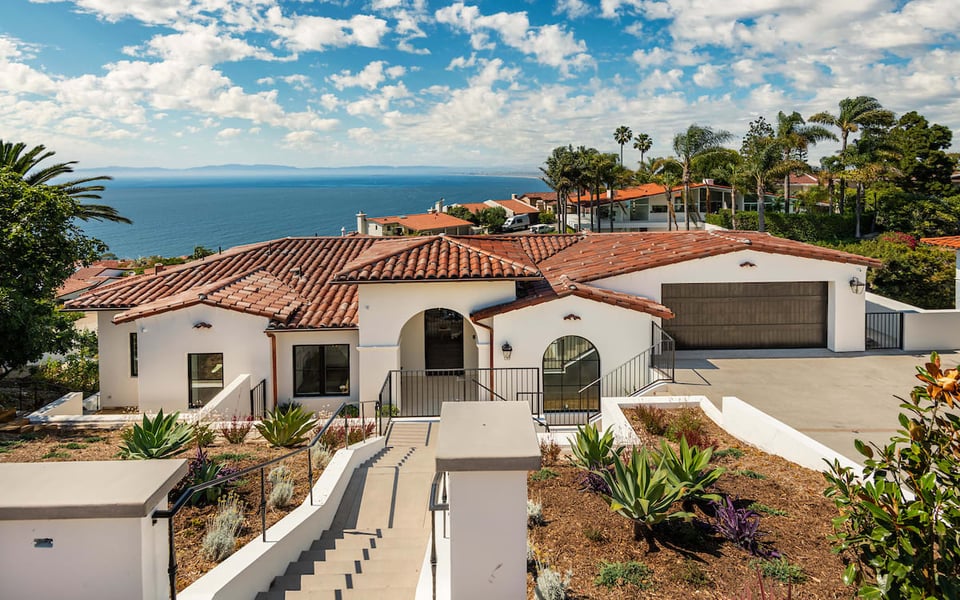
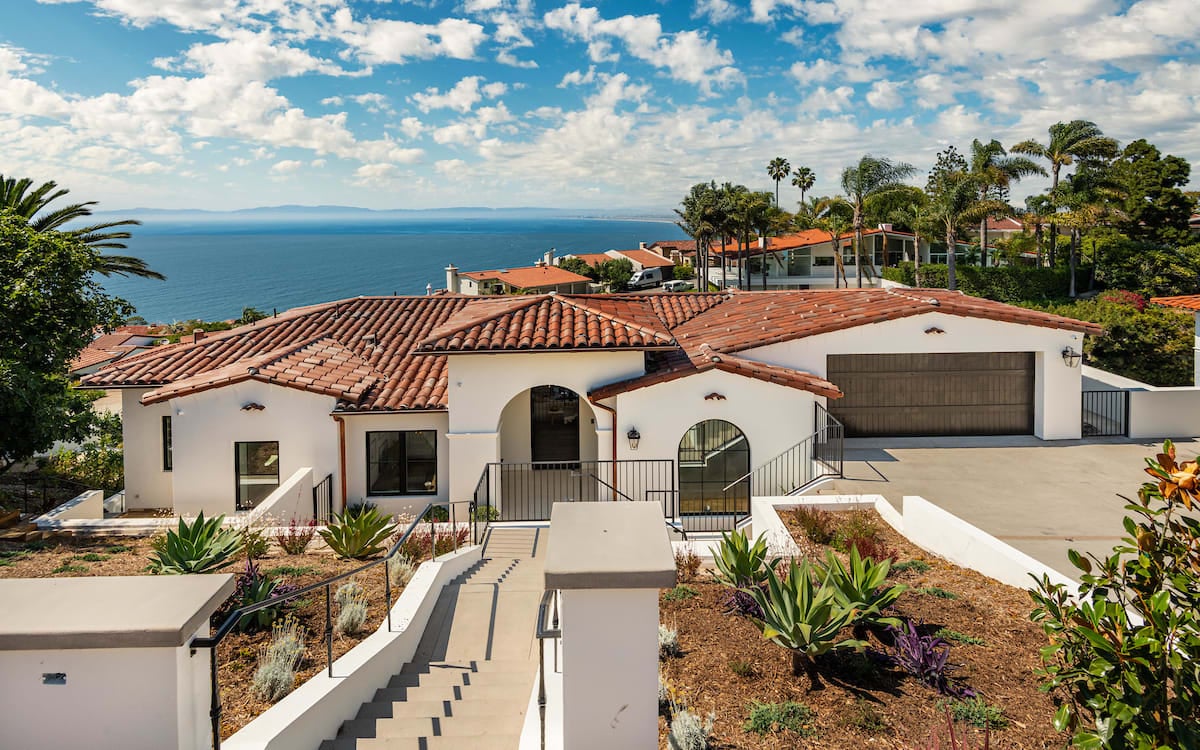
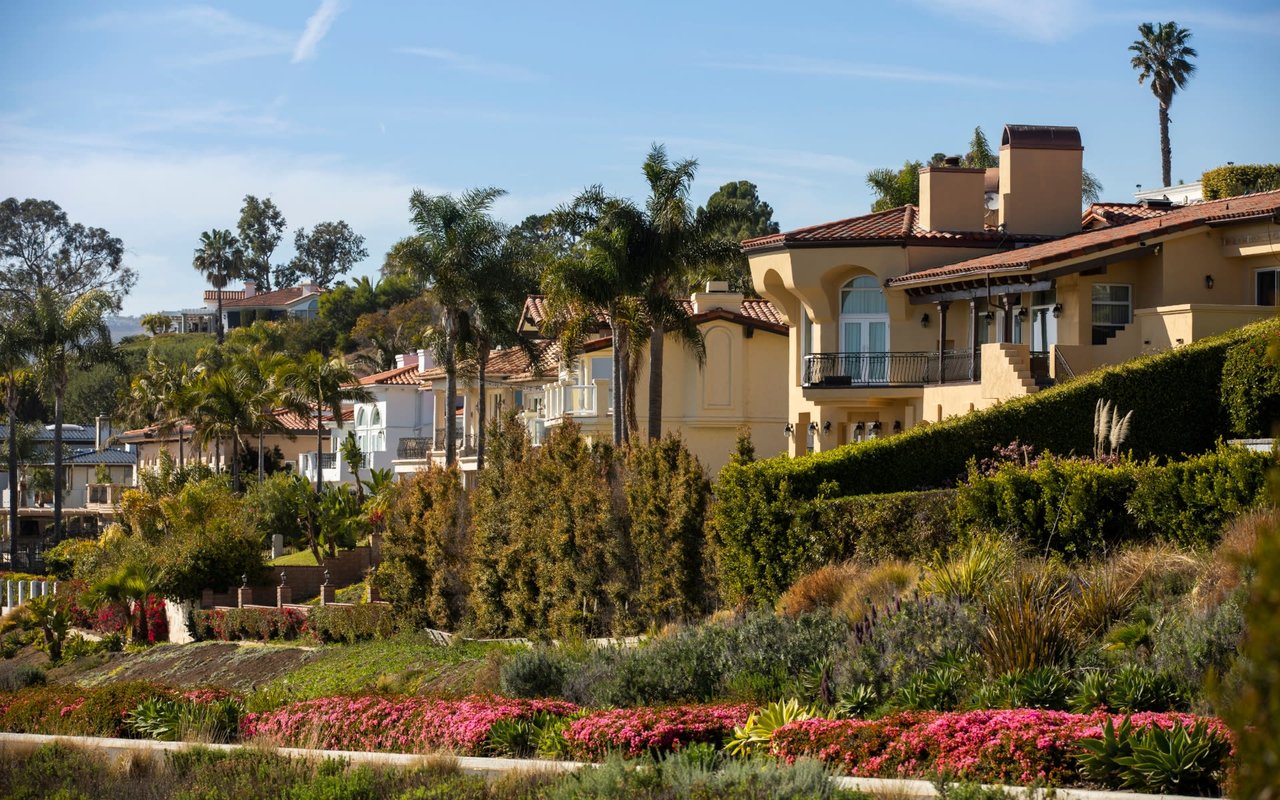
Properties near the western and southern edges may respond to elevation, views, breezes, and sloping lots through their orientation, windows, terraces, and outdoor spaces.

05

Updated and Newer Homes

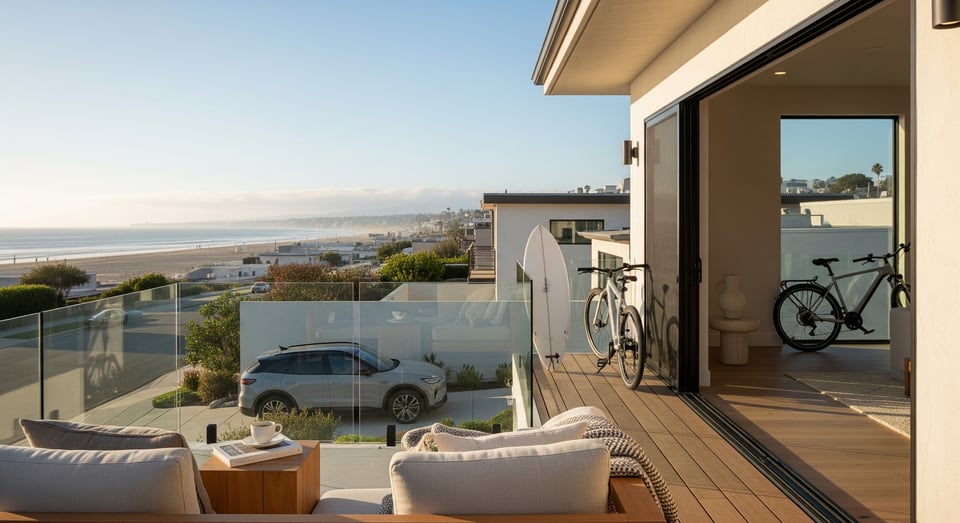
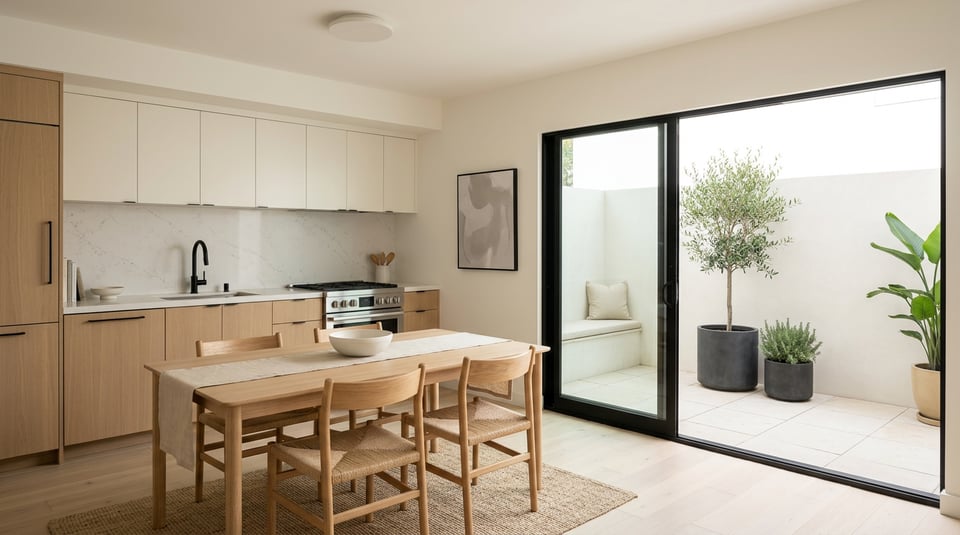
Renovated houses and newer infill may introduce open interiors, modern finishes, flexible spaces, and stronger connections between indoor rooms and outdoor areas.

06

Condos and Townhomes

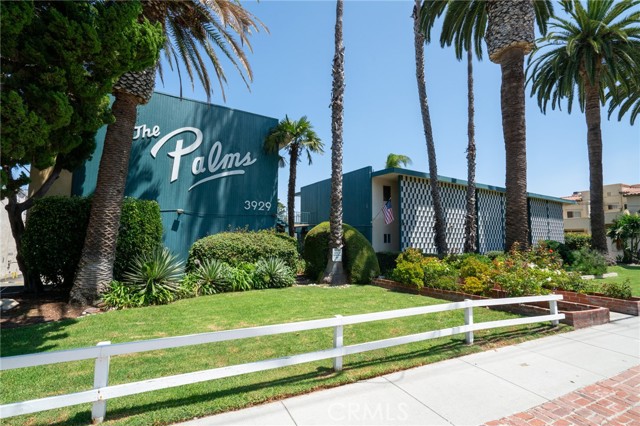
Attached properties provide alternatives to detached homes, particularly near central shopping, western residential corridors, and communities designed around shared amenities.

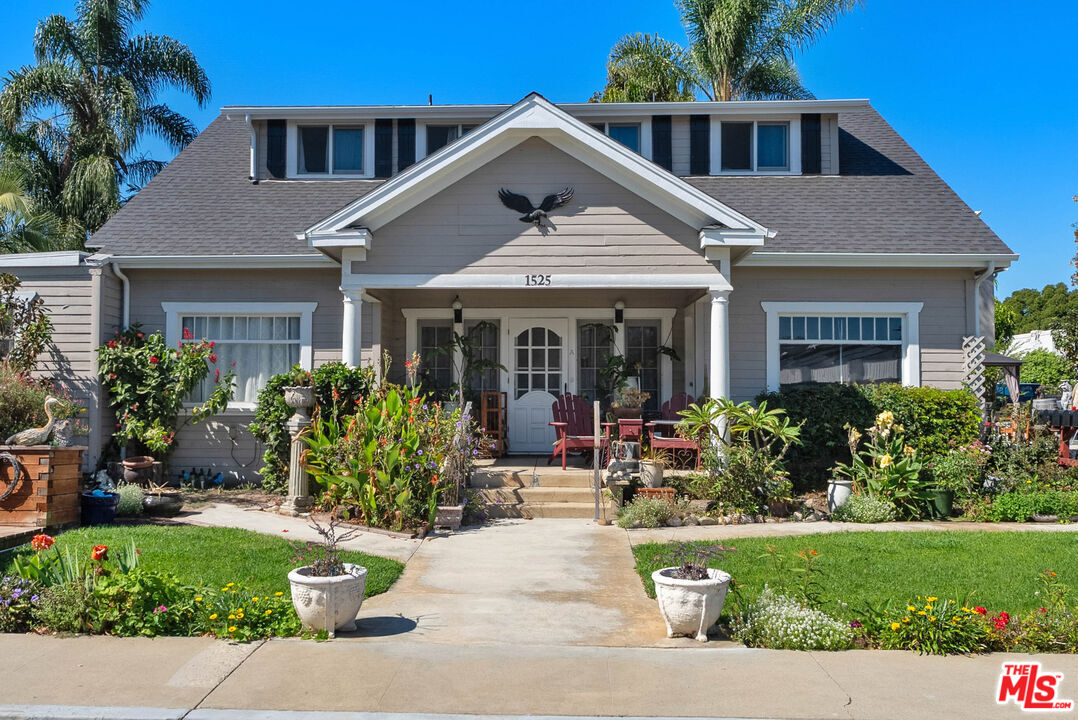
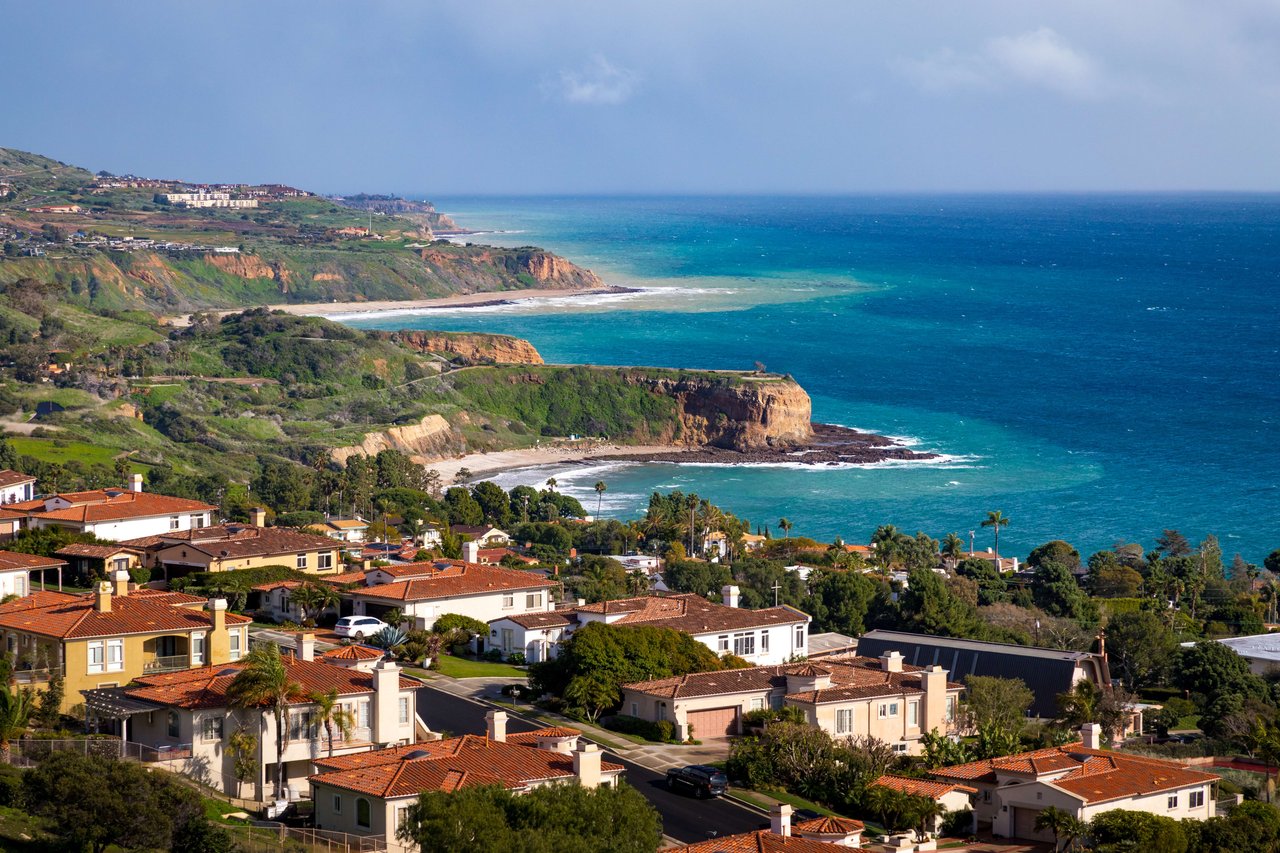
Residential and coastal character in Torrance, California

Coastal Torrance

The City's Western Edge Has Its Own Rhythm

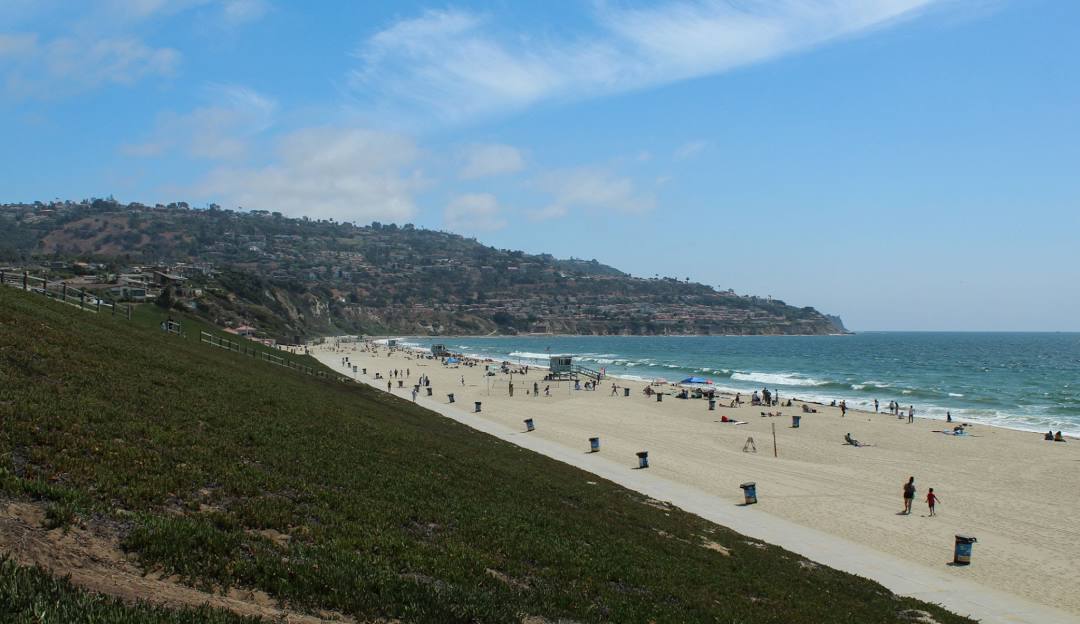
Torrance Beach sits at the southern end of the broad South Bay beach corridor, below the Hollywood Riviera area and immediately north of the Palos Verdes Peninsula. The beach connects with the coastal path leading through Redondo Beach and farther north, yet its position feels more tucked away than the busiest waterfront districts.

Coastal proximity can mean different things across western Torrance. Some homes occupy elevated streets with outlooks toward the ocean or city lights. Others provide a convenient route to the sand without a direct view. South Torrance and Seaside add another layer, placing residents close to the coast while retaining a primarily residential atmosphere.

When comparing properties, buyers can look beyond the distance shown on a map. Elevation, street direction, the route to the beach, access to Pacific Coast Highway, and proximity to Riviera Village can all influence how closely a home feels connected to the coastline.

Explore Torrance's Coastline and Daily Life →

Local Places and Daily Rhythm

Destinations That Give Torrance Its Identity

Torrance has several community anchors rather than one dominant center. Parks, historic streets, natural spaces, shopping, and cultural destinations create different reasons to move through the city.

01

Old Torrance

The original commercial and civic center pairs historic buildings with independent restaurants, cafes, shops, and residential streets. Its scale and architecture provide a distinct contrast to the city's larger commercial districts.

02

Wilson Park

Charles H. Wilson Park is one of the city's primary recreation destinations, with sports facilities, open lawns, community activity, and the Torrance Certified Farmers' Market on scheduled market days.

03

Madrona Marsh Preserve

This urban wetland and nature center introduces a quieter landscape within central Torrance. Walking paths, wildlife habitat, and educational programming make it different from a conventional neighborhood park.

04

Del Amo Fashion Center

Del Amo anchors a major shopping, dining, and entertainment district near the center of the city. The surrounding area also provides access to everyday services and several residential communities.

05

Torrance Cultural Arts Center

The cultural arts campus supports performances, community programs, gardens, and civic gatherings, adding another activity center near central Torrance.

Everyday Life

Outdoor Space, Dining, and Local Conveniences

Torrance supports several versions of a South Bay routine. Residents can spend time near the beach, visit an urban nature preserve, shop in a major commercial district, or settle into a neighborhood restaurant without relying on a single downtown.

01

Beach and Coastal Path

Torrance Beach provides access to the sand, ocean, and the coastal path connecting with neighboring Redondo Beach and the wider shoreline.

02

Parks and Recreation

Wilson Park and smaller neighborhood parks support sports, open-air activities, community events, and everyday time outdoors.

03

Japanese Dining and Markets

Torrance's Japanese restaurants, bakeries, and specialty markets are an important part of its culinary identity and reflect long-standing community connections.

04

Neighborhood Shopping

Old Torrance, Del Amo, Riviera-area destinations, and smaller retail centers give different parts of the city their own convenient gathering places.

Getting Around

Connected Across the South Bay

Torrance's location places the beach cities to the west, the Palos Verdes Peninsula to the south, and freeway and Harbor-area connections to the north and east. The most useful route depends on where within the city a home is located.

01

Across Torrance

Hawthorne Boulevard, Torrance Boulevard, Sepulveda Boulevard, Carson Street, Crenshaw Boulevard, Prairie Avenue, and Western Avenue connect residential areas with local destinations.

02

Regional Routes

Pacific Coast Highway supports movement across southern and western Torrance, while the 405 and 110 freeways provide connections toward greater Los Angeles, Long Beach, and the Harbor region.

03

Torrance Transit

Local transit routes connect Torrance neighborhoods with major destinations and surrounding cities, providing an alternative for selected trips across the South Bay.

Refine Your Preferences

Find Your Torrance Fit

A focused search begins with the part of everyday life that matters most. These preferences can help identify which Torrance neighborhoods deserve a closer look.

01

Choose Coastal or Central

Compare western access to Torrance Beach and the beach cities with central access to shopping, services, parks, and cross-city routes.

02

Match the Streetscape

Decide whether you prefer Old Torrance character, a postwar residential block, a hillside setting, or a centrally located attached community.
03

Select the Home Type

Focus on the space and daily upkeep that fit your plans, from a detached home and private yard to a condo or townhome.
04

Map Your Daily Destinations

Consider the beach, workplace, schools, parks, shopping, and neighboring cities you expect to visit most often.

Continue Exploring

Torrance Buyer Resources

These original Accardo articles provide deeper comparisons of Torrance neighborhoods, daily life, and property types without repeating the information in this community guide.

Common Questions

Torrance Neighborhood FAQs

Clear answers for buyers comparing Torrance neighborhoods, home styles, coastal access, transportation, and current property options.

What are the main neighborhoods and residential areas in Torrance?

Commonly discussed areas include Hollywood Riviera, South Torrance, Southwood, Southwood Riviera, West Torrance, Seaside, Seaside Ranchos, Old Torrance, North Torrance, Central Torrance, the Del Amo area, and Southeast Torrance. Each has a different relationship to the coast, shopping, parks, and regional routes.

How do coastal and inland Torrance neighborhoods differ?

Western and southwestern areas tend to emphasize beach access, ocean breezes, and connections to Redondo Beach and the Palos Verdes Peninsula. Central, northern, and eastern areas often provide more direct access to major shopping, employment districts, and freeway routes.

What types of homes are found in Torrance?

Buyers may encounter historic cottages, postwar ranch homes, mid-century residences, hillside and coastal homes, renovated properties, contemporary infill, condominiums, and townhomes. The mix varies by neighborhood and street.

Which Torrance areas are closest to the beach?

Hollywood Riviera, South Torrance, Southwood Riviera, Seaside, and Seaside Ranchos are among the western and southwestern areas commonly compared for coastal proximity. The route, elevation, and relationship to the shoreline vary by property.

How do residents travel around Torrance and the South Bay?

Major local routes include Pacific Coast Highway, Hawthorne Boulevard, Sepulveda Boulevard, Torrance Boulevard, Carson Street, Crenshaw Boulevard, Prairie Avenue, and Western Avenue. The 405 and 110 provide regional connections, and Torrance Transit serves local and nearby destinations.

Where can buyers view current Torrance listings?

Current properties appear in the listing section already included on this page. Buyers can also use the complete Torrance property search to compare available homes by location, home type, and preferred features.

Your Torrance Search

Explore the Neighborhood That Fits Your Priorities

Whether you are drawn to coastal Hollywood Riviera, established South Torrance streets, the character of Old Torrance, or the convenience of a central location, Accardo Real Estate can help you compare the city's distinct residential settings.


Overview for Torrance, California, CA

143,499 people live in Torrance, California, where the median age is 43.1 and the average individual income is $57,392. Data provided by the U.S. Census Bureau.

143,499

Total Population

43.1 years

Median Age

High

Population Density Population Density This is the number of people per square mile in a neighborhood.

$57,392

Average individual Income

Around Torrance, California, CA

There's plenty to do around Torrance, California, including shopping, dining, nightlife, parks, and more. Data provided by Walk Score and Yelp.

81
Very Walkable
Walking Score
55
Bikeable
Bike Score
43
Some Transit
Transit Score

Points of Interest

Explore popular things to do in the area, including Kenkou, Chevron, and Jbentobox.

Name Category Distance Reviews
Ratings by Yelp
Dining 0.73 miles 0 reviews 0/5 stars
Dining 0.76 miles 16 reviews 1.9/5 stars
Dining 0.78 miles 0 reviews 0/5 stars
Shopping 0.37 miles 0 reviews 0/5 stars
Shopping 0.43 miles 8 reviews 1.5/5 stars
Shopping 0.47 miles 26 reviews 3.7/5 stars

Demographics and Employment Data for Torrance, California, CA

Torrance, California has 55,317 households, with an average household size of 2.56. Data provided by the U.S. Census Bureau. Here’s what the people living in Torrance, California do for work — and how long it takes them to get there. Data provided by the U.S. Census Bureau. 143,499 people call Torrance, California home. The population density is 6,994 and the largest age group is Data provided by the U.S. Census Bureau.

143,499

Total Population

High

Population Density Population Density This is the number of people per square mile in a neighborhood.

43.1 years

Median Age

50 / 50%

Men vs Women

Population by Age Group

0-9:

0-9 Years

10-17:

10-17 Years

18-24:

18-24 Years

25-64:

25-64 Years

65-74:

65-74 Years

75+:

75+ Years

Education Level

  • Less Than 9th Grade
  • High School Degree
  • Associate Degree
  • Bachelor Degree
  • Graduate Degree
55,317

Total Households

2.56

Average Household Size

$57,392

Average individual Income

Households with Children

With Children:

Without Children:

Marital Status

Married
Single
Divorced
Separated

Blue vs White Collar Workers

Blue Collar:

White Collar:

Commute Time

0 to 14 Minutes
15 to 29 Minutes
30 to 59 Minutes
60+ Minutes

Schools in Torrance, California, CA

All ()
Primary Schools ()
Middle Schools ()
High Schools ()
Mixed Schools ()
The following schools are within or nearby Torrance, California. The rating and statistics can serve as a starting point to make baseline comparisons on the right schools for your family. Data provided by the U.S. Census Bureau.
Type
Name
Category
Grades
School rating
Search Homes

Work With Us

Tony and his team set out to be not just the best possible realtors but also trusted resources. Their experience goes well beyond their years as South Bay's top-producing Realtors®.