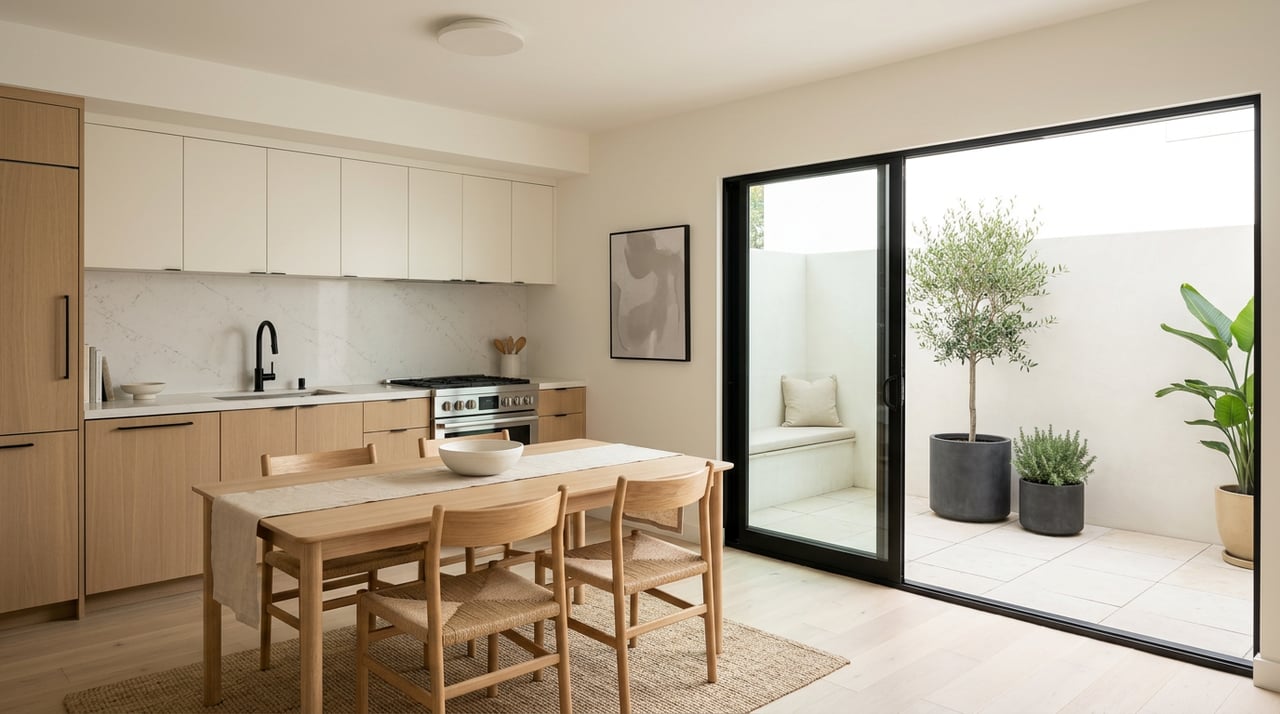
Townhome Or House In Torrance? How To Decide
March 5, 2026
March 5, 2026
Trying to choose between a townhome and a detached house in Torrance? You are not alone. Buyers here often balance budget, space, maintenance, and long-term value as they weigh the options. In this guide, you will learn how each property type performs on price, HOA rules, upkeep, financing, insurance, and resale in Torrance.
Public market snapshots in early 2026 place Torrance’s overall median near the mid $1M range. Detached single-family homes typically trade higher than townhomes and condos. In many neighborhoods you will find townhomes listed under $1M, while detached homes often sit in the $1.0M–$1.6M band depending on lot size, condition, and proximity to the beach. Actual numbers vary month to month, so use fresh comps when you are ready to write an offer.
Many Torrance townhomes and condos are in homeowners associations. Monthly dues vary based on age, amenities, and what the HOA covers. Local listings commonly show dues from under $200 to $600+ per month. Amenity-rich communities and larger complexes often sit toward the higher end of that range.
The exact split between what the HOA maintains and what you maintain depends on the CC&Rs and the association’s governing documents. Under California’s common-interest rules, associations typically handle common areas while owners handle their units, but you should verify the details in the documents for the community you are buying into. For a plain-English overview of owner versus HOA duties, review this legal summary on association maintenance responsibilities and liabilities: condo and HOA maintenance basics.
Before removing contingencies, ask for the full resale packet: CC&Rs, bylaws, operating budget, recent financials, reserve study or reserve summary, meeting minutes, rules and regulations, any litigation disclosures, and the estoppel or resale certificate showing fees and assessments. California associations are required to provide these disclosures, and you should read them closely. Red flags include low reserves, repeated special assessments, high owner delinquencies, or pending litigation. For context on reserve and disclosure practices under Davis-Stirling, see this resource on HOA governance and disclosures.
Most detached homes in Torrance do not have HOA dues. You control exterior decisions and typically enjoy more private space. Many lots in Torrance neighborhoods fall in the roughly 4,000–8,000 square foot range, which can allow room for patios, play areas, gardens, or future improvements where zoning permits.
You will also handle more upkeep directly. A common budgeting guide is to set aside about 1 percent of the home’s value per year for maintenance, with 1–3 percent often recommended for older homes or those with deferred items. Learn more about the 1–3 percent rule here: home maintenance budgeting guide.
Think of your monthly cost as mortgage + property taxes + insurance + HOA (if any) + optional earthquake coverage in California.
Ask your lender to run side-by-side scenarios with and without HOA dues. Seeing payment options in writing helps you compare apples to apples.
Condo and townhome projects can carry extra financing rules. FHA, VA, and some conventional lenders require project-level eligibility. Common issues include low owner-occupancy, high delinquency rates, inadequate reserves, or active litigation. If a project is not approved, it can limit loan options for some buyers, which may impact marketability when you resell. For FHA basics, start with official guidance at HUD Single-Family and an overview of FHA condo approval factors.
Detached homes are not subject to condo project approvals. That usually means a broader buyer pool and fewer lender-driven delays, which can help both your purchase and your eventual sale.
Important California note: standard homeowners and HO-6 policies do not cover earthquake damage. Separate earthquake coverage through the California Earthquake Authority or private carriers can add several hundred to a few thousand dollars per year depending on coverage and home value. For context, see this overview of earthquake insurance costs in California.
Resale is highly local in Torrance. Factors that often shape value include proximity to job centers and the beach, neighborhood amenities, and school assignments. If schools are part of your decision, review public information and confirm attendance boundaries directly with the district. You can also browse non-district resources like GreatSchools’ Torrance pages for general context. Use neutral data and your own priorities to guide the choice that fits your household.
Most established Torrance neighborhoods do not have Mello-Roos community facility district taxes, though new or master-planned areas in greater Los Angeles sometimes do. To understand how special taxes are structured in Torrance, review the Torrance Municipal Code and ask your escrow officer to confirm the current tax bill for any property you are considering.
Use this quick lens to clarify your best fit:
If you want help comparing live options and running true cost-of-ownership scenarios, our team can guide you through the details and pull neighborhood-specific comps in real time.
Ready to narrow your choice in Torrance? Connect with Accardo Real Estate Associates for a complimentary market consultation. We will align your budget, lifestyle goals, and long-term plan with the right property type and neighborhood.
Stay up to date on the latest real estate trends.
How strategic pricing, thoughtful property improvements, professional staging, and targeted marketing helped turn a Palos Verdes Estates home into a multiple-offer suc… Read more
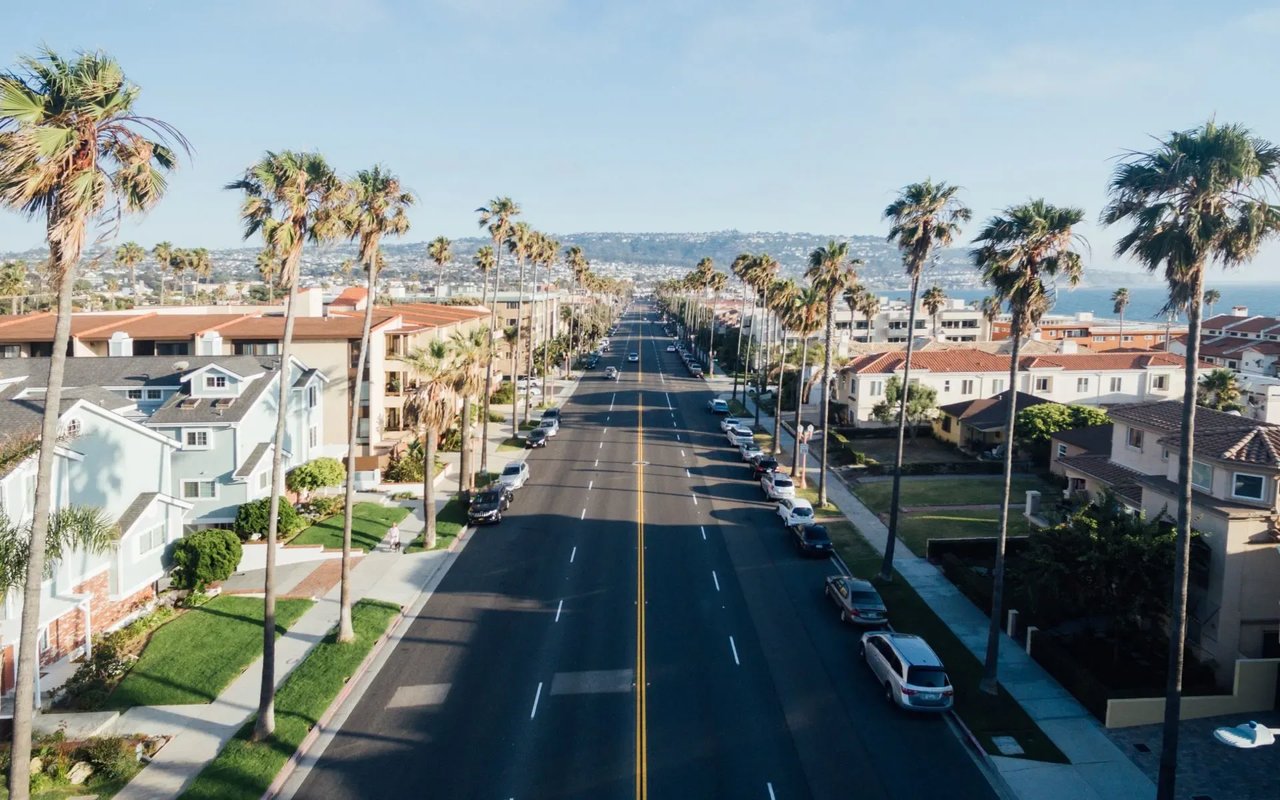
Hollywood Riviera History | Torrance & Redondo Beach

Real Estate
Thinking of buying or selling in the South Bay before the holidays? Explore mortgage rates, local market trends, and expert advice for your next move.

South Bay
Football season is officially back, and sometimes watching from the couch just doesn’t cut it. Whether you’re looking for wall-to-wall TVs, a packed game-day crowd, w… Read more
Tony and his team set out to be not just the best possible realtors but also trusted resources. Their experience goes well beyond their years as South Bay's top-producing Realtors®.
Thinking of buying or selling in the South Bay? Our team specializes in strategic home preparation, elevated marketing, and expert negotiation designed to maximize your home’s value. Call or Text 310.855.3557 to start the conversation.
Palos Verdes Office:
550 Silver Spur Road, Suite 110
Rancho Palos Verdes, CA 90274
Hermosa Beach Office