Buying An Equestrian Home In Rolling Hills Estates
March 12, 2026
March 12, 2026
Picture this: you tack up at home, walk through your back gate, and you are on a bridle trail in minutes. If you love riding and want daily access without loading a trailer, Rolling Hills Estates is one of Southern California’s rare communities built around an equestrian lifestyle. In this guide, you’ll learn how the city supports horsekeeping, what rules and permits to expect, and the practical features to look for in a horse property. You’ll also get a due diligence checklist to help you buy with confidence.
Rolling Hills Estates was designed with horses in mind. The city maintains public riding rings, operates a municipal stable, and preserves an expansive bridle-trail system across the Palos Verdes Peninsula.
The city’s equestrian program highlights preservation, public rings, and rider guidance. Explore the program overview to understand how the city supports horsekeeping and trail use through maintenance and education in the official equestrian program.
Trail access is a significant advantage here. City materials and regional plans describe roughly 20 to 25 or more miles of bridle trails across the Peninsula, including both city-maintained routes and private or trust-managed segments. Review current maps and guidelines on the equestrian and bike trails page before you ride.
Even if you plan to keep horses at home, it helps to have nearby boarding and lesson options. The city’s concession-operated facility, the Peter Weber Equestrian Center, serves as a public stable and demonstration site for best practices. Regional planning documents also note other established facilities and clubs on the Peninsula. For the latest availability and services, reach out to each stable directly.
Local volunteer groups, including the Palos Verdes Peninsula Horsemens Association, share trail guides and community updates that are handy as you learn the area. Get oriented through the PVPHA’s resources.
Before you fall in love with a property, confirm what the lot allows. In Rolling Hills Estates, a city-level Horse Overlay identifies areas where horsekeeping is permitted and prioritized.
The city’s General Plan and Housing Element identify where the Horse Overlay applies and how it ties to zoning. Always verify two items for any parcel you are considering: the base zoning district and whether it lies inside the Horse Overlay. Start with the city’s published planning materials to confirm overlay context and parcel-level rules noted in the General Plan and Housing Element.
Overlay status signals that horsekeeping is broadly supported, but it does not override recorded covenants, setbacks, or specific site-improvement requirements.
Many neighborhoods are governed by recorded CC&Rs and architectural committees. These private rules can be stricter than city code, affecting everything from barn design to fencing materials. Obtain and review CC&Rs early in your search. If you plan any new structures, expect to submit to architectural review in addition to city permitting.
When you keep multiple horses at home, county health rules may apply. Understanding thresholds and inspection routines will help you plan stable size and operations.
Los Angeles County Public Health requires a license for properties with 5 or more horses, or facilities with 10 or more mixed livestock. Licensed facilities are inspected every six months, and new stable developments may need county health clearance before grading or building permits. These thresholds and procedures are explained in the regional water quality plan. If you are planning a larger private stable or any boarding activity, treat this as a firm requirement.
Rolling Hills Estates enforces weekly manure removal and requires that manure be stored in designed enclosed containers. The city also contracts for or offers manure hauling and tracks compliance. Expect plan review to address wash-rack drainage, runoff control, and stable-surface design, particularly to protect hillside drainage and Machado Lake water quality. You can see how these practices fit into local policy in the regional water quality plan.
City code limits impervious coverage on residential lots. Stable access-ways are expected to be permeable where feasible, and many arena projects trigger drainage controls or grading permits. Discuss your plans with City Planning and Public Works early, especially if you anticipate grading or adding significant surfacing. The regional plan summarizes the rationale for permeable access and slope-sensitive design.
Much of the Palos Verdes Peninsula is mapped as a State Very High Fire Hazard Severity Zone. Rolling Hills Estates posts annual brush-clearance notices, with inspections coordinated through LA County Fire. Plan for defensible-space maintenance each year and confirm inspection history during escrow. Learn about requirements on the city’s brush clearance page.
Not every parcel marketed as a “horse property” offers the same functionality. As you tour homes, evaluate infrastructure with an equine lens and confirm where upgrades would require permits or approvals.
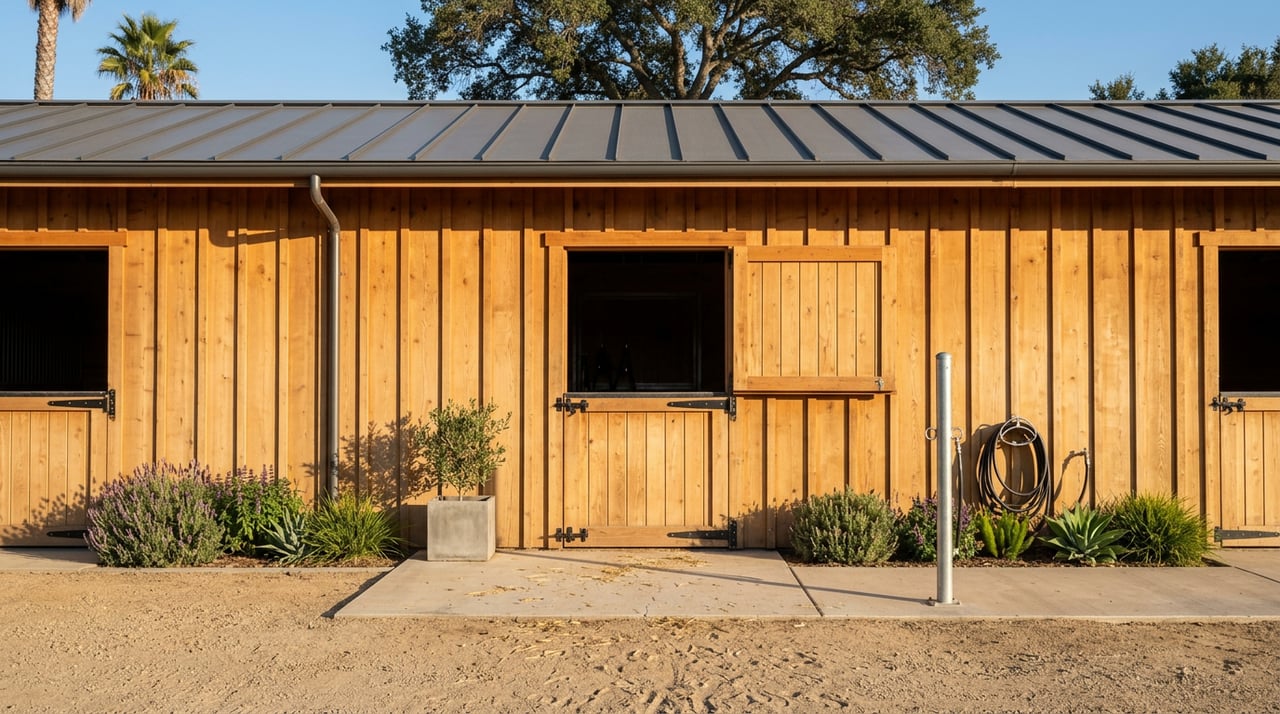
Well-planned barns usually include box stalls, a tack room, a feed room, secure hay storage, a wash rack, and space for equipment. Many owners consider 12-by-12-foot stalls a common minimum for average riding horses, with larger sizes for bigger breeds or mares with foals. Look for good ventilation, safe non-slip flooring, clear fire separation between hay and electrical, and protected feed storage. For a helpful design overview, see this summary of key horse-barn features.
Wash water should be contained and routed appropriately. Where sewer is available, connecting wash racks to the sanitary sewer is preferred. Septic systems are not typically designed for wash water without special engineering. If a barn includes plumbing or a caretaker’s space, factor that into septic capacity or sewer connections. A practical reference is Malibu’s equine best practices manual, which outlines wash-water handling and similar considerations common to coastal hillside communities.
Arena size depends on how you ride. For reference, dressage arenas are commonly 20 meters by 40 meters or 20 meters by 60 meters. Jumping or multi-discipline layouts require more space. Always confirm whether proposed arenas need grading permits, drainage plans, or stormwater treatment. For basic dimensions and planning context, review standard dressage arena sizes.
Walk the paddocks after rain if possible to check footing, drainage, and how water moves across slopes. Safe, horse-appropriate fencing is essential, along with cross-fencing to manage turnout. Confirm driveway width and turning radii for trailers and hay delivery, and prefer permeable access surfaces over paving near barns. Many of these expectations are echoed in the regional water quality plan, which emphasizes erosion control and runoff management.
Rolling Hills Estates maintains city trails that connect through the Peninsula, but some nearby gated communities and private associations operate their own systems with membership or trail-badge rules. If riding outside city-maintained routes is important to you, confirm where access is public and where it is private. For context, Rolling Hills’ association trail system outlines separate rules for non-residents on its bridle trails page. Local organizations like PVPHA are also helpful for current maps and etiquette.
Use this list to streamline your search and protect your investment:
Buying an equestrian home in Rolling Hills Estates is about more than acreage. The best outcomes come from matching the right parcel to your riding goals, confirming permissions early, and understanding how trails, health rules, and stormwater practices shape day-to-day horsekeeping. With the city’s strong equestrian infrastructure and a connected local network, you can create a smooth, sustainable setup that lets you ride often and manage your property with confidence.
If you are exploring horse properties on the Palos Verdes Peninsula and want guidance tailored to your goals, reach out to the local team that combines neighborhood expertise with white-glove service. Connect with Accardo Real Estate Associates to start your search.
Stay up to date on the latest real estate trends.
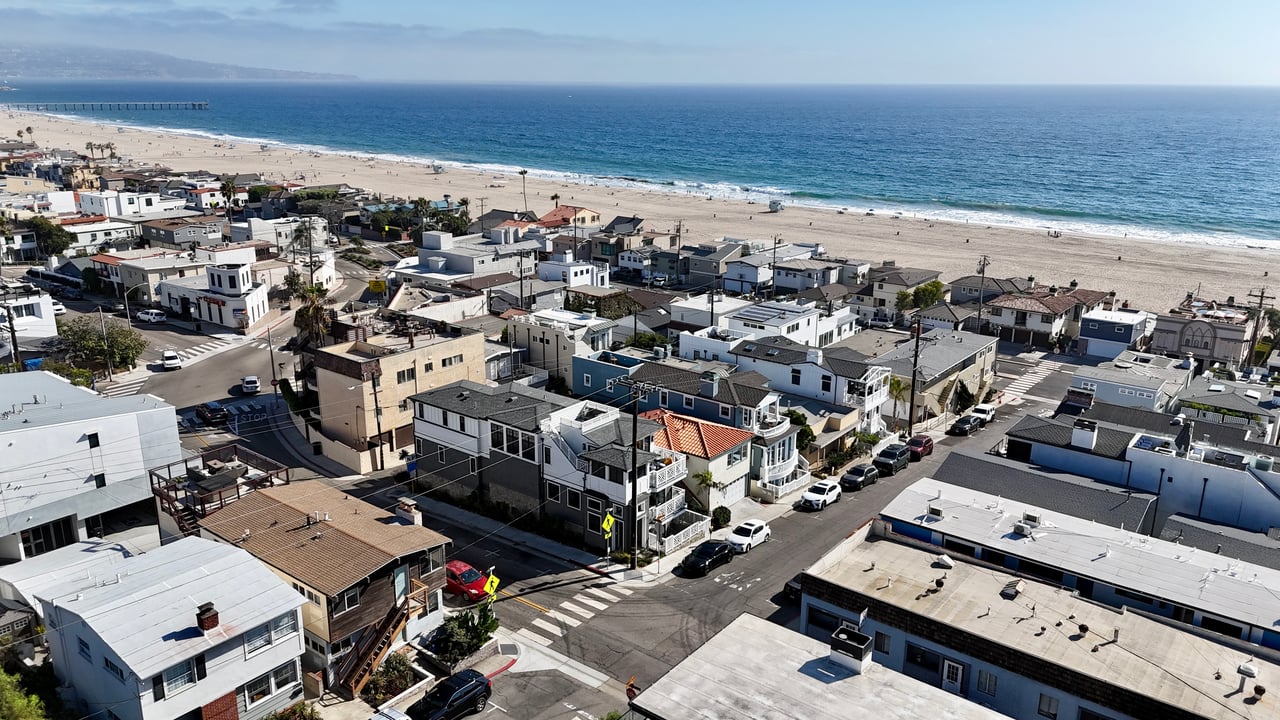
Explore two unique South Bay real estate opportunities in Manhattan Beach and Hermosa Beach offering rental income, valuable locations and long-term investment potenti… Read more
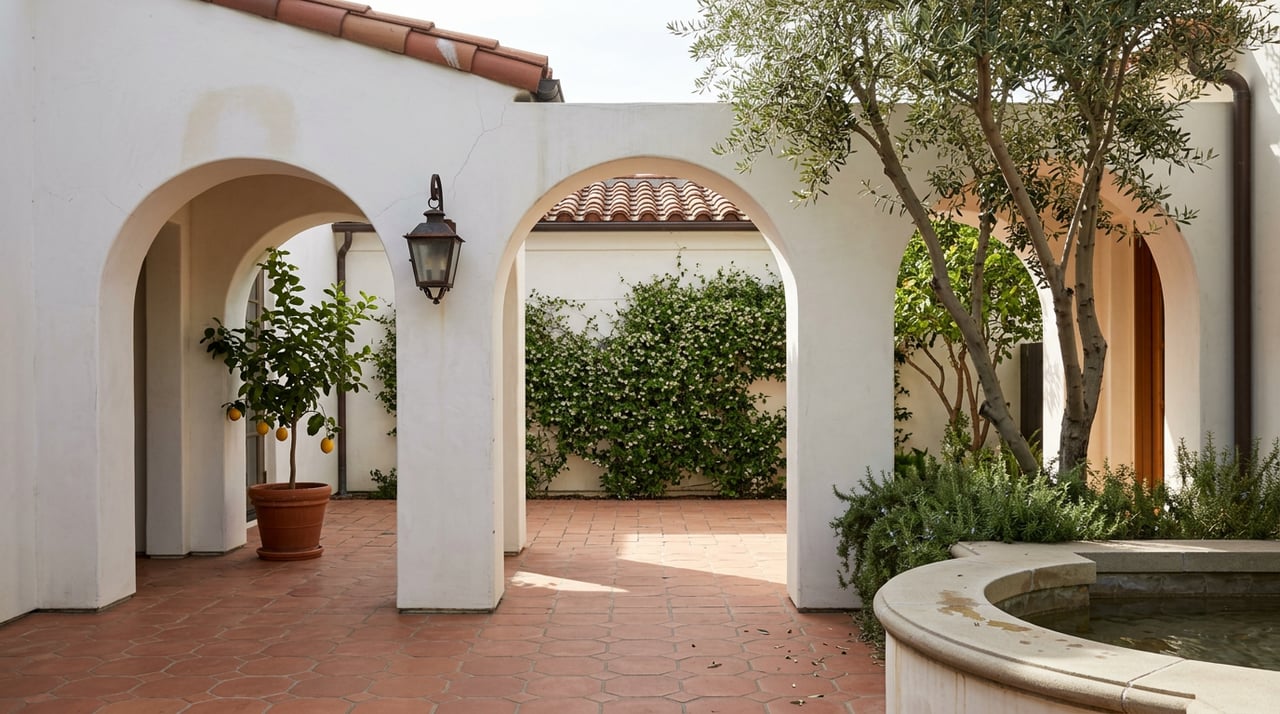
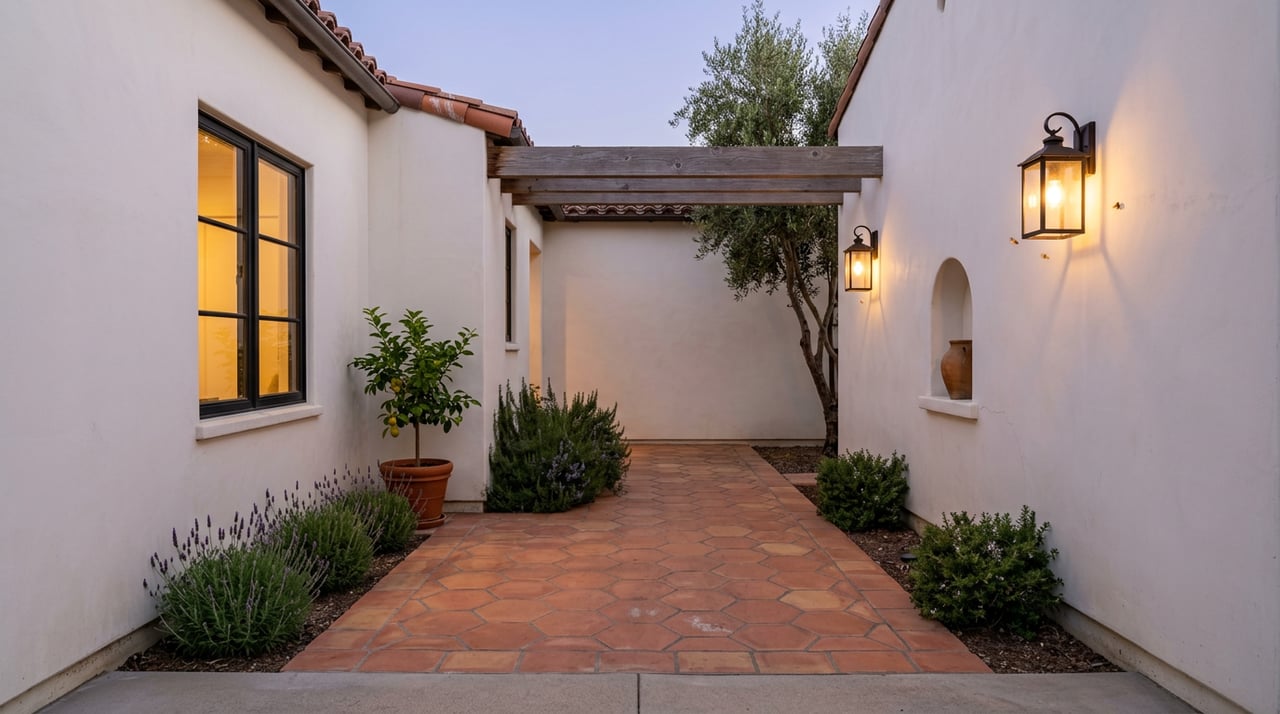
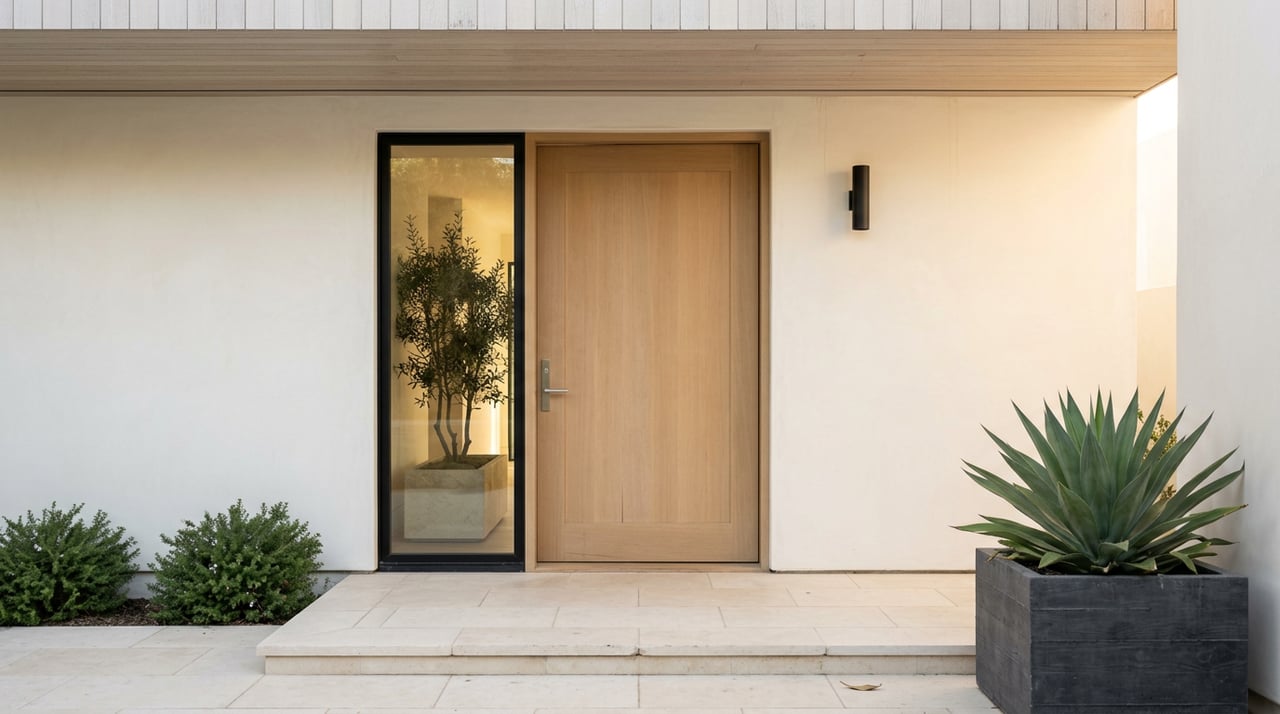
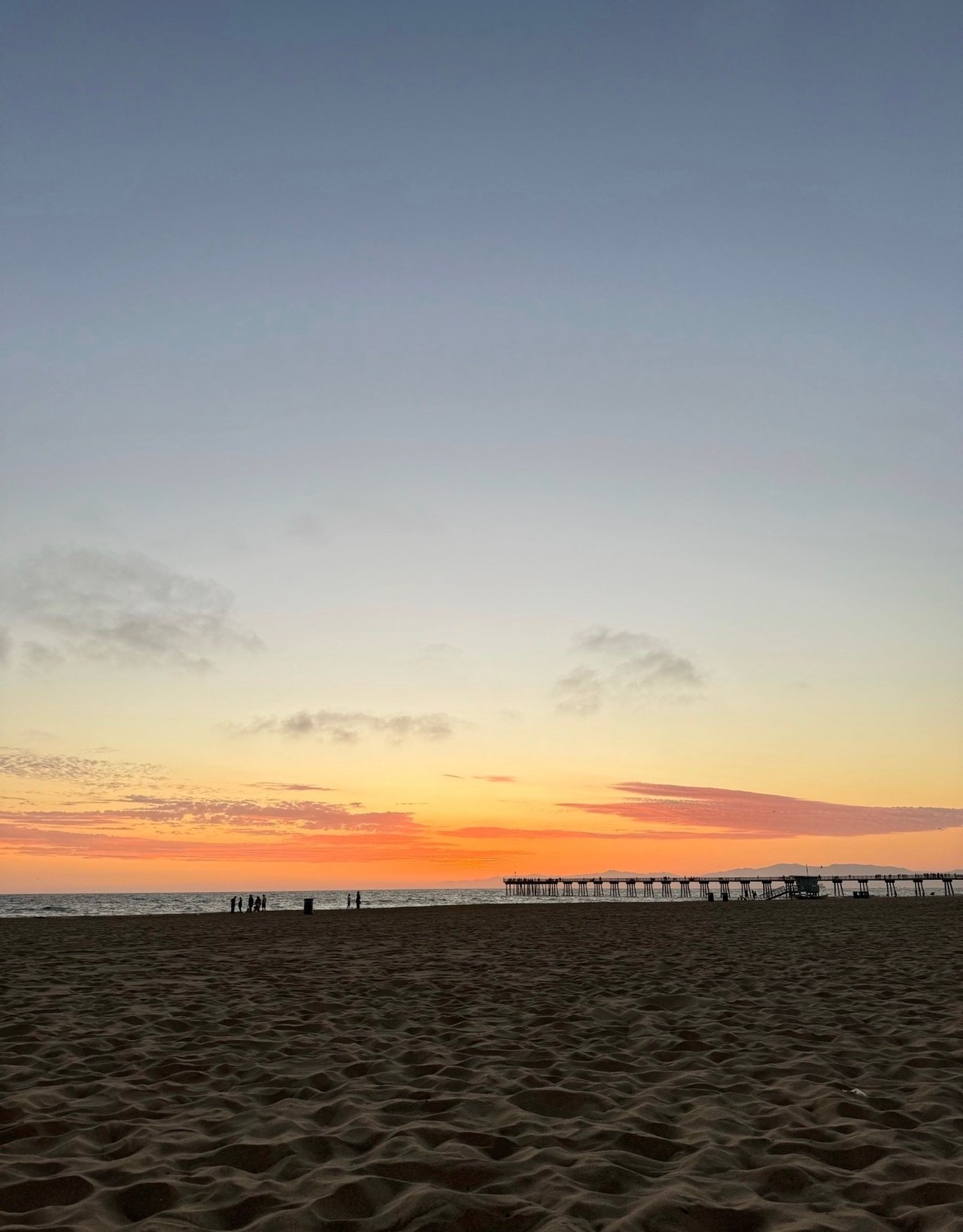
Summer may be winding down, but there's still plenty of time to discover something new around the South Bay.

Looking for the perfect spot for cocktails before dinner or somewhere to celebrate a special occasion? These are the places we find ourselves recommending over and ove… Read more
If you're thinking about selling your home, you've probably asked yourself one question before anything else:
Tony and his team set out to be not just the best possible realtors but also trusted resources. Their experience goes well beyond their years as South Bay's top-producing Realtors®.
Thinking of buying or selling in the South Bay? Our team specializes in strategic home preparation, elevated marketing, and expert negotiation designed to maximize your home’s value. Call or Text 310.855.3557 to start the conversation.
Palos Verdes Office:
550 Silver Spur Road, Suite 110
Rancho Palos Verdes, CA 90274
Hermosa Beach Office