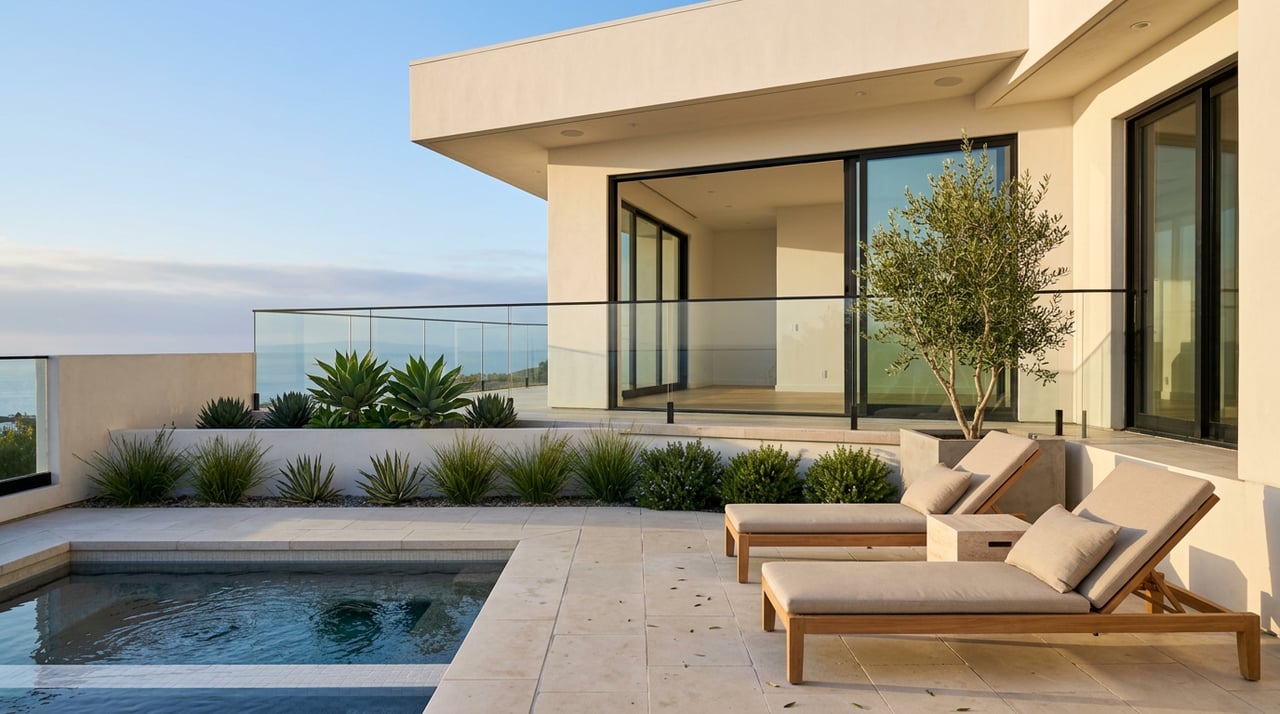
How To Shop For A View Home In Palos Verdes Estates
March 24, 2026
March 24, 2026
You want that daily moment when the ocean catches the light just right or the “Queen’s Necklace” glows across the bay at dusk. In Palos Verdes Estates, view homes deliver those scenes, but the best ones move fast and come with unique due diligence. In this guide, you’ll learn how to read the hillside, compare view types, check permits and geology, and build a strong, protected offer.
Prices in 90274 sit in the multi‑million range, with limited inventory and longer days on market compared to more active urban areas. Recent portal snapshots show a median sale price around the low‑to‑mid 2 millions and median listing prices in the upper 2 millions. Because each high‑end sale can swing the numbers, expect volatility from month to month.
What that means for you: exceptional view properties can set the tone for headlines and medians. Use portal trends for context, then anchor your price decisions to an MLS‑based comp set tailored to the exact micro‑neighborhood and view quality. This is especially important when you’re evaluating a view premium.
Two factors define your view: how high you sit and how close you are to the water or bluff. The Peninsula rises quickly from sea level into hillside neighborhoods, creating layered vantage points. You can confirm the area’s high‑relief topography using resources like the Palos Verdes Estates topo view.
In practical terms, homes closer to the bluff often capture direct ocean and whitewater. Homes higher on the hills trade some closeness for wider panoramas that can include coastline arcs, city lights, and even Catalina on clear days.
Orientation shapes what you see and when. West and southwest exposures are prized for dramatic sunsets and ocean color shifts late in the day. Southern exposures can pull in Catalina and open‑ocean views throughout the afternoon. The famous evening arc of coastline lights, often called the “Queen’s Necklace,” becomes most vivid at dusk and early night.
Photos rarely tell the full story. Visit at dusk to see how the coastline lights and ocean color evolve. Stand in the main living areas and on patios to confirm sightlines, and take short videos. If you cannot tour at the right time, ask for dusk photos or a quick video walk‑through focused on the view corridors.
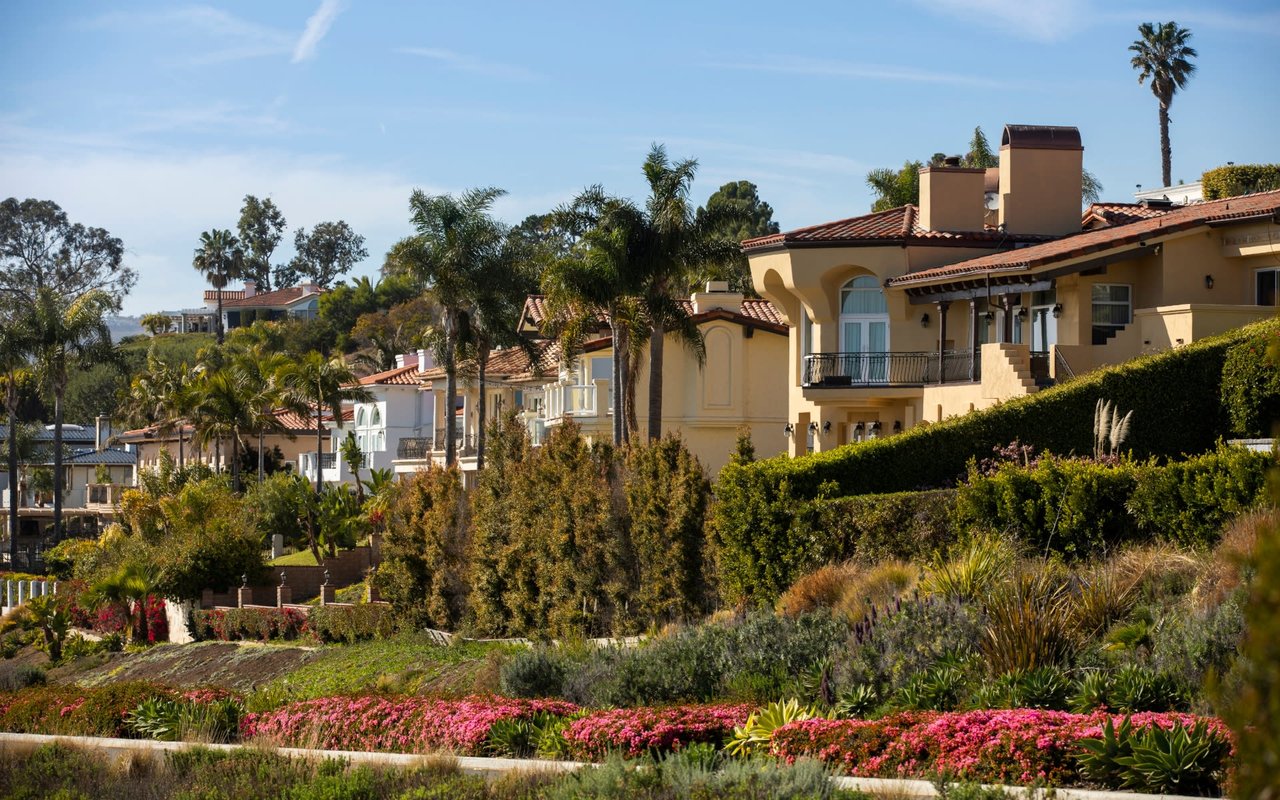
These central hillside pockets often deliver sweeping coastline and city‑light panoramas. Lots positioned to the south and southwest are more likely to capture the full evening arc. Many streets here sit above neighboring roofs, which can help preserve long sightlines.
Lower Lunada, near Paseo del Mar, puts you closer to the surf for more immediate ocean and occasional whitewater views. Upper Lunada and adjacent ridges trade that closeness for wider panoramas, adding more coastline and potential Catalina backdrops. Street‑by‑street elevation changes mean two nearby homes can have very different outlooks.
These homes sit near the bluff line and often command direct ocean views. They can also carry stricter permitting and engineering requirements for additions or major exterior work. If you plan post‑close improvements, factor in added time for permits and reports.
Parcels along interior ridges or near golf corridors can offer partial ocean, city, or mountain views, often with more usable flat yard space. These lots may be more straightforward for typical remodels, though every project still requires the standard local approvals.
Academic research shows that water views add meaningful value, but the premium varies by market, distance, and scope. Hedonic studies have found sizable percentage increases for full water views compared to similar non‑view homes, and these premiums change with the housing cycle. In practice, local observations in Palos Verdes often frame dramatic, unobstructed views as commanding a notable premium over comparable properties without those views.
Your takeaway: treat view premiums as a range, not a single number. Evaluate scope (full ocean vs partial), elevation, orientation, and whether the view is protected by topography or easements. Then compare to recent MLS sales that share the same view profile before finalizing price.
Buying on a bluff or hillside comes with specific reviews. Build these checks into your timeline and contingencies.
Use this framework to run a confident, efficient search while protecting your upside.
Use this quick list while you tour.
Ready to zero in on the right view and make a strong, protected offer? Connect with Accardo Real Estate Associates to request a complimentary market consultation.
Stay up to date on the latest real estate trends.
How strategic pricing, thoughtful property improvements, professional staging, and targeted marketing helped turn a Palos Verdes Estates home into a multiple-offer suc… Read more
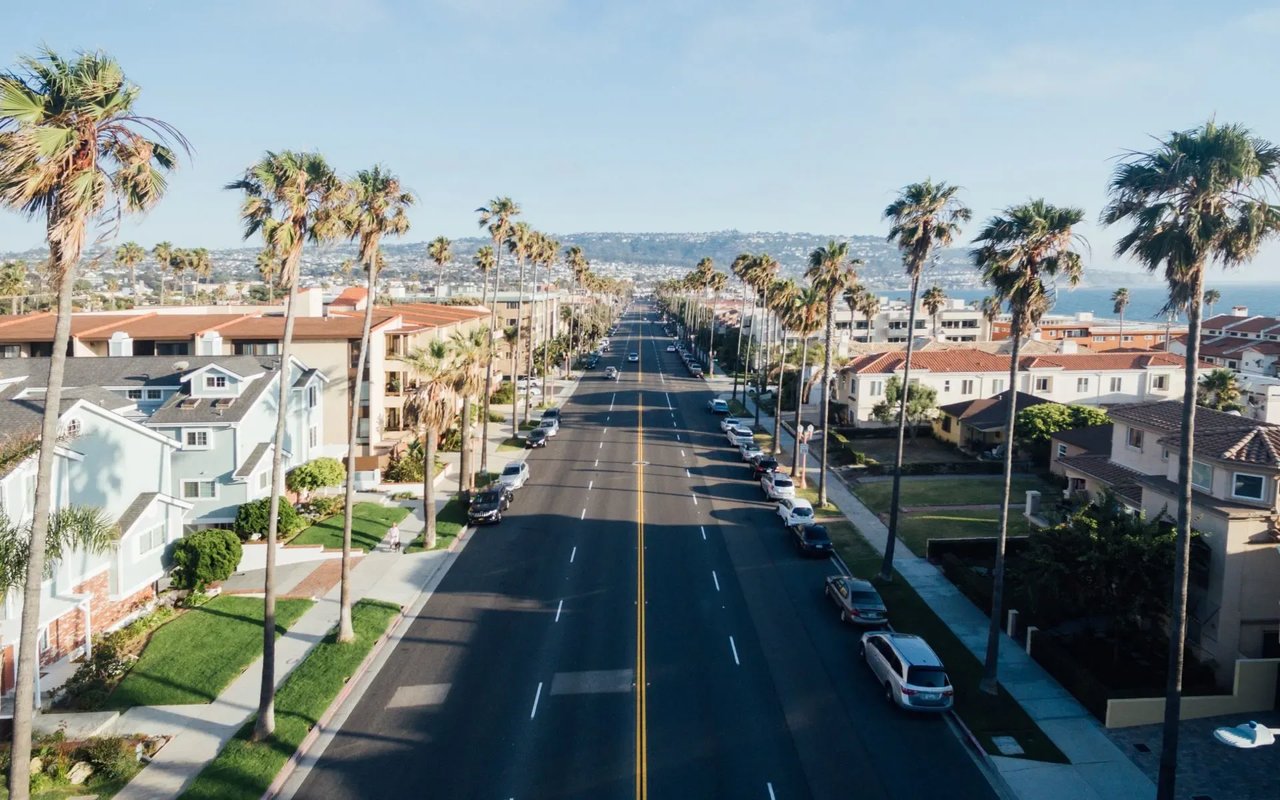
Hollywood Riviera History | Torrance & Redondo Beach
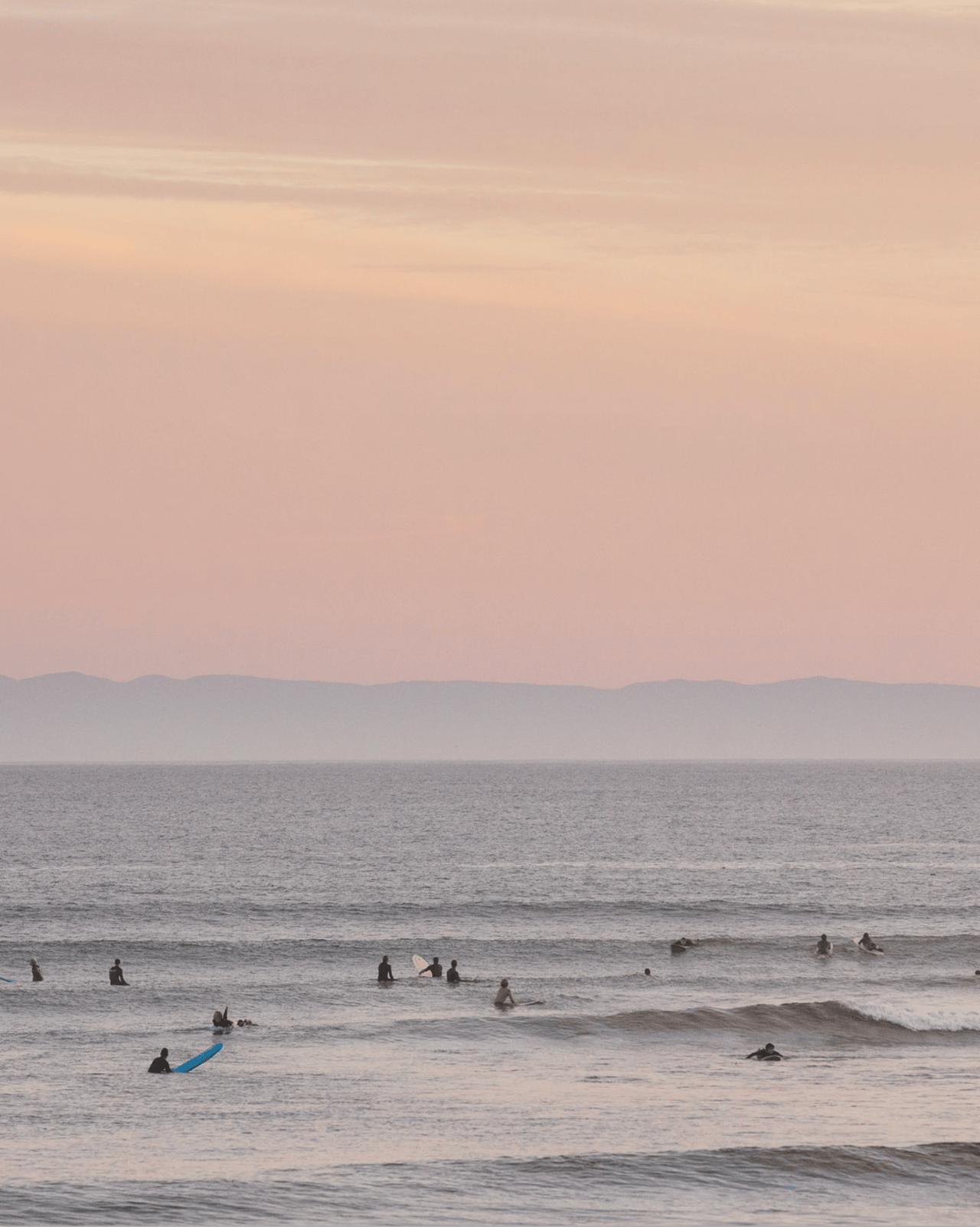
Real Estate
Thinking of buying or selling in the South Bay before the holidays? Explore mortgage rates, local market trends, and expert advice for your next move.

South Bay
Football season is officially back, and sometimes watching from the couch just doesn’t cut it. Whether you’re looking for wall-to-wall TVs, a packed game-day crowd, w… Read more
Tony and his team set out to be not just the best possible realtors but also trusted resources. Their experience goes well beyond their years as South Bay's top-producing Realtors®.
Thinking of buying or selling in the South Bay? Our team specializes in strategic home preparation, elevated marketing, and expert negotiation designed to maximize your home’s value. Call or Text 310.855.3557 to start the conversation.
Palos Verdes Office:
550 Silver Spur Road, Suite 110
Rancho Palos Verdes, CA 90274
Hermosa Beach Office