Sand, Tree, Or Hill? Decoding Manhattan Beach Areas
February 12, 2026
February 12, 2026
Trying to choose between Sand, Tree, or Hill in Manhattan Beach? You are not alone. These three sections each deliver a distinct coastal lifestyle, and the details matter when you are investing in 90266. In this guide, you will learn how the sections differ on access, lots, architecture, permitting, and long‑term risk so you can match a neighborhood to your goals with confidence. Let’s dive in.
“Sand,” “Tree,” and “Hill” are informal neighborhood names used by residents and on the MLS. Boundaries are approximate, and street‑by‑street features can shift quickly. If you plan to analyze sales or write an offer, verify your exact block and zoning with the City of Manhattan Beach and parcel data. The city’s Planning Division is the authority for zoning, setbacks, and coastal development rules, which you can review on the City of Manhattan Beach Community Development page.
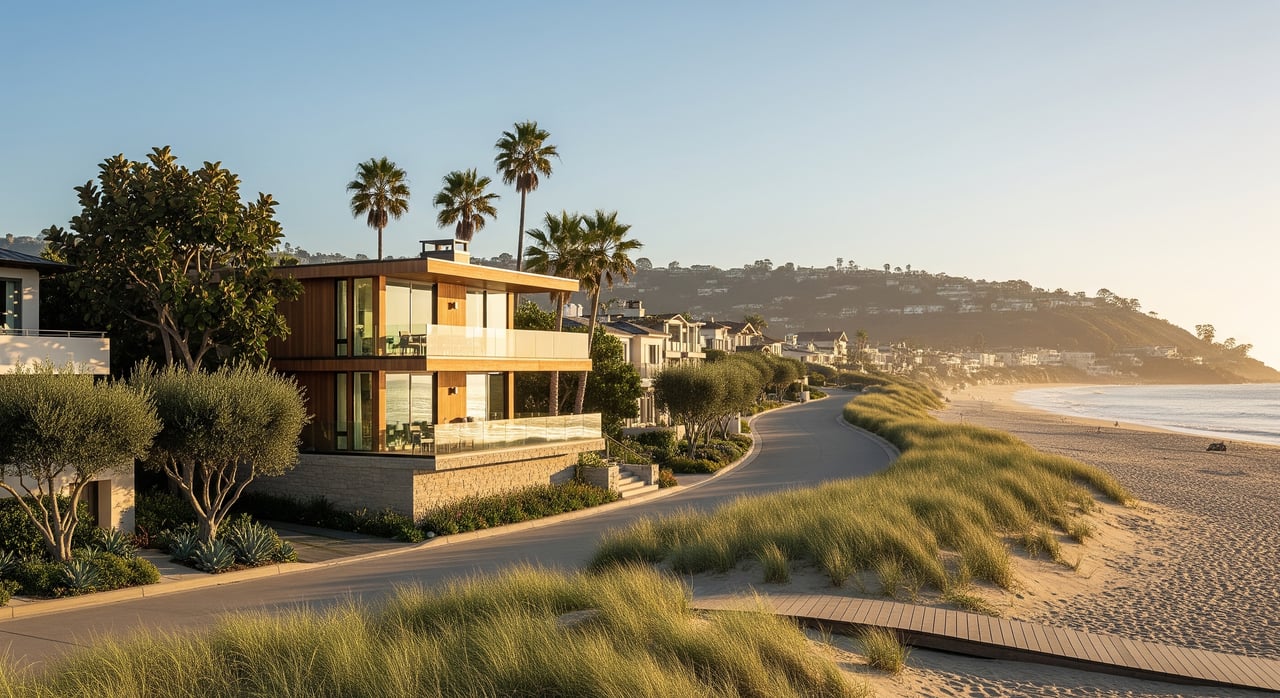
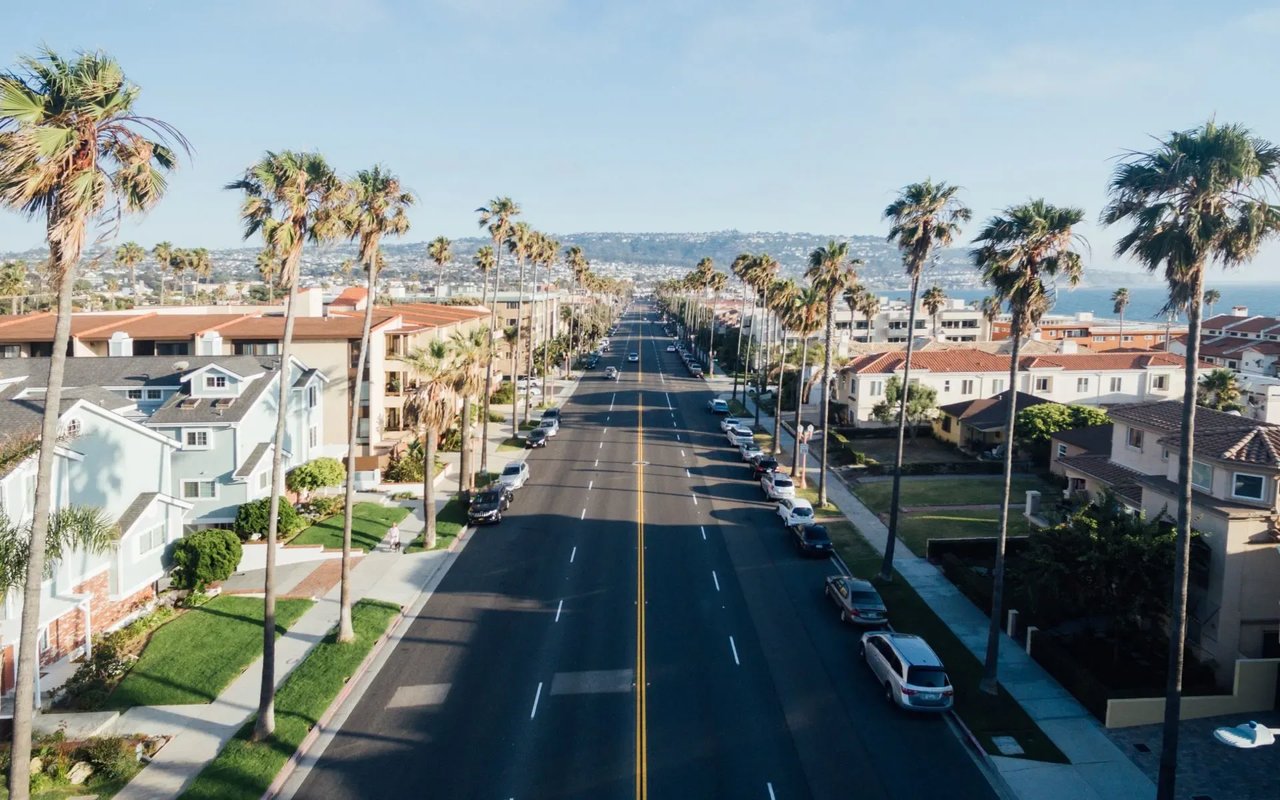
The Sand Section runs along the coast, west of Highland or Valley and down toward the Strand and pier. You get immediate beach access and short walks to downtown shops and restaurants. Expect the highest walkability and lively street energy, especially near the Pier and popular volleyball courts.
Typical Sand Section lots are smaller, sometimes narrow or irregular, especially close to the Strand. You will see a mix of preserved cottages, mid‑century bungalows, and many modern rebuilds. Oceanfront and first‑row properties are often fully custom, design‑forward homes.
This area sits inside California’s coastal zone. Some projects may require Coastal Development review in addition to city approvals. Beach‑adjacent parcels can fall within FEMA‑mapped flood zones and may face higher exposure to salt air and corrosion.
Central and inland from the beach, the Tree Section features tree‑lined residential streets and quick connections to Manhattan Beach Boulevard and Rosecrans Avenue corridors. Walkability is moderate, with many streets a 5 to 20 minute walk to downtown or the beach. Neighborhood parks and local retail add to day‑to‑day convenience.
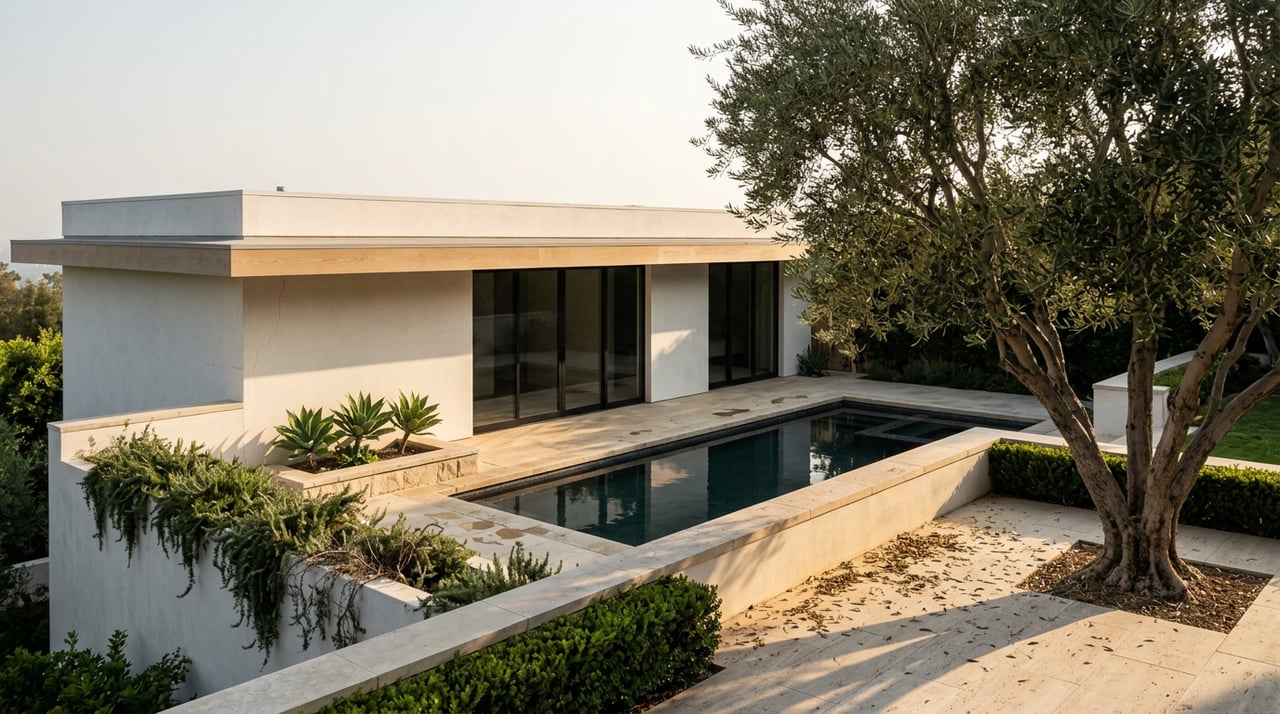
Lots are often traditional single‑family parcels, commonly in the 5,000 to 7,000 square foot range, though sizes vary block by block. Homes reflect a broad mix, from Spanish and Craftsman to newer coastal builds that generally maintain a neighborhood scale.
Parcels are mostly flat, which can simplify construction compared with coastal or hillside projects. Zoning governs height, setbacks, and lot coverage, and many owners explore ADUs subject to city rules. For codes and approvals, start with the City’s Community Development resources.
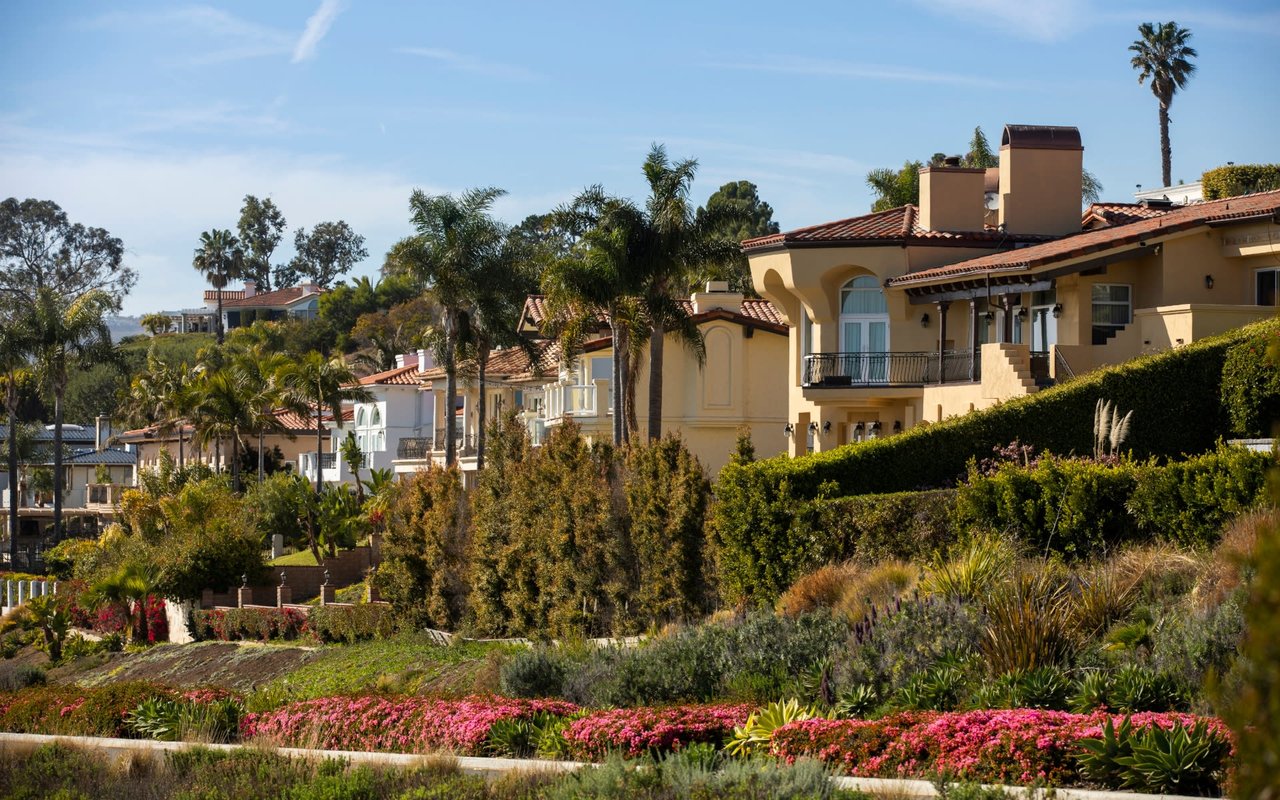
The Hill Section rises inland, offering elevation, wider sightlines, and the potential for ocean and city views. Walks to the sand are longer, so many residents rely on cars or bikes for beach access. The area often feels quieter, with a focus on outlooks and privacy.
Parcels can be larger or elongated, shaped by slope and topography. You will find multi‑level custom homes, Mediterranean and modern styles, and extensive outdoor spaces designed to capture views. Many builds are newer and designed to maximize outlook and natural light.
Hillside construction can require soils and geotechnical reports, grading permits, and engineered foundation solutions. Height limits and view considerations may influence design. Start early with the city on feasibility, including grading and drainage requirements.
Section‑level pricing moves with inventory, seasonality, and the mix of new builds, original homes, and oceanfront sales. For clean comparisons, draw MLS polygons for each section, then pull single‑family sales for the past 12 and 36 months. Capture median price, price per square foot, days on market, and list‑to‑sale ratios, and separate Strand and first‑row Sand sales from the rest.
For public, time‑stamped context, use the city and ZIP dashboards below, then refine with MLS comps at the block level:
For bus routes and connections across the Beach Cities, check schedules with Beach Cities Transit. For your short list, compare Walk Score and a few Google Maps walking‑time snapshots from each property to the Pier and key shops.
Coastal properties can face flood and wave action risks, which you can screen first through FEMA’s Flood Map Service Center. To consider long‑term sea‑level scenarios, review the NOAA Sea Level Rise Viewer. Any new development or major remodel near the shoreline is also subject to California’s coastal policies, so consult the California Coastal Commission and the City’s planning team early in your due diligence.
Public schools in Manhattan Beach are served by the Manhattan Beach Unified School District. Always verify school assignments by address on the MBUSD website, as boundaries and capacities can change. City parks, courts, and community programs are distributed across all three sections, so evaluate your block’s specific access to the amenities you use most.
If you are weighing Sand vs. Tree vs. Hill, a block‑by‑block tour paired with a tailored comps package can clarify value fast. Our team sources current, like‑for‑like sales, separates Strand and view premiums, and pre‑screens permitting and zoning questions before you write. For a private, data‑driven consult, connect with Accardo Real Estate Associates.
Stay up to date on the latest real estate trends.
How strategic pricing, thoughtful property improvements, professional staging, and targeted marketing helped turn a Palos Verdes Estates home into a multiple-offer suc… Read more
Hollywood Riviera History | Torrance & Redondo Beach
Real Estate
Thinking of buying or selling in the South Bay before the holidays? Explore mortgage rates, local market trends, and expert advice for your next move.
South Bay
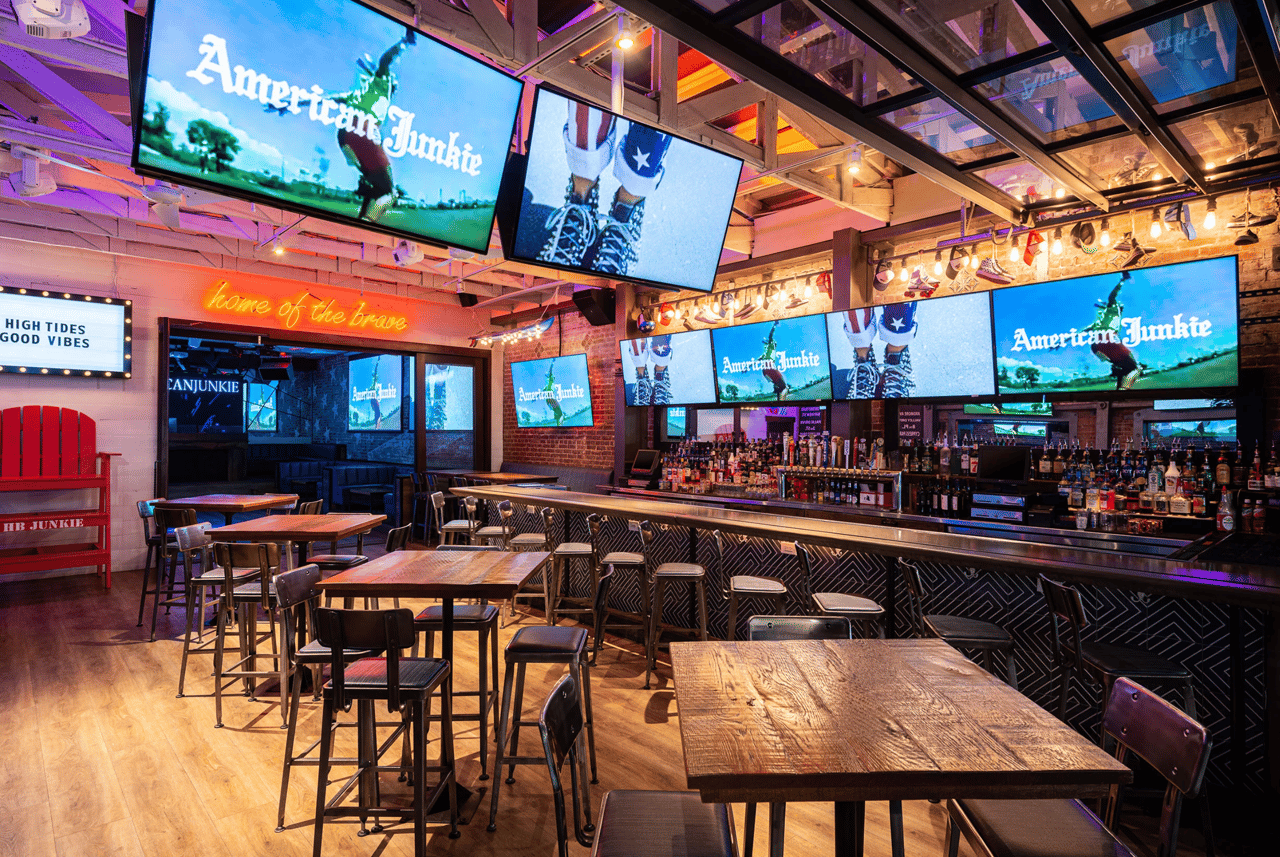
Football season is officially back, and sometimes watching from the couch just doesn’t cut it. Whether you’re looking for wall-to-wall TVs, a packed game-day crowd, w… Read more
Tony and his team set out to be not just the best possible realtors but also trusted resources. Their experience goes well beyond their years as South Bay's top-producing Realtors®.
Thinking of buying or selling in the South Bay? Our team specializes in strategic home preparation, elevated marketing, and expert negotiation designed to maximize your home’s value. Call or Text 310.855.3557 to start the conversation.
Palos Verdes Office:
550 Silver Spur Road, Suite 110
Rancho Palos Verdes, CA 90274
Hermosa Beach Office