Manhattan Beach Walk-Street Living: Is It Right For You?
May 7, 2026
May 7, 2026
Wondering whether a Manhattan Beach walk street feels like a dream coastal lifestyle or a daily inconvenience? If you are drawn to the idea of beach access, pedestrian energy, and a home that feels connected to the neighborhood around it, this is a question worth exploring carefully. The right fit depends less on price point and more on how you want to live day to day. Let’s dive in.
In Manhattan Beach, walk streets are pedestrian-first public streets in the beach area and coastal zone where vehicles are not permitted. The city describes them as east-west corridors that connect nearby neighborhoods to the beach and help encourage community interaction.
Within the Downtown Specific Plan area, the city identifies walk streets on parts of 15th, 14th, 12th, and 11th Streets from The Strand to Ocean Drive. It also includes 13th Street from The Strand to Highland Avenue, 10th Street from The Strand to Highland Avenue, and 9th Street from The Strand to Manhattan Avenue.
These blocks typically include concrete walkways that are about 15 to 20 feet wide within 60-foot rights-of-way. The city also treats these walk streets as an important part of Manhattan Beach’s beach-town identity and says they should be preserved so scenic views and community character remain intact.
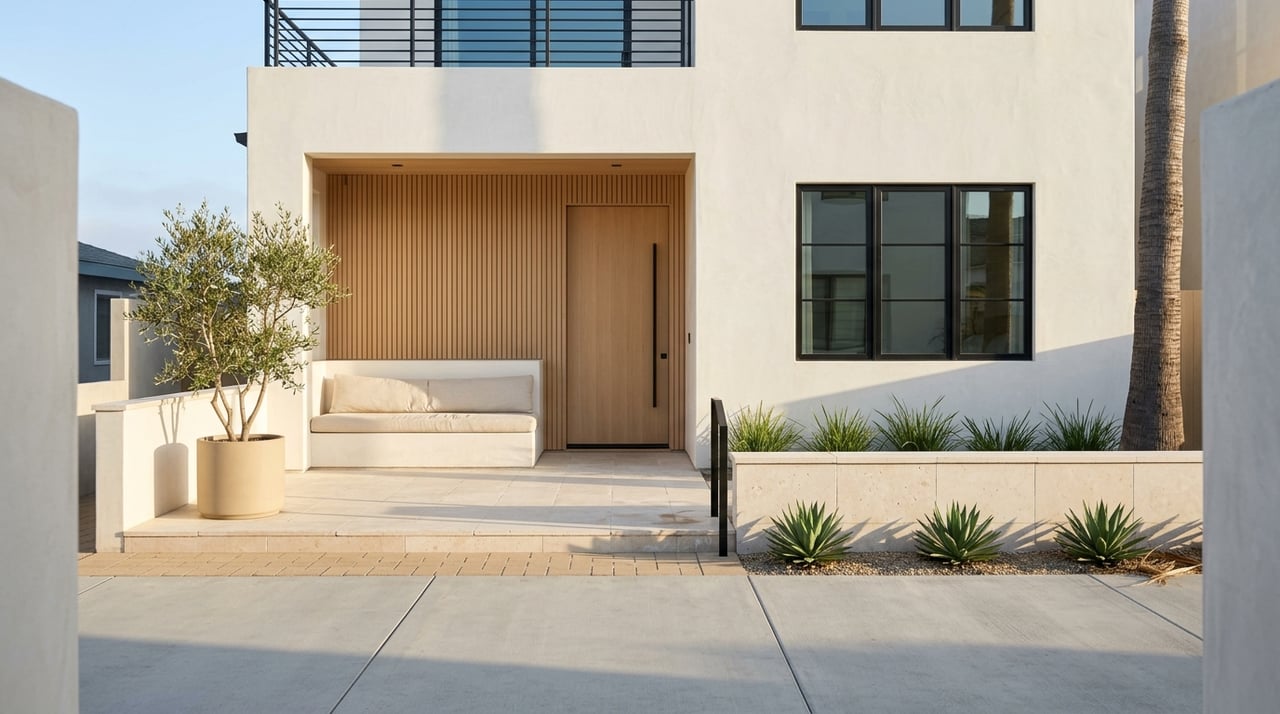
The biggest draw is simple: you get a highly distinctive beach lifestyle. Walk streets create a direct connection to the beach and are framed by outdoor patios, gardens, and living spaces that feel integrated with the pedestrian setting.
That gives many homes a more social, open feel than a typical residential street. Instead of focusing on driveways and a traditional front-yard buffer, walk-street homes often revolve around outdoor living, visual openness, and a stronger connection to the public realm.
For many buyers, that is exactly the point. If you want your home to feel tied to the rhythm of Manhattan Beach, not separated from it, walk-street living can feel special in a way that is hard to duplicate on a standard block.
Homes on walk streets tend to work best when they embrace the setting rather than resist it. Front patios, terraces, gardens, and light landscaping usually feel especially natural in this context.
The city’s guidance for pedestrian-oriented areas favors openness over solid visual barriers. In practical terms, homes that rely on tall walls, heavy screening, or a closed-off front edge may feel less aligned with the character the city is trying to preserve.
That does not mean every home has to feel exposed. It means the most successful walk-street homes usually strike a thoughtful balance between privacy and connection.
Walk-street living offers charm, but it also asks you to plan ahead more often. Because vehicles are not allowed on the walk street itself, daily life depends more on nearby parking, garages, public lots, and delivery logistics.
If you are used to pulling up directly in front of your home, this can be a real adjustment. Groceries, guests, service appointments, and move-in days may take a bit more coordination than they would on a conventional street.
That tradeoff is not necessarily a dealbreaker. For many buyers, it is simply part of the lifestyle equation.
The city manages parking across Manhattan Beach through a mix of public lots and metered spaces. According to the city, Manhattan Beach has eight public parking lots with 899 spaces and 1,377 single-space meters, and it also operates county-owned and state-owned lots.
The city notes that parking meters are generally always in effect unless posted otherwise. That matters if you expect guests to arrive without much planning.
For overnight parking, the city offers residential permits only in designated beach lots. The current city posting says permits cost $30 for three months, up to two permits may be issued per address, and they are valid from 6:00 PM to 8:00 AM. They are not valid for street parking.
If you host often, parking strategy matters. Guests usually need a plan before they arrive rather than assuming there will be easy parking directly in front of the house.
Large gatherings may feel easier if the property has a garage, if you know the nearest lot options, or if your guests are comfortable using ride-share services. If you expect frequent moving trucks, POD containers, or large contractor visits, Manhattan Beach also requires city-specific temporary no-parking signs for reserving space for those uses.
In short, walk-street life tends to reward buyers who are comfortable thinking one step ahead. If that sounds manageable, the tradeoff may feel minor compared with the lifestyle benefits.
Walk-street homes tend to appeal most to buyers who want a beach-centric, pedestrian-oriented lifestyle. If you enjoy outdoor entertaining, a socially active setting, and a home that feels woven into the neighborhood experience, this type of property can be a strong match.
You may also appreciate walk-street living if you value design and curb appeal in a more coastal, people-first format. On these blocks, the front of the home often functions less like a private setback and more like part of the overall living experience.
For the right buyer, that can feel energizing and distinctive. It offers a version of Manhattan Beach living that is hard to replicate elsewhere.
Walk-street living is not ideal for everyone, and that is perfectly fine. If you want more separation from pedestrian activity, more predictable guest parking, or a more traditional relationship between the street, driveway, and front yard, you may be happier on a nearby conventional block.
That does not mean giving up the Manhattan Beach lifestyle. It simply means choosing a version of it that better supports your routines and comfort level.
This is often the key decision point. The question is not whether walk streets are appealing. The question is whether their strengths line up with how you actually want to live.
From a resale perspective, walk-street homes are best viewed as a lifestyle-focused niche within Manhattan Beach. Their appeal can be strong, but it is strongest among buyers who specifically want this pedestrian, beach-connected setting.
That is one reason presentation matters. Homes that highlight indoor-outdoor flow, usable exterior space, and a frontage that feels compatible with the walk-street environment are likely to resonate most with future buyers looking for this exact experience.
The good news is that Manhattan Beach treats walk streets as a feature worth preserving. Their limited geography and distinct identity help keep them recognizable within the broader market.
If you are considering a walk-street home, try to picture your regular week rather than your ideal vacation version of beach life. Think about parking, unloading the car, hosting friends, accepting deliveries, and how much privacy you want at the front of the home.
Then balance those practical questions against what makes walk streets special. If you light up at the idea of pedestrian energy, outdoor living, and a stronger connection to the beach and neighborhood, that lifestyle may be worth the added planning.
If you are unsure, comparing a walk-street property with a nearby standard residential block can be incredibly helpful. Seeing both in person often makes the right answer much clearer.
If you are weighing the pros and cons of buying or selling near the Manhattan Beach walk streets, Accardo Real Estate Associates can help you evaluate fit, positioning, and market strategy with the local insight that matters.
Stay up to date on the latest real estate trends.
How strategic pricing, thoughtful property improvements, professional staging, and targeted marketing helped turn a Palos Verdes Estates home into a multiple-offer suc… Read more
Hollywood Riviera History | Torrance & Redondo Beach
Real Estate
Thinking of buying or selling in the South Bay before the holidays? Explore mortgage rates, local market trends, and expert advice for your next move.
South Bay
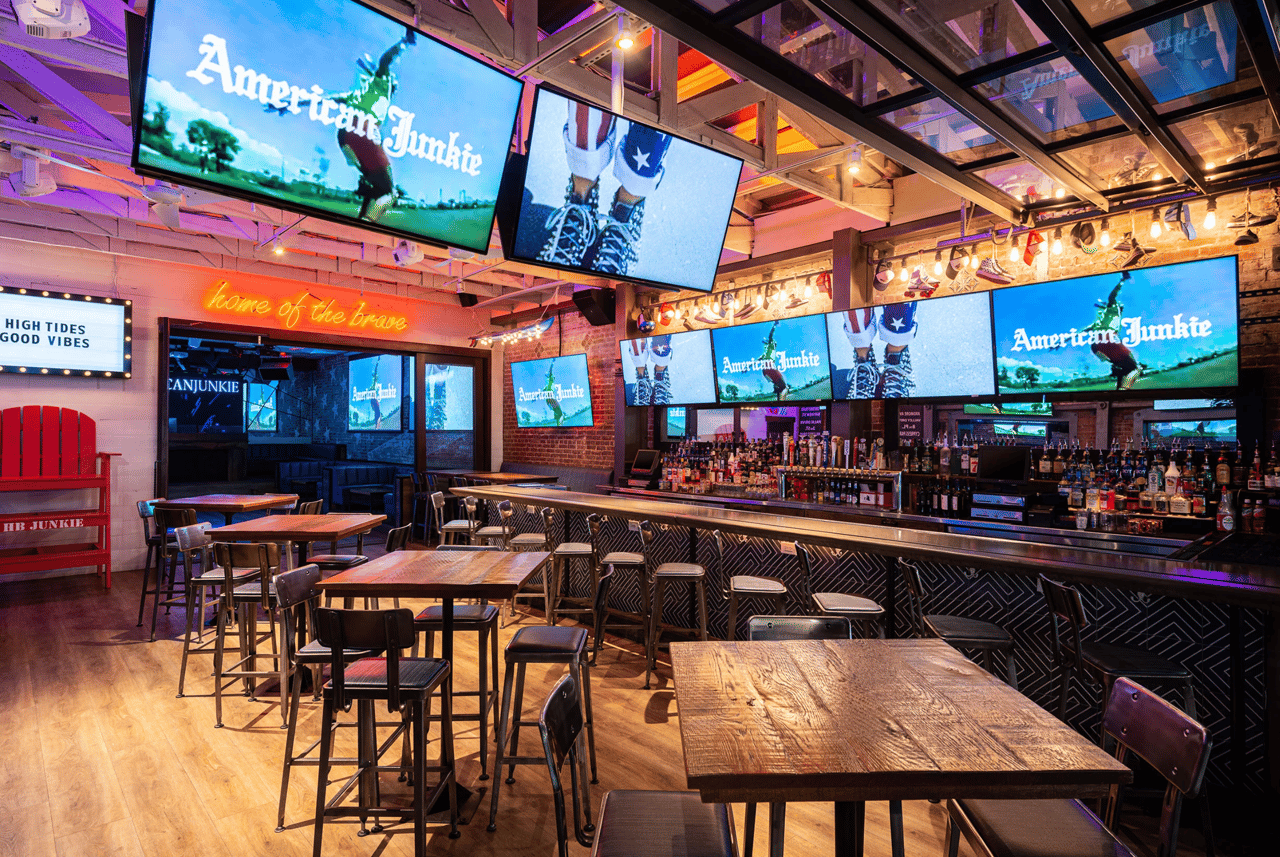
Football season is officially back, and sometimes watching from the couch just doesn’t cut it. Whether you’re looking for wall-to-wall TVs, a packed game-day crowd, w… Read more
Tony and his team set out to be not just the best possible realtors but also trusted resources. Their experience goes well beyond their years as South Bay's top-producing Realtors®.
Thinking of buying or selling in the South Bay? Our team specializes in strategic home preparation, elevated marketing, and expert negotiation designed to maximize your home’s value. Call or Text 310.855.3557 to start the conversation.
Palos Verdes Office:
550 Silver Spur Road, Suite 110
Rancho Palos Verdes, CA 90274
Hermosa Beach Office