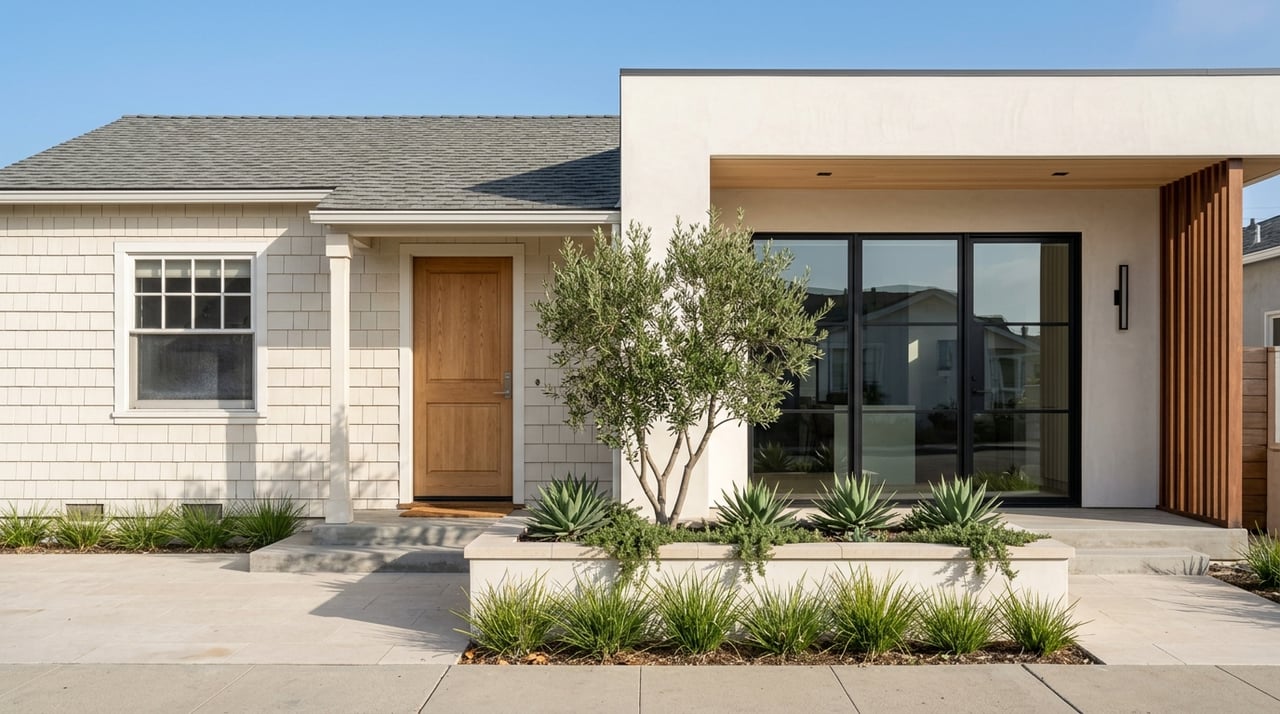
New Construction Vs Existing Homes In Manhattan Beach
May 21, 2026
May 21, 2026
If you are deciding between a brand-new home and an older property in Manhattan Beach, you are not just choosing finishes or floor plans. You are choosing a lot, a section of the city, and a set of rules that can shape how you live in the home now and what you can do with it later. In this market, the smartest decision usually comes from understanding the full picture before you buy. Let’s dive in.
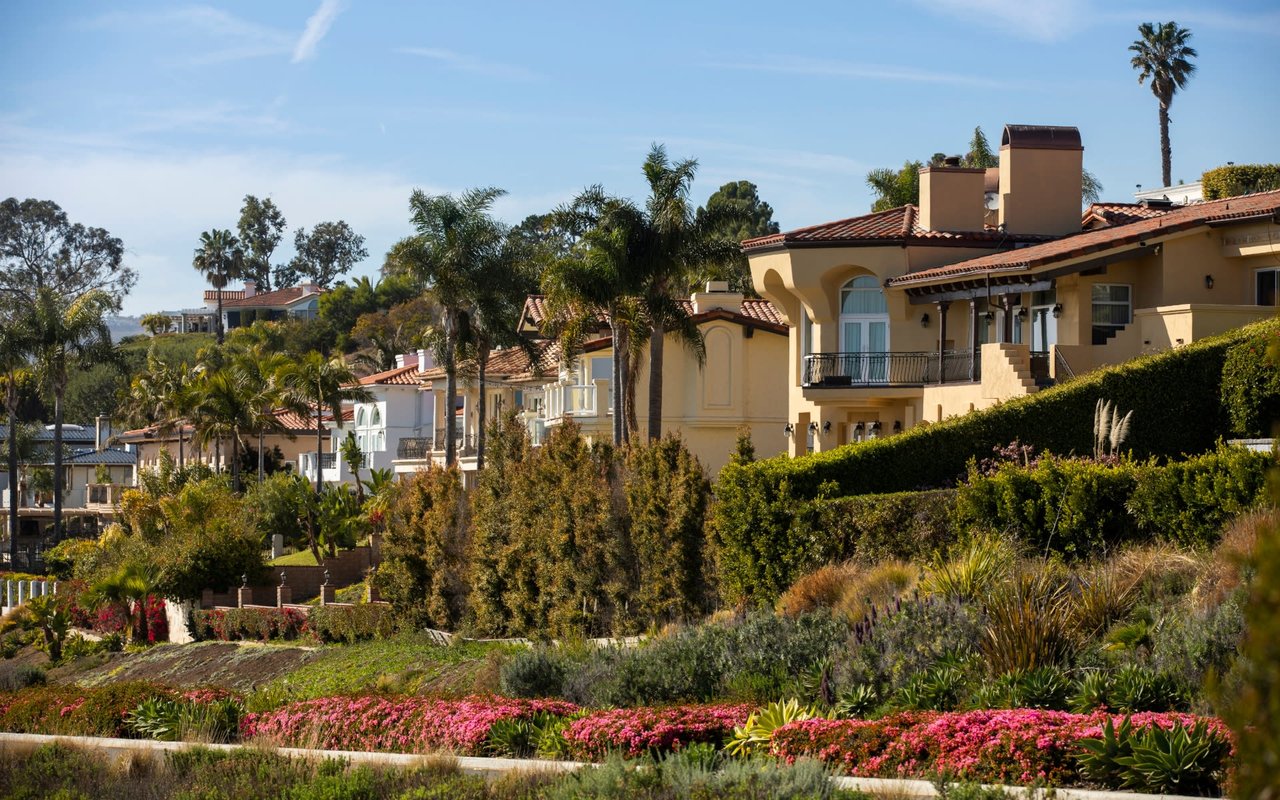
Manhattan Beach is a small coastal city of about four square miles with roughly 2.1 miles of beachfront, but it does not behave like one uniform housing market. City planning documents separate the Hill Section, Tree Section, Beach Area or Sand Section, Eastside, Manhattan Village, Downtown, and El Porto, and that matters when you compare new construction with existing homes.
In practical terms, location within the city can carry as much weight as the house itself. The lot, neighborhood context, parking setup, tree coverage, and permitting path can all affect value, usability, and long-term flexibility.
That local complexity also sits inside a high-price market. As of March 2026, Redfin reported a median sale price of $3.3 million, while Realtor.com reported a median sale price of $4.27 million, 104 active listings, about 40 days on market, and a 99% sale-to-list ratio. Even with different methodologies, both point to the same takeaway: Manhattan Beach is expensive, competitive, and sensitive to details.
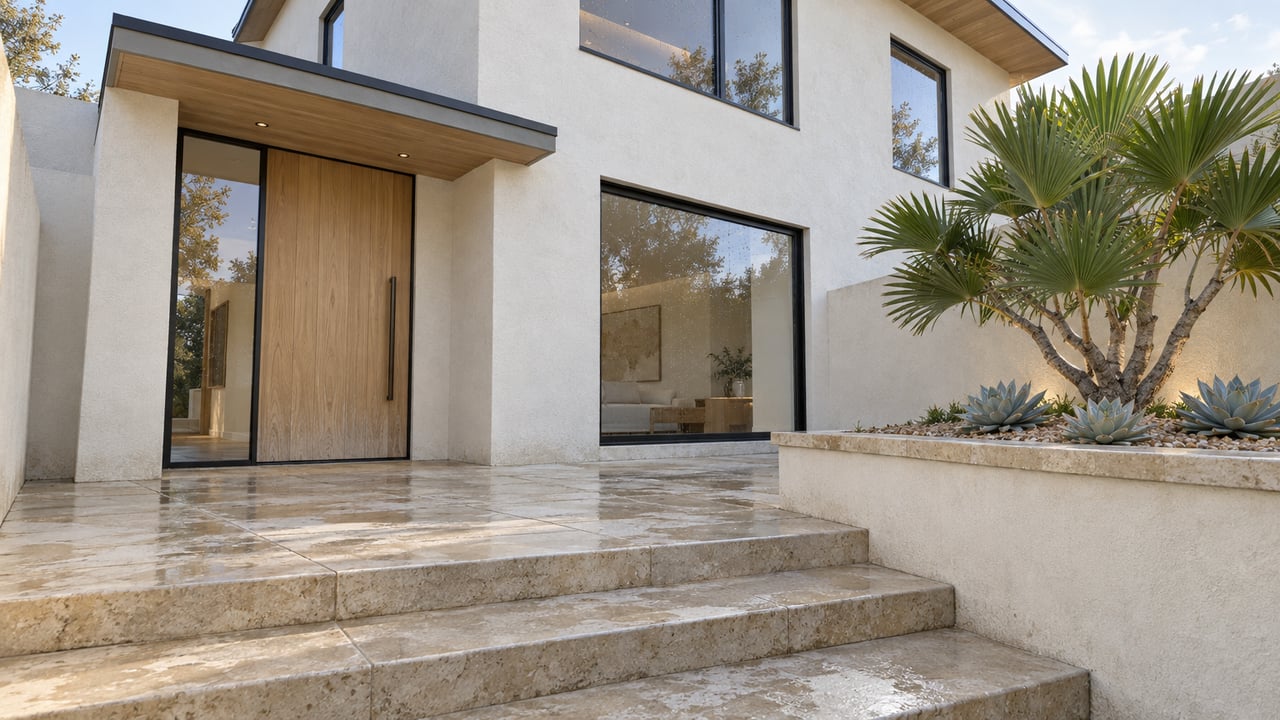
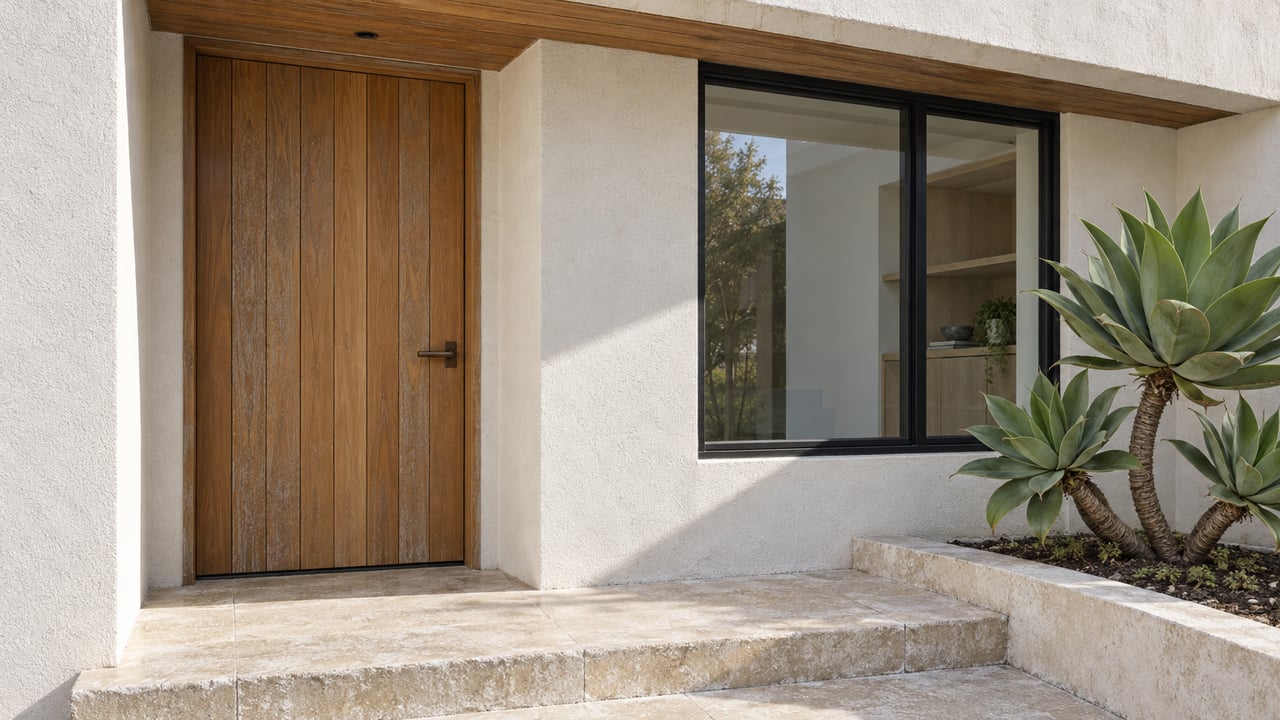
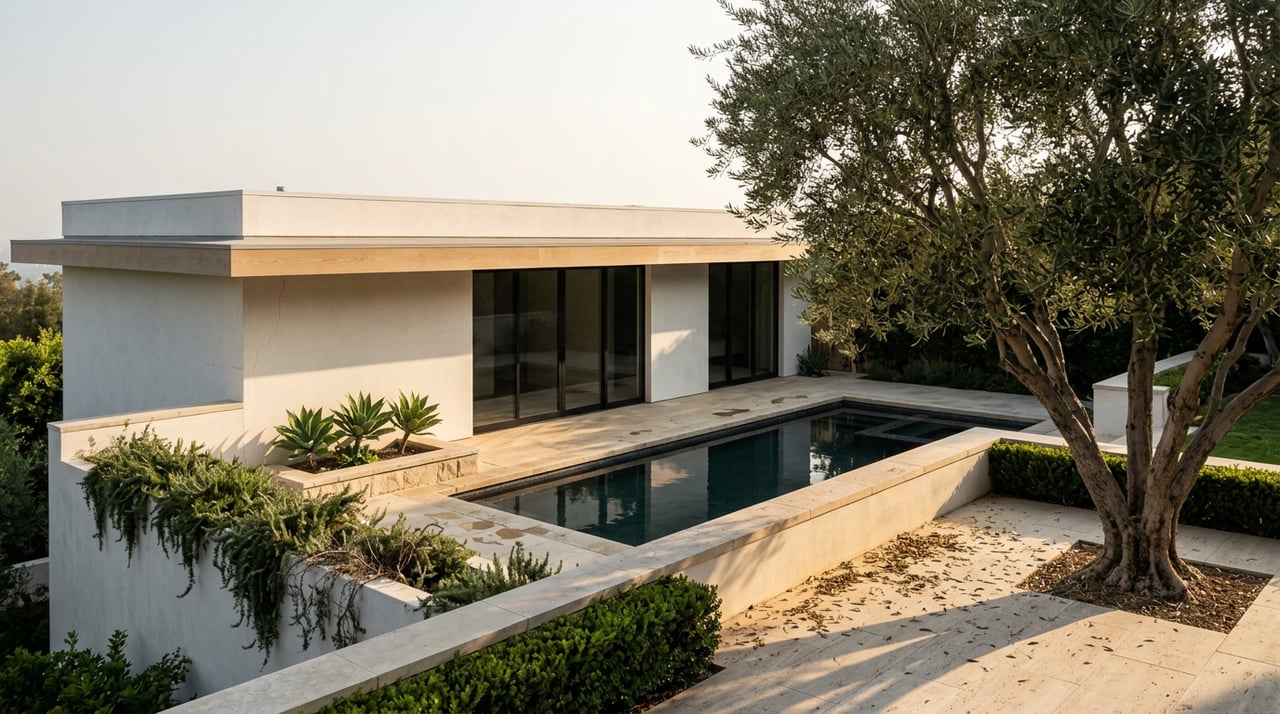
For many buyers, new construction is appealing for a simple reason: it feels easy on day one. You usually get a more modern layout, newer systems, and fewer near-term repair surprises than you might find in an older home.
New homes can also offer an efficiency advantage. Current homes are built to newer codes, and the Department of Energy notes that many older homes have less insulation than homes built today. That can translate into better performance, lower near-term maintenance risk, and more predictable ownership costs.
There can also be value in having newer materials and systems from the start. Builder warranty terms vary, but the Federal Trade Commission notes that coverage often includes workmanship and materials early on, with some policies extending major structural coverage for up to 10 years.
If you want a home that is ready to enjoy with less immediate updating, new construction often checks that box. In a luxury coastal market, many buyers are willing to pay more for that convenience and for the peace of mind that comes with newer roofing, HVAC, insulation, windows, and building systems.
National housing research also suggests new homes can carry a price premium. Realtor.com reported that newly built homes had a 13.7% premium over existing homes in the fourth quarter of 2024, though builders were also more likely to offer incentives such as mortgage buydowns.
In Manhattan Beach, a new home is rarely just a design decision. It is also a permitting and regulatory decision, and that can affect both timeline and cost.
The city states that most construction, remodel, demolition, excavation, and utility-related work requires a permit. As of January 1, 2026, plan submissions are reviewed under the 2025 California Building Standards Code, and local building regulations remain in Title 9 of the municipal code.
That means the path to a finished home can be more involved than many buyers expect. No work or inspections can take place until the permit is approved and issued, and issued permits become invalid if work does not begin within 12 months.
If your plan is to buy a lot and build new, demolition adds another layer. Manhattan Beach requires residential new residences, qualifying additions and remodels, and all demolition projects to recycle at least 65% of waste through its Construction and Demolition Waste Management Program.
That requirement is reasonable, but it is one more moving part in a process that already includes plan review, inspections, and site-specific constraints. In short, the clean look of a new home may come with a more complex road to get there.
In older parts of Manhattan Beach, tree rules can matter more than buyers expect. Protected trees in required front-yard and corner-side setbacks may need to be preserved or addressed through a tree permit, and some projects may require an arborist report, a tree inventory, a protection plan, or replacement and relocation plans.
For some new residential projects in Area Districts I and II that exceed 50% valuation, the city may also require at least one new 36-inch box tree unless the city determines that requirement is not appropriate. If you are looking in the Tree Section or another mature neighborhood, that can directly affect design and budgeting.
Coastal-zone properties may involve another review layer as well. The city notes that the Coastal Zone has its own land-use and development regulations through the Local Coastal Program, which is especially relevant for ocean-adjacent sites where scale and review path can affect timing and design flexibility.
Existing homes win for many buyers because they offer something hard to recreate: established context. In Manhattan Beach, that often means mature trees, older landscaping, and a stronger sense of how the home fits into its street and section.
The city’s planning documents specifically note that mature trees contribute shade, streetscape quality, property values, and neighborhood charm. For buyers who value a more settled feel, that can be a real advantage.
Existing homes can also create a different path into Manhattan Beach. Instead of paying for a fully new build up front, you may be able to buy a well-located older home and improve it over time.
This is one of the biggest truths in the local market: sometimes the lot is the real asset. A well-sited older home in the right section may hold more long-term appeal than a newer home on a more constrained or awkward parcel.
That is especially important in a city where planning policy emphasizes preserving neighborhood scale, open space, and established character. In Manhattan Beach, buying “the house” without fully understanding “the site” can be a mistake.
Older homes can offer charm and location, but they also require more diligence. In Manhattan Beach, permit history and legal status are a major part of the value story.
The city’s code says that a lawfully existing nonconforming structure may be maintained, but changes cannot increase discrepancies with current standards for things like yards, height, floor area, driveway requirements, or open space except in limited cases. That means what you inherit with an older home may not be simple to change later.
The city also requires the seller to obtain a Residential Building Report before the sale agreement or exchange of any residential building. That report shows the property’s regularly authorized use, occupancy, and zoning classification.
When you buy an existing home, you should pay close attention to whether past additions, decks, garages, basements, or remodels were properly permitted. You also want to understand whether any deviations from current standards are legal nonconforming conditions or something that could create issues in a future remodel or resale.
This is one reason an older home that looks like a value on the surface may not be the easiest long-term choice. The real question is not just what is there today. It is what you can legally maintain, update, or expand tomorrow.
Existing homes may also need more capital improvements over time. The Department of Energy notes that many older homes have less insulation than newer homes and recommends assessments to identify air sealing and insulation needs.
For you, that can mean a larger future budget for HVAC, windows, roofing, exterior maintenance, insulation, or envelope upgrades. A home with a strong location may still be the right buy, but you want a realistic view of those costs before you commit.
Manhattan Beach buyers often get the clearest answers when they compare homes by section, not just by age.
In the Beach Area, lots are generally smaller than 3,000 square feet, and the city notes that parking for residents and visitors is in short supply. That makes lot usability, garage layout, and true off-street parking a major part of the decision.
If you are comparing a new build with an older home here, pay attention to frontage, outdoor space, storage, and daily parking function. The city also states that parking pads in the Sand, Dune, and Tree sections are public parking spaces in the right-of-way, not private yard space, so you should verify what is actually private property.
The Tree Section often appeals to buyers who want mature landscaping and a more established streetscape. Existing homes may have strong character, but tree preservation can affect remodel or rebuild plans.
That means an older home may feel especially attractive here, yet future changes could involve more review and planning. If your long-term goal includes major renovation, the trees are not just aesthetic. They are part of the project equation.
The Hill Section is generally a single-family area with slightly larger lots, while commercial and higher-density uses are more limited to major corridors such as Sepulveda Boulevard and Manhattan Beach Boulevard. For some buyers, that can create a different balance of space, layout options, and neighborhood feel.
The city’s lot-size caps also show how strongly Manhattan Beach regulates scale, with maximum lot sizes of 15,000 square feet in the Hill Section, 10,800 square feet in the Tree Section, and 7,000 square feet in the Beach Area and El Porto. Those caps reinforce a simple point: even in sections with more room, bulk and scale are still carefully controlled.
If you want a home that feels turnkey, with modern systems and fewer early maintenance projects, new construction may be the better fit. That is often the easier lifestyle choice, especially if you value predictability.
If you care most about lot quality, established setting, mature trees, or getting into a preferred section with the option to improve over time, an existing home may be the smarter move. In Manhattan Beach, that can be the more strategic choice when the site is exceptional.
A helpful way to compare options is to ask five questions:
In Manhattan Beach, the choice between new construction and an existing home is rarely just about old versus new. It is usually about how the property fits the lot, the section, and the city’s rules.
New construction gives you modern living, better efficiency, and lower near-term maintenance, but it can bring more permitting, tree review, demolition requirements, and coastal review in some locations. Existing homes can offer character, mature landscaping, and strong site value, but they require careful review of permit history, nonconforming status, parking reality, and future upgrade costs.
If you want help weighing those tradeoffs in Manhattan Beach, Accardo Real Estate Associates can help you compare properties with a local, lot-by-lot perspective and a concierge approach tailored to your goals.
Stay up to date on the latest real estate trends.
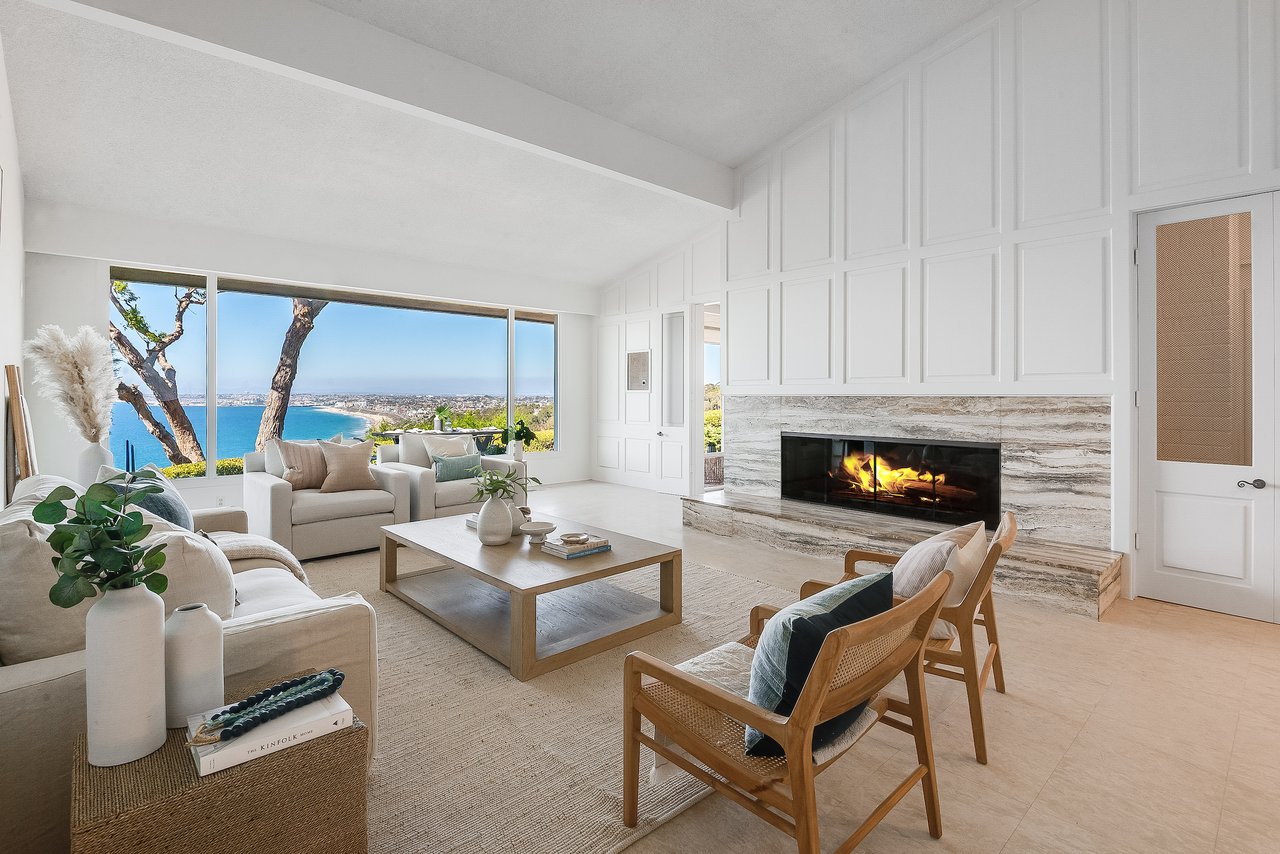
How strategic pricing, thoughtful property improvements, professional staging, and targeted marketing helped turn a Palos Verdes Estates home into a multiple-offer suc… Read more
Hollywood Riviera History | Torrance & Redondo Beach
Real Estate
Thinking of buying or selling in the South Bay before the holidays? Explore mortgage rates, local market trends, and expert advice for your next move.
South Bay
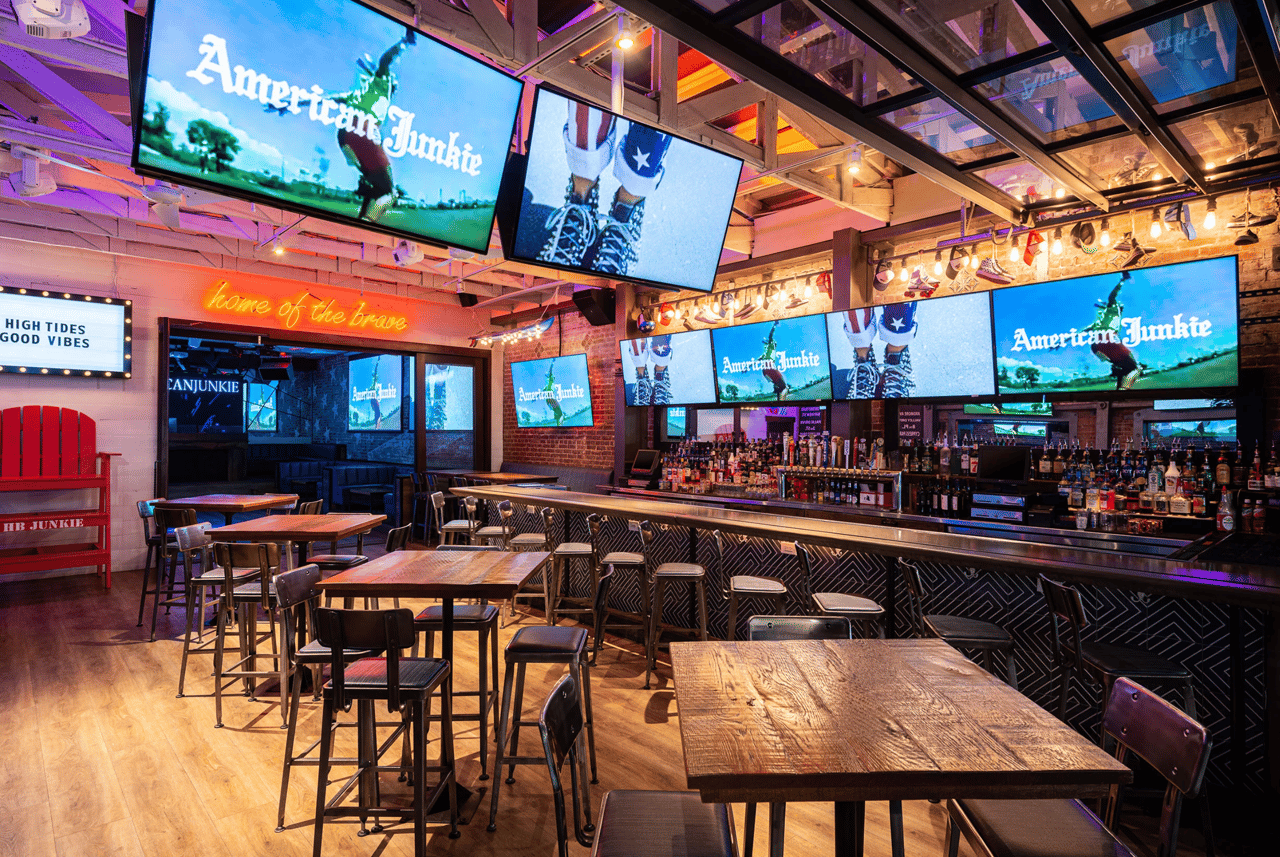
Football season is officially back, and sometimes watching from the couch just doesn’t cut it. Whether you’re looking for wall-to-wall TVs, a packed game-day crowd, w… Read more
Tony and his team set out to be not just the best possible realtors but also trusted resources. Their experience goes well beyond their years as South Bay's top-producing Realtors®.
Thinking of buying or selling in the South Bay? Our team specializes in strategic home preparation, elevated marketing, and expert negotiation designed to maximize your home’s value. Call or Text 310.855.3557 to start the conversation.
Palos Verdes Office:
550 Silver Spur Road, Suite 110
Rancho Palos Verdes, CA 90274
Hermosa Beach Office