The Manhattan Beach Building Report That's Due Before You Sign, Not Before You Close
August 20, 2026
August 20, 2026
A seller in the Sand Section calls her agent two days before opening escrow, building report in hand, checking it off the list along with the smoke detector certificate and the natural hazard disclosure. That is how it works in a lot of California cities. It is not how it works in Manhattan Beach.
Manhattan Beach Municipal Code Chapter 9.24 puts the city's Residential Building Report earlier in the process than most sellers expect. The ordinance requires that before entering into a sale agreement or exchange of any residential building, the seller or their authorized representative obtain from the city a report of the residential building record showing the regularly authorized use, occupancy, and zoning classification of the property. Read that again: before entering into a sale agreement, not before close of escrow. In a market where offers move in days and sellers are often coordinating a sale from out of state, that distinction is the kind of detail that gets missed until it matters.
The Residential Building Report is applied for online through the city's Citizen Self Service (CSS) Portal, and it pulls from whatever is on record for that specific parcel. In practice, that means the report reflects the permit history the city has on file: additions, remodels, garage conversions, anything that changed the footprint or the authorized use of the structure. If a prior owner finished a garage into a bedroom without pulling a permit, or added square footage that never made it into the city's records, the report is where that gap in the paper trail tends to surface first.
This is not a home inspection. It does not evaluate the condition of the roof or the plumbing. It is a records check, comparing what exists on the ground against what the city has approved. For older homes in Manhattan Beach, particularly in the Sand Section and Hill Section where decades of remodels have layered on top of original 1920s and 1950s construction, that comparison is not always a clean match.
Manhattan Beach is one of a number of Los Angeles County cities that require some version of a pre-sale property report, and the assumption that "my neighbor's agent handled this the same way" is usually wrong, because the neighboring cities do not run the same process.
| City | When It's Required | Inspection Required | Who Signs Off |
|---|---|---|---|
| Manhattan Beach | Before entering into a sale agreement | Based on city records for the parcel | Seller applies via CSS Portal |
| Hermosa Beach | Before sale, single family and condo | Two-week turnaround for report | Seller/agent |
| Redondo Beach | Before sale | Only if a violation exists | Buyer acknowledges |
| Torrance | Before sale | No inspection, smoke detector certificate only | Contractor certifies |
| Rolling Hills Estates | Buyer's option | Building permit disclosure and inspection | Buyer's expense |
Line these up and the pattern is not a shared standard so it is a set of five different answers to the same question of what a city wants to know before a house changes hands. Redondo Beach's report is light unless the city's own records flag a violation. Torrance narrows the whole exercise down to smoke detectors. Rolling Hills Estates puts the report at the buyer's discretion and expense entirely. Manhattan Beach is the outlier in a different way. It does not just require a report. It requires the report to exist before the seller and buyer have a signed agreement at all.
That timing detail is easy to miss because most of the county trains agents and sellers to think of these reports as closing paperwork, something you gather once you are in escrow and the buyer's lender starts asking questions. Manhattan Beach's ordinance puts it earlier in the sequence, which means the report needs to be part of listing prep, not post-offer scramble.
For a seller with a straightforward permit history, this is a minor scheduling adjustment. Pull the report early, confirm it is clean, move forward with photography and staging on the timeline you already had planned.
For a seller whose home has an addition, a converted space, or older permits that were never closed out, the earlier trigger point changes the shape of the whole listing timeline. If the report surfaces a gap between what is built and what the city has on record, that is not something to discover the week a buyer is trying to remove contingencies. It is something to know before the property goes live, while there is still time to decide whether to pull a retroactive permit, address the discrepancy in the disclosure package, or price the home with that history factored in from the start.
This is also where the report intersects with California's Transfer Disclosure Statement obligations. A seller is already required to disclose known material facts and defects. A Residential Building Report that flags unpermitted work does not create a new obligation so much as it puts a paper trail behind an obligation the seller already had. Buyers and lenders in Manhattan Beach's price range routinely ask for permit records during due diligence, and a report ordered late in the process, after a sale agreement is already signed, is a report that arrives after the conversation with the buyer has already started rather than before it.
Manhattan Beach draws a fair number of sellers who are managing a sale from somewhere else, relocating for work, settling an estate, or simply not local to the day-to-day of South Bay city hall. For that seller, the assumption that the building report is a routine, late-stage document is the exact place where a transaction can slow down without warning. The CSS Portal application is straightforward once you know it exists, but knowing it exists before you have already accepted an offer is the part that requires local familiarity rather than a generic California seller's checklist.
The practical fix is simple. Order the Residential Building Report as part of listing preparation, alongside the disclosure package and any pre-listing inspection, rather than waiting for a lender or a buyer's agent to ask for it. If the report is clean, you have lost nothing. If it is not, you have gained the only thing that actually helps in a hot market: time to decide how to handle it before a buyer's attorney is the one raising the question.
Does the Residential Building Report replace a home inspection? No. It is a records comparison between what the city has on file and what exists on the parcel. A buyer's physical inspection is a separate process entirely.
What if the report shows unpermitted work? The report itself does not resolve the discrepancy. It documents it. From there, a seller typically works with their agent and, where needed, a permit expediter or contractor to decide whether to pull retroactive permits, disclose the condition as is, or address it before listing.
Does this apply to off-market or private exclusive sales? The ordinance's language covers entering into a sale agreement or exchange of a residential building, which is not limited to a public MLS listing. Any Manhattan Beach seller, including one moving through a private exclusive process, should confirm the report is in hand before paperwork is signed rather than assuming an off-market path sidesteps a municipal requirement.
Manhattan Beach's building report is a small piece of paperwork with a timing rule that most sellers do not learn until it is already a problem. Ordering it early is one of the few parts of a South Bay sale that costs nothing and only ever helps.
If you are weighing when to list a Manhattan Beach home and want a second set of eyes on the permit history before a buyer's agent finds it first, Accardo Real Estate Associates offers a complimentary market consultation to walk through exactly that kind of timing question.
Stay up to date on the latest real estate trends.

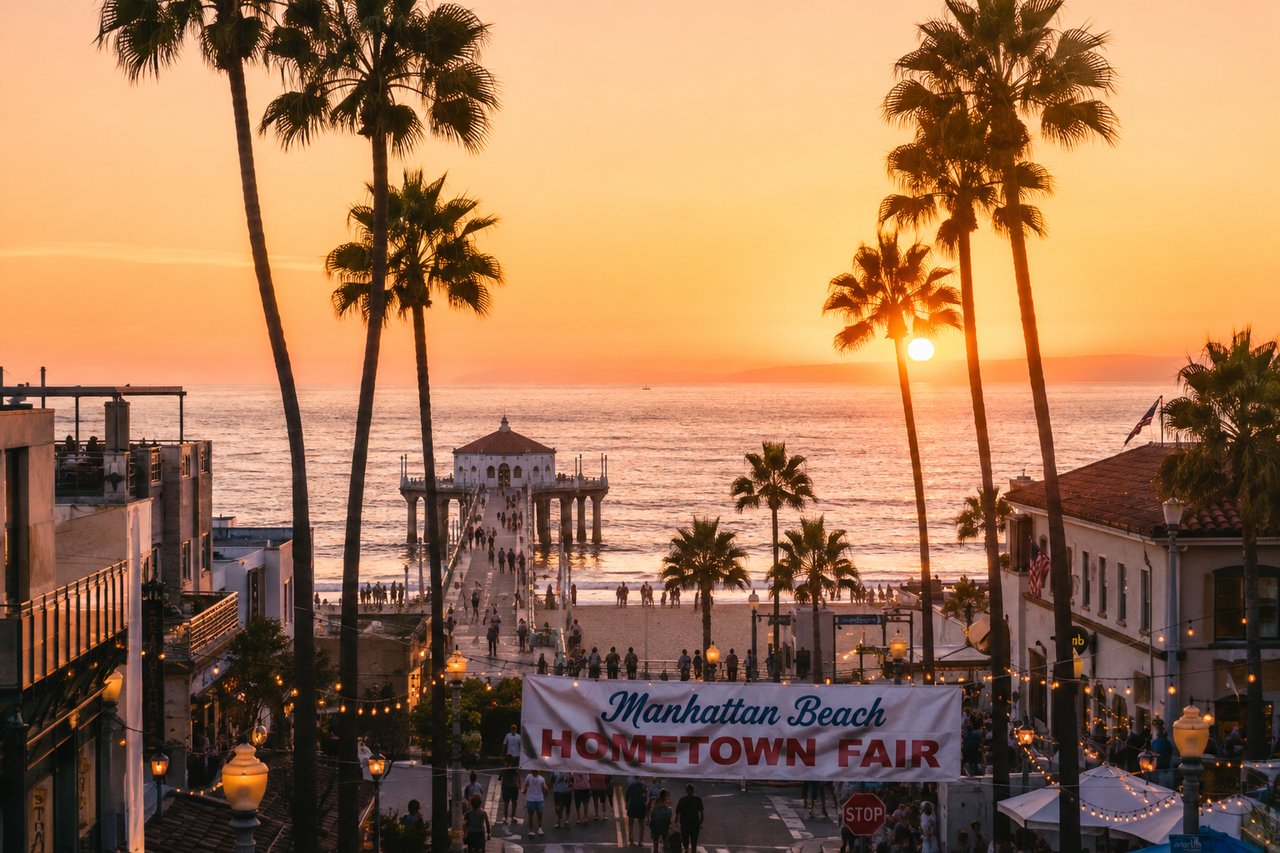
Discover the best South Bay fall events in 2026, from Manhattan Beach and Hermosa Beach to Palos Verdes, Redondo Beach and San Pedro.
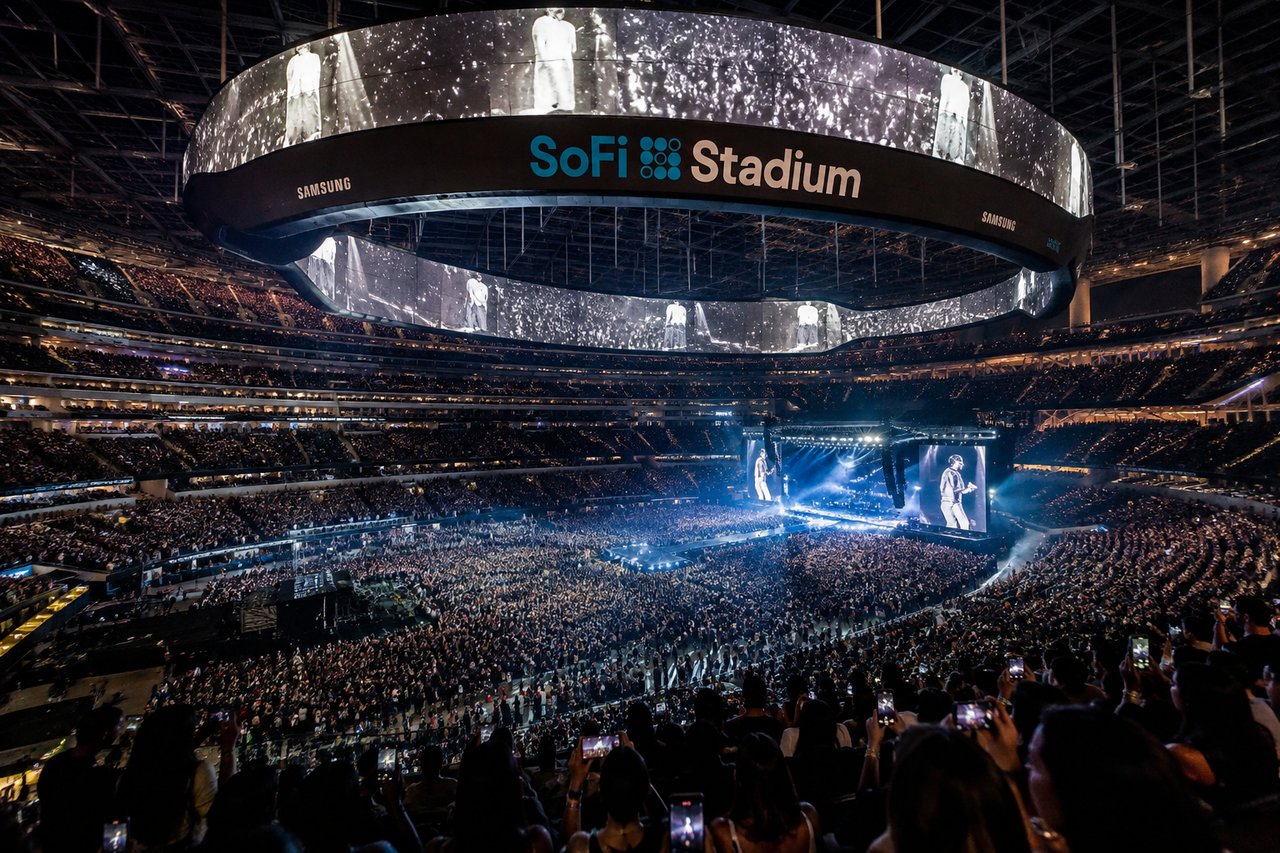
Your guide to fall concerts in Los Angeles, including Bruno Mars, BTS, Charli xcx, Doja Cat, Jack Johnson, J. Cole and more, with dates, venues and ticket links.
Explore the July 2026 South Bay real estate market, including median home prices and sales in Manhattan Beach, Hermosa Beach, Redondo Beach, Torrance, Palos Verdes and… Read more
Explore two unique South Bay real estate opportunities in Manhattan Beach and Hermosa Beach offering rental income, valuable locations and long-term investment potenti… Read more
Tony and his team set out to be not just the best possible realtors but also trusted resources. Their experience goes well beyond their years as South Bay's top-producing Realtors®.
Thinking of buying or selling in the South Bay? Our team specializes in strategic home preparation, elevated marketing, and expert negotiation designed to maximize your home’s value. Call or Text 310.855.3557 to start the conversation.
Palos Verdes Office:
550 Silver Spur Road, Suite 110
Rancho Palos Verdes, CA 90274
Hermosa Beach Office