
South Bay Real Estate: Buy or Sell Before the Holidays? (2026)
Real Estate October 12, 2026
Real Estate October 12, 2026
Mortgage rates, housing prices, and national real estate headlines are everywhere. But before making your next move, there's something worth remembering: the national housing market isn't necessarily your local housing market.
As we head into the final months of 2026, many South Bay homeowners and prospective buyers are asking similar questions.
Should I wait for mortgage rates to come down? Is it better to sell before the holidays or hold off until spring? Are home prices going to drop? And is now really the right time to make a move?
These are important questions, but they don't all have the same answer.
Real estate conditions can look dramatically different from one city to another, and sometimes even from one neighborhood to the next. What makes sense for a homeowner in Palos Verdes Estates may be entirely different from the right strategy for a buyer in Manhattan Beach or a seller in Redondo Beach.
The key isn't trying to perfectly time the market. It's understanding the market you're actually participating in.
Here's what South Bay buyers and sellers should consider before making a decision this fall.
There's no question that mortgage rates influence affordability.
According to Freddie Mac's October 8, 2026 Primary Mortgage Market Survey, the average 30-year fixed mortgage rate reached 7.40%, compared with 6.30% a year earlier.
For buyers, that difference matters. Higher borrowing costs can affect monthly payments, purchasing power, and the price range that feels financially comfortable.
But focusing exclusively on the interest rate can mean overlooking other important factors.
Consider two scenarios:
Scenario A: You purchase a home when rates are higher, but negotiate a favorable purchase price, closing-cost credit, or other seller concessions.
Scenario B: You wait for rates to decline, but increased buyer activity creates more competition for the same property.
Neither scenario is automatically better. A lower interest rate could produce meaningful long-term savings, while a better purchase price or negotiated concession could improve the economics of a transaction today.
And there's no guarantee that mortgage rates will decline on a particular timeline, or that home prices will respond the way buyers expect.
Before deciding whether to purchase, consider:
A qualified mortgage professional can help evaluate financing options, including whether a temporary or permanent rate buydown makes financial sense. Refinancing may be possible in the future, but it should never be assumed when determining affordability today.
The question isn't simply, "Are rates high?" It's, "Does this particular opportunity make sense for my financial situation and long-term goals?"
Many buyers assume the best time to purchase a home is during the spring or summer, when more properties traditionally come onto the market.
And while those seasons often bring more inventory, they can also bring more competition.
Historically, housing activity tends to slow during the fall and winter months. The National Association of REALTORS® has documented seasonal patterns of fewer transactions, longer marketing periods, and potentially greater negotiating opportunities during slower months.
But here's an important distinction: fewer buyers doesn't necessarily mean better deals on every property.
In highly desirable South Bay neighborhoods, a well-priced home with exceptional features can still attract significant interest regardless of the season.
Less competition on certain properties. Some buyers temporarily pause their searches during the holidays, which may reduce competing offers in specific market segments.
More opportunities for negotiation. Homes that have been listed longer than comparable properties may present opportunities to discuss pricing, repairs, credits, or closing flexibility.
A chance to evaluate motivated sellers. Some homeowners have relocation plans, financial considerations, or personal timelines that make completing a sale before year-end appealing.
More time to make an informed decision. In less competitive situations, buyers may have additional time for inspections, reviewing disclosures, and evaluating whether a property meets their needs.
Holiday inventory can be limited. The home you're looking for may not be available, and waiting could give you more choices.
Additionally, financing, inspections, moving schedules, and holiday-related business closures can complicate transaction timelines.
The best approach is to understand which properties offer genuine value rather than assuming the entire market is discounted.
A good opportunity isn't defined by the calendar. It's defined by the property, the terms, and how well it fits your needs.
This may be one of the most common questions South Bay homeowners ask toward the end of the year.
Conventional wisdom suggests waiting until spring, when buyers are typically more active and homes often show beautifully.
There are legitimate reasons for that strategy.
But waiting until spring isn't automatically the right decision for every seller.
Your home may face less direct competition.
When fewer homeowners list their properties, buyers searching in a particular neighborhood may have fewer comparable options.
A well-presented property with thoughtful pricing and professional marketing may benefit from that reduced competition.
Some buyers have specific reasons to move.
Relocations, family changes, employment transitions, and personal timelines don't necessarily follow the traditional real estate calendar.
Buyers actively searching during the holiday season may have a clear reason for purchasing, although that doesn't guarantee they'll make stronger offers.
Your property's features may be especially appealing right now.
In the South Bay, homes with indoor-outdoor living, ocean views, inviting entertaining spaces, and comfortable year-round layouts can be appealing in multiple seasons.
Professional photography, presentation, and strategic marketing help communicate those advantages regardless of when the home is listed.
There are also situations where waiting makes more sense.
Perhaps the property would benefit from repairs, painting, landscaping, or staging. Maybe the seller needs additional time to identify a replacement home.
Or perhaps comparable properties in the immediate neighborhood suggest that a different listing window could provide a stronger competitive position.
The decision should be informed by the property's condition, likely buyer pool, competing inventory, recent sales, and the seller's goals.
The objective isn't simply to list when the most buyers are searching. It's to position your home as compellingly as possible for the buyers most likely to purchase it.
National housing reports are valuable. They provide insight into mortgage rates, overall affordability, transaction activity, and economic conditions.
But national statistics are averages across thousands of very different housing markets.
They cannot fully explain the nuances of individual neighborhoods throughout the South Bay.
Consider how different local real estate decisions can be.
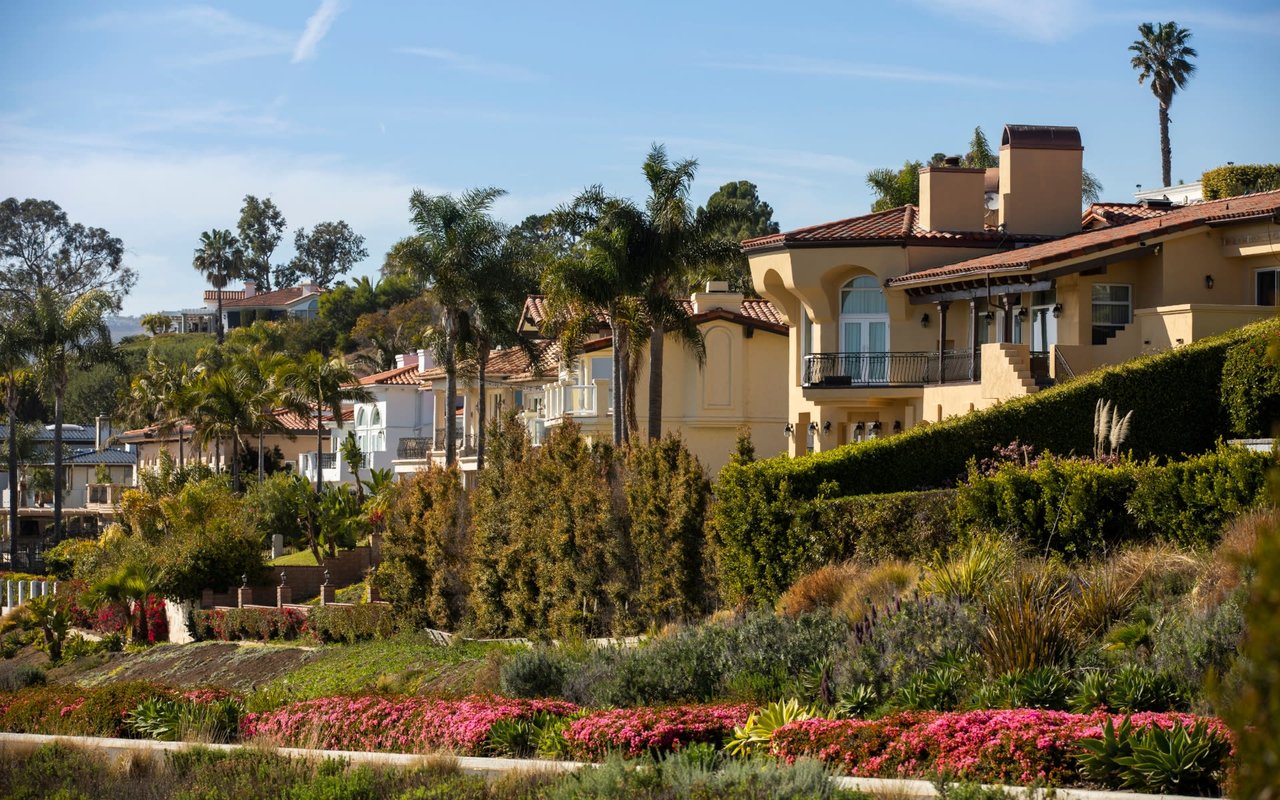
Homes throughout Palos Verdes Estates, Rancho Palos Verdes, Rolling Hills Estates, and the surrounding Peninsula vary considerably in architecture, lot size, condition, views, and location.
A home with unobstructed coastline views, a large usable lot, or exceptional architectural character may have a very different buyer pool than a property requiring substantial renovation.
Understanding the property's unique attributes and how buyers value them is essential.
In Manhattan Beach, location within the city can meaningfully influence pricing and buyer expectations.
A property in the Sand Section may compete with an entirely different set of homes than one in the Tree Section, Hill Section, or East Manhattan Beach.
Lot characteristics, walkability, school proximity, and redevelopment potential can all affect how buyers evaluate an opportunity.
These neighboring coastal communities offer a wide range of property types, from beach-adjacent homes and townhouses to larger residential properties farther inland.
Even within Redondo Beach, buyers comparing the Hollywood Riviera, South Redondo, and North Redondo may prioritize different features and price points.
The relevant competition for a listing isn't every home for sale in the city. It's the properties a qualified buyer would realistically consider as alternatives.
Torrance and San Pedro also contain distinct neighborhoods, housing styles, and buyer considerations.
For some purchasers, proximity to schools, employment, and amenities may be central. Others may prioritize lot size, views, renovation opportunities, or access to the coast.
These differences are why citywide averages should be treated as a starting point rather than a complete pricing or purchasing strategy.
A headline announcing that national home sales have slowed doesn't tell you whether a particular property in Palos Verdes is priced competitively.
And a report suggesting that home prices are increasing nationally doesn't guarantee that every South Bay home will appreciate at the same pace.
To understand your position, you need to look more closely.
Whether you're buying or selling, several measurements can provide a clearer picture of current conditions.
How many comparable properties are currently available?
For sellers, this helps establish how much direct competition their home may face.
For buyers, it helps identify the number of realistic alternatives in a desired location and price range.
How long are comparable homes taking to sell?
A longer marketing period can sometimes indicate an opportunity for negotiation, but it may also reflect pricing, property condition, or other characteristics.
Days on market should be evaluated alongside price adjustments and recent comparable sales.
Are comparable homes closing above, at, or below their most recent asking prices?
This can help reveal how buyers are responding to pricing in a specific segment of the market.
However, asking prices are set by sellers, so the ratio should not be used alone to determine market value.
What have buyers actually paid for similar homes?
Closed transactions are an important foundation for pricing analysis, especially when adjusted for location, size, condition, views, lot characteristics, and other meaningful differences.
Which homes are attracting offers right now?
Pending transactions can provide a more immediate picture of buyer activity than closed sales alone, although final prices generally aren't known until closing.
Together, these indicators help create a more complete picture of local market conditions.
A national headline can start the conversation. Neighborhood-level data should help guide the decision.
For many South Bay homeowners, the decision isn't simply whether to buy or sell.
It's how to coordinate both transactions.
This can be especially important for homeowners who have substantial equity, a favorable existing mortgage rate, or uncertainty about where they'll move next.
Before making a decision, consider:
What is your current home realistically worth?
A detailed comparative market analysis can help estimate potential sale proceeds based on recent comparable transactions, active competition, and property-specific characteristics.
What would your next home cost?
Understanding your likely purchase price, financing requirements, property taxes, insurance, and ongoing expenses can help determine whether moving is financially practical.
Do you need to sell before purchasing?
Depending on your financial position and available financing, you may have several options. These could include selling first, purchasing with a home-sale contingency, or exploring other financing arrangements with a qualified lender.
How much preparation does your current home need?
Some properties benefit from targeted improvements before listing. Others may be better positioned for sale without significant renovations.
The important distinction is identifying which investments are likely to improve marketability or potential net proceeds, rather than renovating simply for the sake of renovating.
What is your ideal timeline?
A well-coordinated strategy should account for financing, property preparation, marketing, negotiations, escrow, and the logistics of your next move.
Sometimes the most valuable first step isn't putting a home on the market. It's understanding the full range of available options.
The answer depends on what you're trying to accomplish.
If you're buying, the right opportunity may be a home that fits your needs, works within your financial comfort zone, and is offered on terms that make sense.
If you're selling, the right timing may depend on your home's condition, the competition in your neighborhood, buyer demand, and your personal circumstances.
If you're considering both, the strategy becomes more complex and often benefits from planning well before either transaction begins.
And if you're not ready to make a move?
That's valuable information, too.
Understanding your home's current market position, monitoring neighborhood inventory, and exploring financing options can help you prepare without committing to a transaction.
These questions can be far more productive than trying to predict exactly where interest rates or home prices will be six months from now.
The South Bay isn't one uniform real estate market.
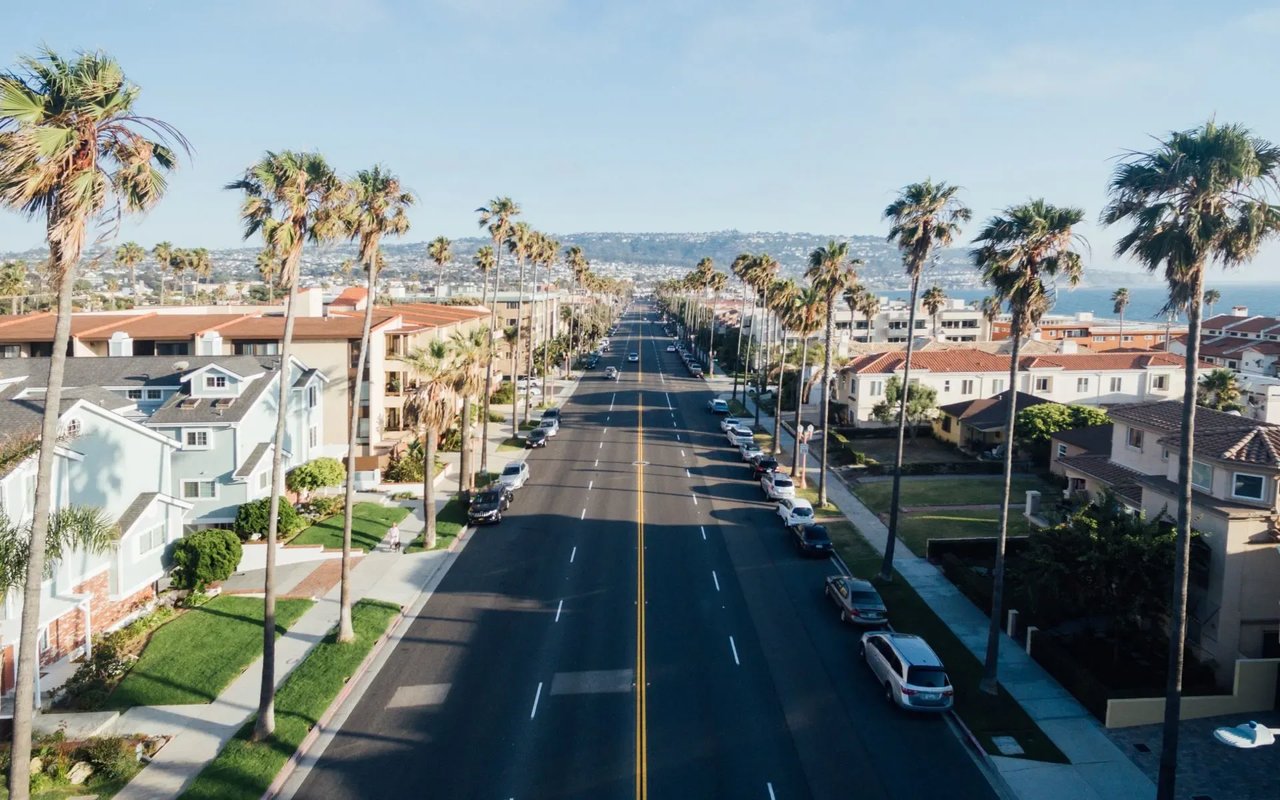
From the coastal neighborhoods of Manhattan Beach and Hermosa Beach to the view properties of Palos Verdes and the diverse residential communities of Redondo Beach, Torrance, and San Pedro, every location has its own characteristics.
And no two homeowners or situations are exactly alike.
At Accardo Real Estate Associates, we believe informed decisions begin with understanding the details: your property, your neighborhood, your goals, and the conditions influencing your particular market.
Our role is to help you evaluate those factors, understand your options, and develop a strategy that reflects your priorities rather than a generalized national narrative.
The headlines may influence the market. They shouldn't make your decisions for you.
Whether you're considering buying, selling, or simply exploring what your home may be worth, we're here to help you understand the South Bay market with greater clarity.
Let's discuss your neighborhood, your timeline, and the opportunities worth considering.
Connect with Accardo Real Estate Associates | Compass
Who You Work With Matters.
Both seasons can offer advantages. Fall and winter may bring less competition on certain properties, while spring often offers more inventory. The better choice depends on available homes, financing, neighborhood conditions, and your personal timeline.
Not necessarily, but affordability should come first. Waiting may improve financing costs if rates decline, although future rates and prices are uncertain. Evaluate the total monthly payment, purchase price, available inventory, and your financial goals with a qualified lender.
No. Some sellers may benefit from fewer competing listings and buyers with specific timelines. However, holiday schedules, limited buyer activity, and property preparation can create challenges. A local market analysis can help determine whether listing now or waiting is more appropriate.
Price trends depend on the time period, neighborhood, property type, and price range being evaluated. Citywide median prices alone may not reflect changes in the value of an individual home. Recent comparable sales, pending transactions, and active inventory provide more relevant context.
Accurate pricing requires evaluating recent comparable sales, current competing listings, property condition, location, unique features, and buyer demand. No single statistic provides a complete picture.
A property-specific comparative market analysis is a useful starting point. It should consider recent sales, active and pending competition, your home's condition and features, and current neighborhood demand.
Market information is provided for general educational purposes and is not a prediction or guarantee of future market conditions. Mortgage rates and financing terms vary by borrower and lender. Consult qualified financial, tax, and real estate professionals regarding your circumstances.
Stay up to date on the latest real estate trends.
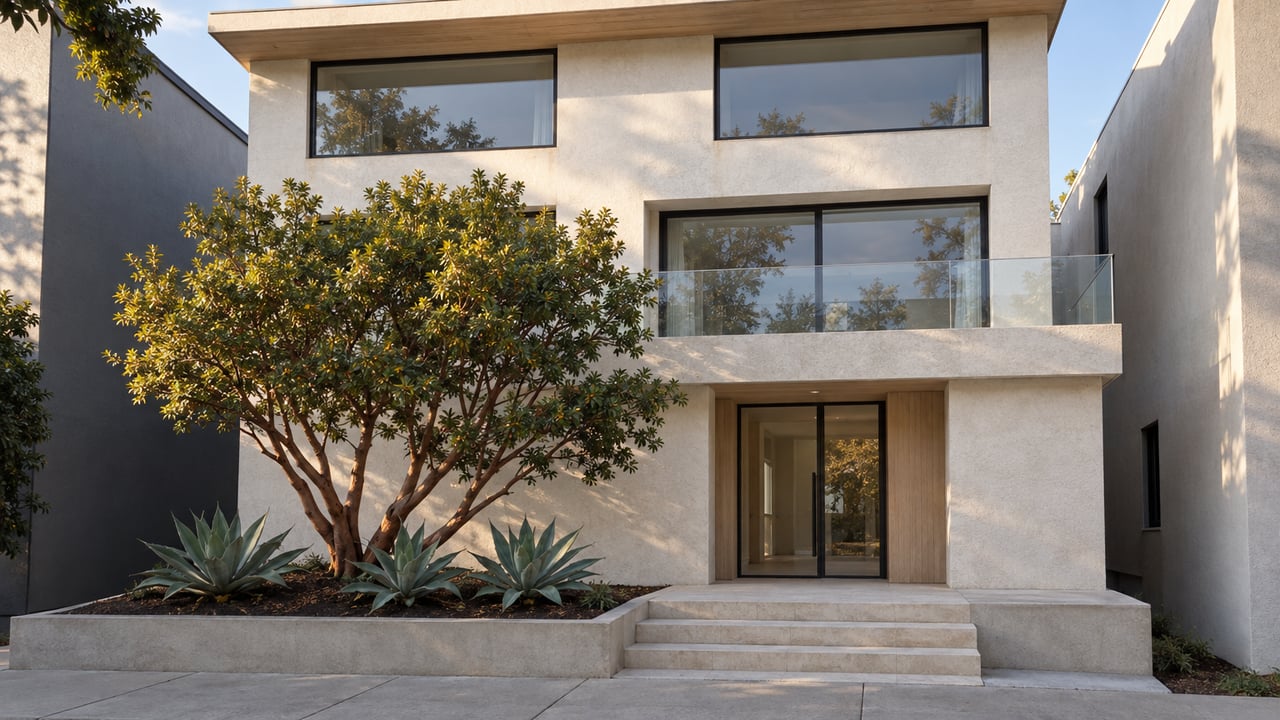

There's something special about the South Bay as the year winds down. Coastal sunsets arrive a little earlier, downtown streets begin to glow with holiday lights, and … Read more

From Redondo Beach to Hermosa Beach and Torrance, Nike's nighttime half marathon put the South Bay in the spotlight.
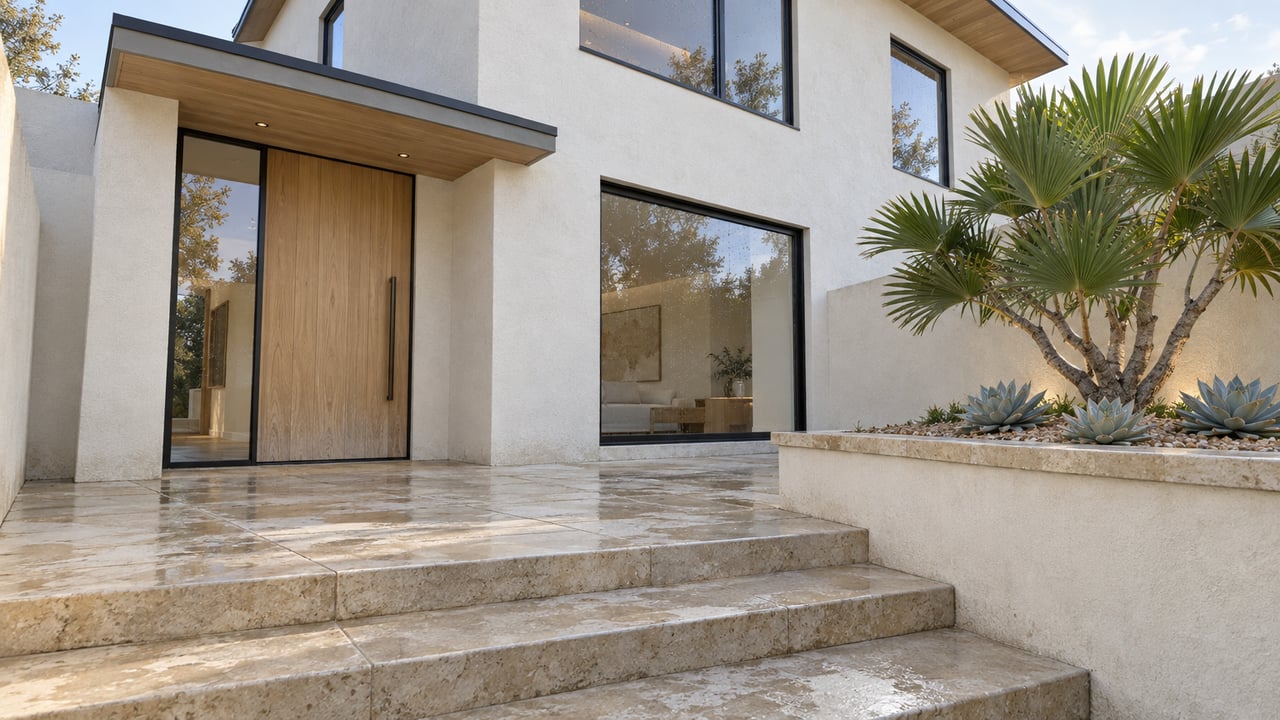
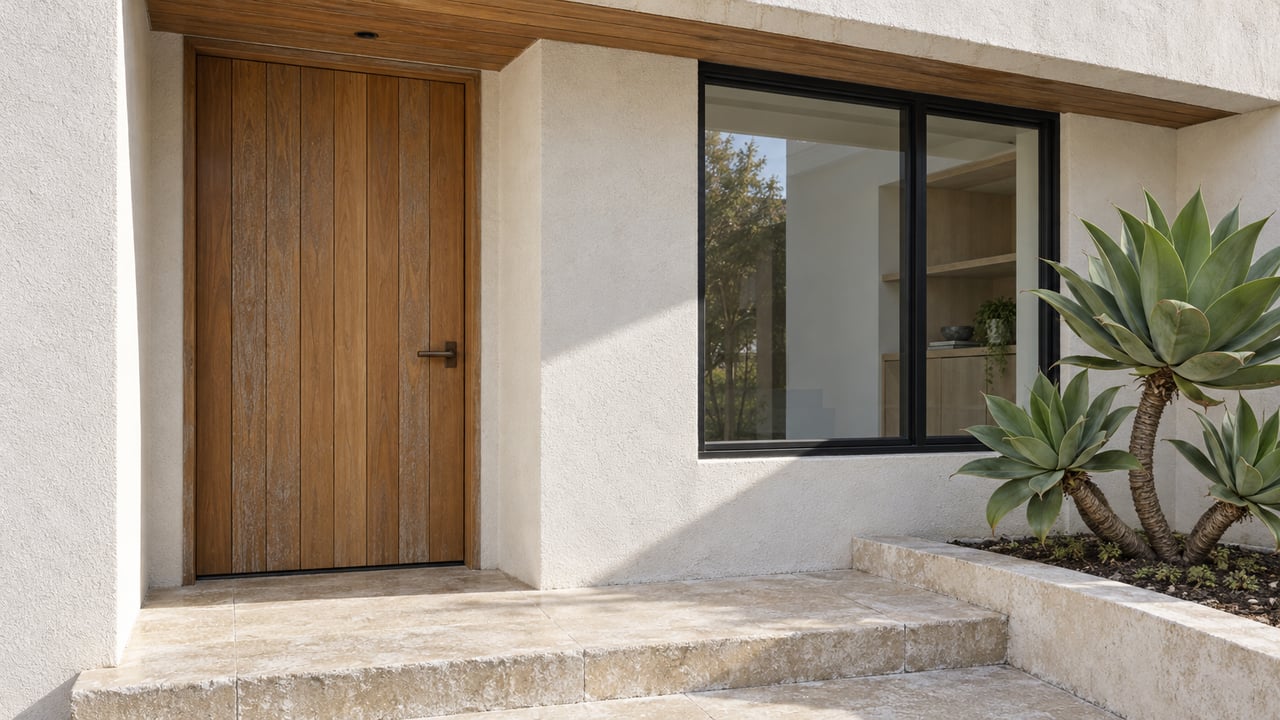
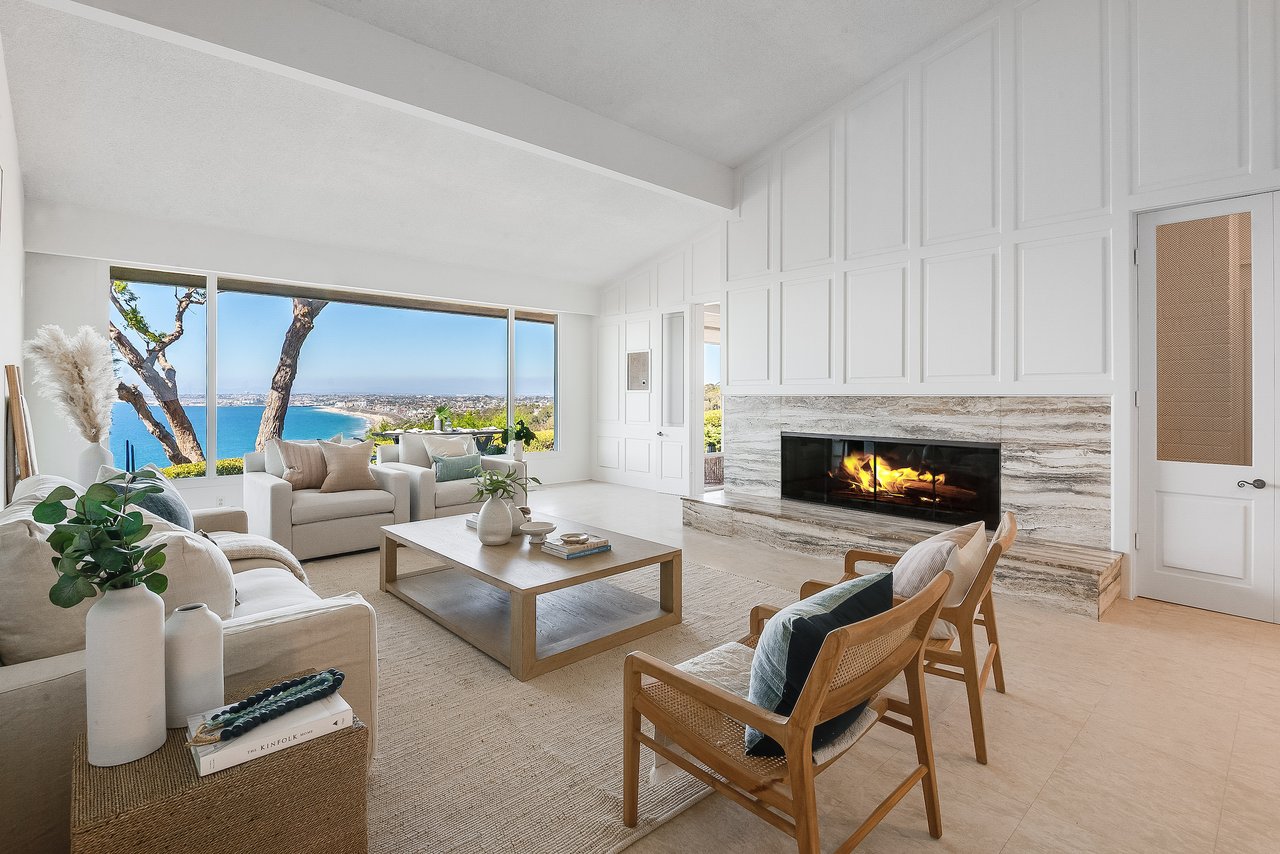
How strategic pricing, thoughtful property improvements, professional staging, and targeted marketing helped turn a Palos Verdes Estates home into a multiple-offer suc… Read more
Hollywood Riviera History | Torrance & Redondo Beach
Real Estate
Thinking of buying or selling in the South Bay before the holidays? Explore mortgage rates, local market trends, and expert advice for your next move.
Tony and his team set out to be not just the best possible realtors but also trusted resources. Their experience goes well beyond their years as South Bay's top-producing Realtors®.
Thinking of buying or selling in the South Bay? Our team specializes in strategic home preparation, elevated marketing, and expert negotiation designed to maximize your home’s value. Call or Text 310.855.3557 to start the conversation.
Palos Verdes Office:
550 Silver Spur Road, Suite 110
Rancho Palos Verdes, CA 90274
Hermosa Beach Office