Polliwog Park's Geese Moved In for Good. The City's Next Fix Targets Nests, Not Sidewalks.
November 12, 2026
November 12, 2026
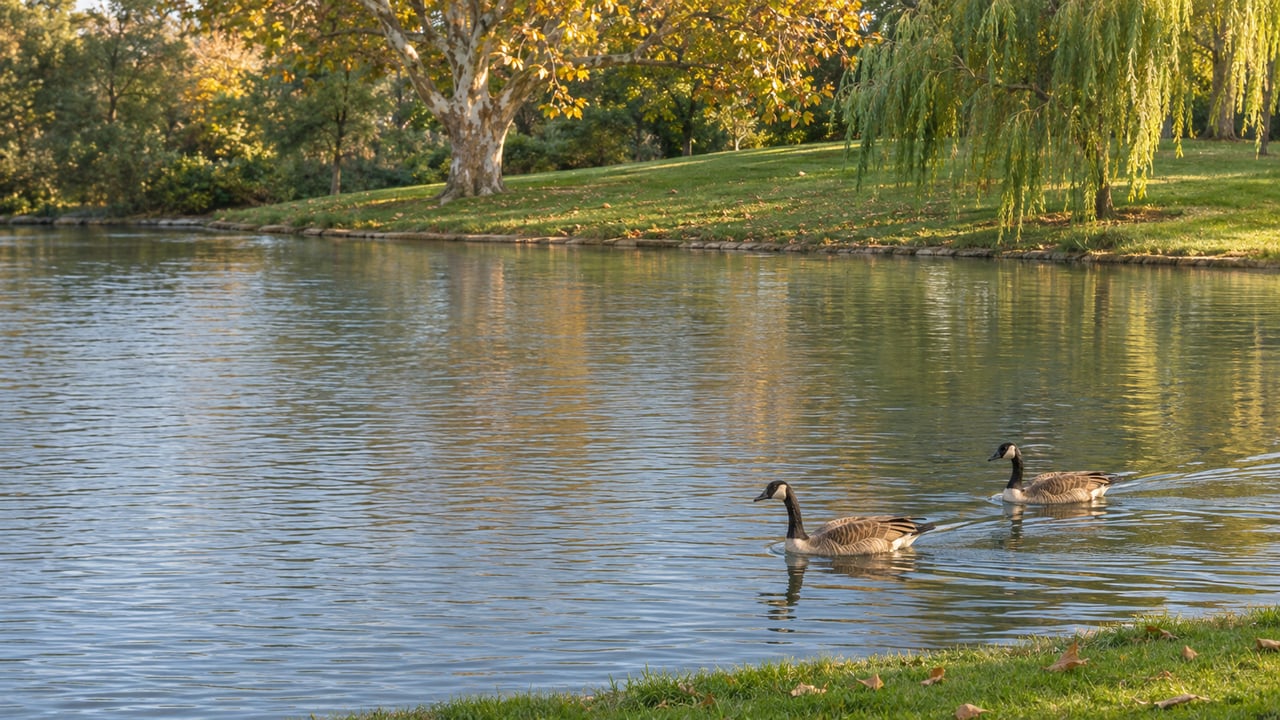
At some point after the 1970s, the Canada geese at Polliwog Park stopped leaving. Until then they came for the winter and went home when the weather warmed, according to Easy Reader's October 28 report on the City Council's latest goose debate.
Everything the city is doing about Polliwog's goose problem now follows from that change. A flock that passes through can be put up with until it leaves. A flock that nests at the pond, raises goslings there and has no reason to go anywhere needs a different response. On October 20, Manhattan Beach Public Works staff told the council that the city's current tools, mostly pressure washers and signs, were never going to be enough.
Public Works Director Ramzi Awwad's explanation to the council, as Easy Reader reported it, is simple. Polliwog has a pond the geese can retreat into, acres of irrigated turf to graze, and a steady stream of people who show up with bread. Nothing hunts them there. "A great place for geese, like it is for humans," Awwad said. "They like being here."
When Councilperson Amy Howorth asked why the population had grown, given that the weather, pond and grass had always been there, parks maintenance supervisor Chris O'Brien pointed to the mild climate and the lack of a true apex predator.
The predator part is awkward for Manhattan Beach. Biologist Robert Hamilton, whom the city hired in November 2024, told the council in September of last year that coyotes are the Canada goose's main natural predator. The city has spent about four years trying to get coyotes out. In Easy Reader's phrasing, the city's two wildlife problems are "inconveniently, each other's solution."
The year's biggest goose counts at Polliwog come in fall. At the October meeting, Hamilton cited eBird, the crowdsourced birding database. Its fall high counts at Polliwog this year ran 60 to 80 geese, with a one-time spike of 134. Spring counts run 20 to 40. Staff estimate the year-round population at 30 to 40 birds, and they saw only two goslings this year.
So in fall, the resident flock is joined by roughly as many seasonal visitors again, and sometimes far more. Easy Reader also did the math on what that means underfoot. Each goose eats about four pounds of grass and leaves about three pounds of droppings a day, which works out to 60 to 240 pounds of excrement every day at the park.
O'Brien told the council the irrigated sports fields mostly clean themselves, because the sprinklers wash the droppings into the soil, where they work as fertilizer. The real problem is the hard surfaces around the pond, the concrete the geese climb onto straight from the water.
Right now the city pressure-washes the sidewalks around the pond on Tuesdays and Fridays. That's up from once a week, a change residents asked for at an April 2025 community meeting. Councilperson Steve Charelian praised the crews for getting the area "like spotless," then added, "But then a couple hours later, back again."
The October 20 staff report, item 26-0061 in the city's agenda packet, gave the council three options:
The cost of option two sets the scale. One more day of washing costs nearly as much as the two existing days combined, a point Mayor Pro Tem Nina Tarnay raised at the meeting. Awwad said a third day would stretch Public Works crews past what they can handle and would have to be contracted out.
O'Brien described the three choices bluntly, according to Easy Reader:
"One, we can keep doing what we're doing and expect the same outcomes. Two, increase the service levels, and we'll likely have the same outcomes. And three, address the root cause with the help of trained leaders in the respective field, and develop a roadmap to success with measurable outcomes of control."
O'Brien named the root cause as reproduction. "If they're going to raise their young there, they're going to continue to have success there. They're going to stay there," he told the council.
The written report described a plan built on surveillance, deterrence and hazing, habitat modification and public outreach, and it said a temporary or permanent barrier along the pond edge could be considered. In his presentation, O'Brien filled in the details. Game cameras would track the flock. Lasers, acoustic devices and predator decoys would haze it. A fence, railing or hedge would change the pond edge. Staff also said the plan would likely include methods the council had rejected the year before, among them dogs chasing the geese, banding birds to track them, and addling eggs so they don't hatch.
Egg addling is the clearest sign of how far the discussion has moved. When Hamilton first laid out countermeasures in September of last year, the council took everything on his list except addling.
The fence idea comes from how geese behave. O'Brien said they want a clear view of the water. In the natural area behind the pond, near Manhattan Beach Middle School, they don't gather, because they can't see what might come up behind them. A barrier could recreate that effect, and Hamilton said it would at least keep the geese off the concrete. The turtles that climb onto the same concrete to sun themselves would be affected too.
O'Brien said the firm the city has in mind helped carry out the goose program in a Bay Area city the council discussed last year. Easy Reader identified that city as Foster City, which Hamilton had described as running a $430,000 goose budget with a full-time biologist, border collies, helium balloons, floating decoys and a drone shaped like a peregrine falcon.
Tarnay asked the question anyone who uses another east-side field would ask: if Polliwog stops being comfortable for the geese, where do they go? O'Brien said they've already been seen at:
At a public meeting, residents also reported geese nesting in their yards. Hamilton was frank about the limits of any local plan. "Short of having a statewide or a national program, pretty much all you can do is try to keep them out of your area," he said. Asked whether the city could ever get to zero geese, he said no.
That makes a nest-focused plan easier to understand. Geese that are hazed away while still raising young at Polliwog will come back. Geese that stop producing goslings there lose the main thing anchoring them to the pond.
Of everything keeping the geese at Polliwog, feeding is the easiest for park visitors to change. The city has six signs up at the park, three in English and three in Spanish, which cost about $270 in total. Easy Reader reported that feeding wildlife at Polliwog violates the municipal code and carries a fine of $250 to $1,000. Staff couldn't recall a single citation.
Mayor Joe Franklin, who voted against the plan, suggested a lower-cost approach first. He proposed shorter signs, a few citations, and volunteers from service clubs and Boy Scouts walking the park to talk with people who bring bread.
The council didn't pick one option. Tarnay's motion combined them. It approved up to $25,000 a year for more pressure washing and $50,000 for the specialist plan, and it directed staff to bring back cost estimates and renderings for a temporary fence before anything is built. The motion passed 4–1, according to the meeting transcript.
"My preference is to really understand the totality of the problem and the possible solutions," Tarnay said. "Otherwise, I think we're just kicking the poop can down the road for another day."
The staff report said firm costs and budget requests would come back with the first-quarter budget update in November 2026. That money wasn't on the council's November 4 agenda. The next regular meeting is November 17. The pace on the pond walkway over the coming months depends on that budget request: whether a third washing day starts, whether the fence moves from renderings to a pond edge, and whether a specialist firm gets the go-ahead for next nesting season.
Charelian called Polliwog "the iconic location in East Manhattan Beach." Getting the geese to leave the concrete, and maybe the pond, will mean making that iconic spot a little less comfortable for a flock that no longer has a reason to leave.
At Accardo Real Estate Associates, we keep track of the council decisions that shape everyday life in our neighborhoods, from the pond walkway at Polliwog to the fields at Begg and Marine Avenue. If you're curious how east Manhattan Beach's parks and public spaces factor into what your home is worth, request a complimentary market consultation and we'll walk you through it.
Stay up to date on the latest real estate trends.


There's something special about the South Bay as the year winds down. Coastal sunsets arrive a little earlier, downtown streets begin to glow with holiday lights, and … Read more
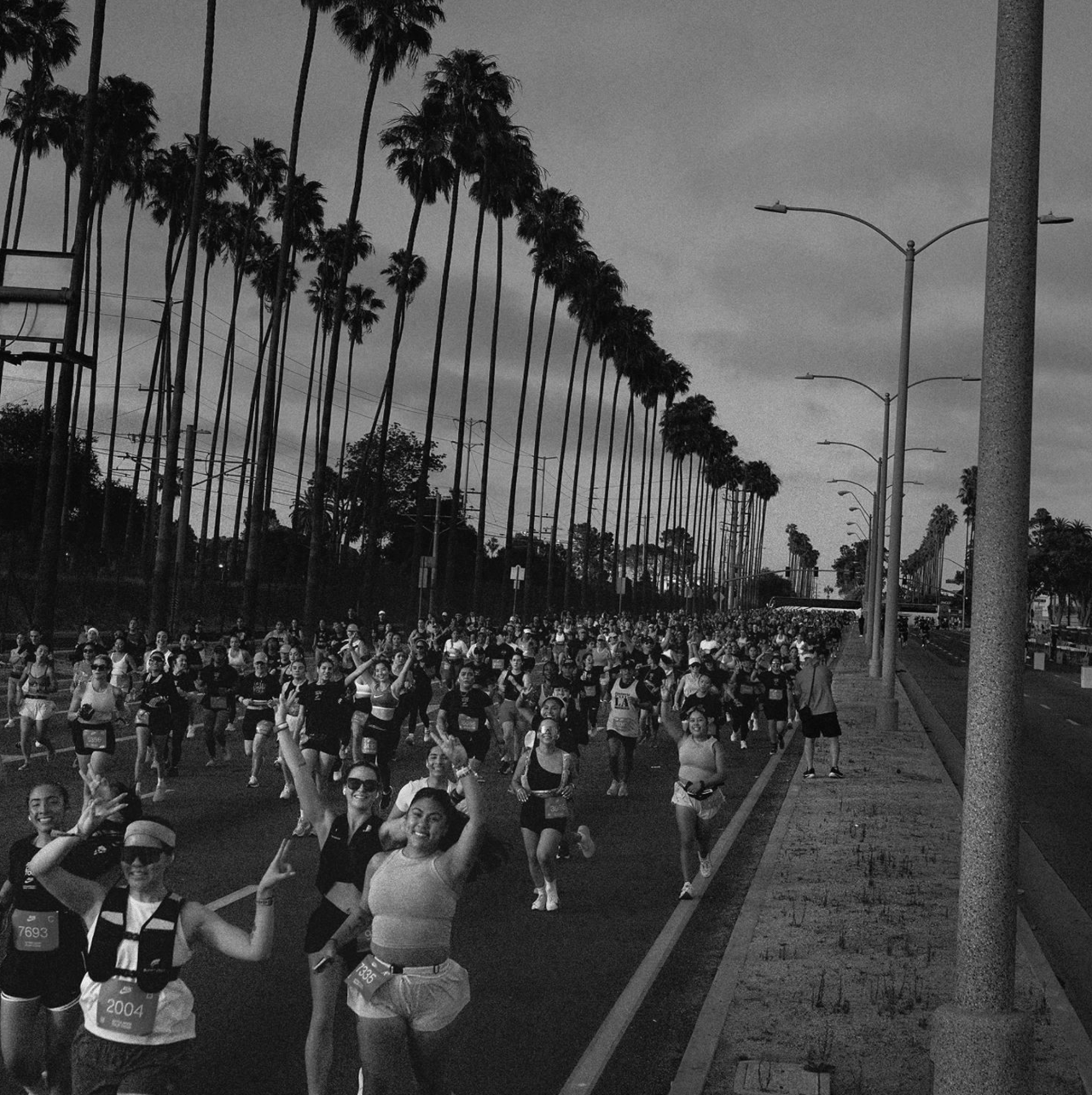
From Redondo Beach to Hermosa Beach and Torrance, Nike's nighttime half marathon put the South Bay in the spotlight.



How strategic pricing, thoughtful property improvements, professional staging, and targeted marketing helped turn a Palos Verdes Estates home into a multiple-offer suc… Read more
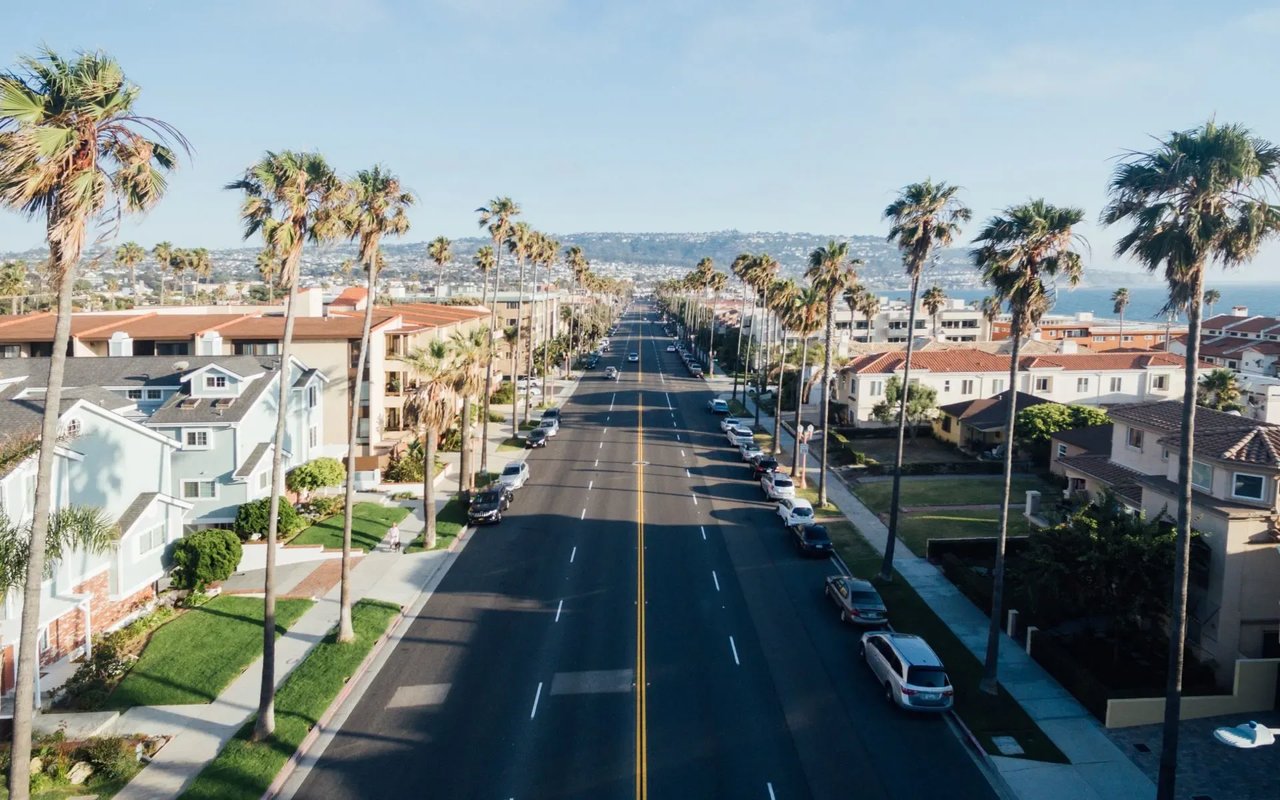
Hollywood Riviera History | Torrance & Redondo Beach
Tony and his team set out to be not just the best possible realtors but also trusted resources. Their experience goes well beyond their years as South Bay's top-producing Realtors®.
Thinking of buying or selling in the South Bay? Our team specializes in strategic home preparation, elevated marketing, and expert negotiation designed to maximize your home’s value. Call or Text 310.855.3557 to start the conversation.
Palos Verdes Office:
550 Silver Spur Road, Suite 110
Rancho Palos Verdes, CA 90274
Hermosa Beach Office