Living Near The Strand In Manhattan Beach
July 23, 2026
July 23, 2026
If you have ever imagined stepping outside and being just moments from the sand, the surf, and one of the South Bay’s most iconic coastal paths, living near The Strand in Manhattan Beach probably feels like the dream. It is easy to see the appeal, but it also helps to know what daily life really looks like, how the housing stock tends to differ from other neighborhoods, and what ownership considerations come with such a sought-after address. This guide will help you understand the lifestyle, home styles, and practical tradeoffs that come with living near The Strand in Manhattan Beach. Let’s dive in.
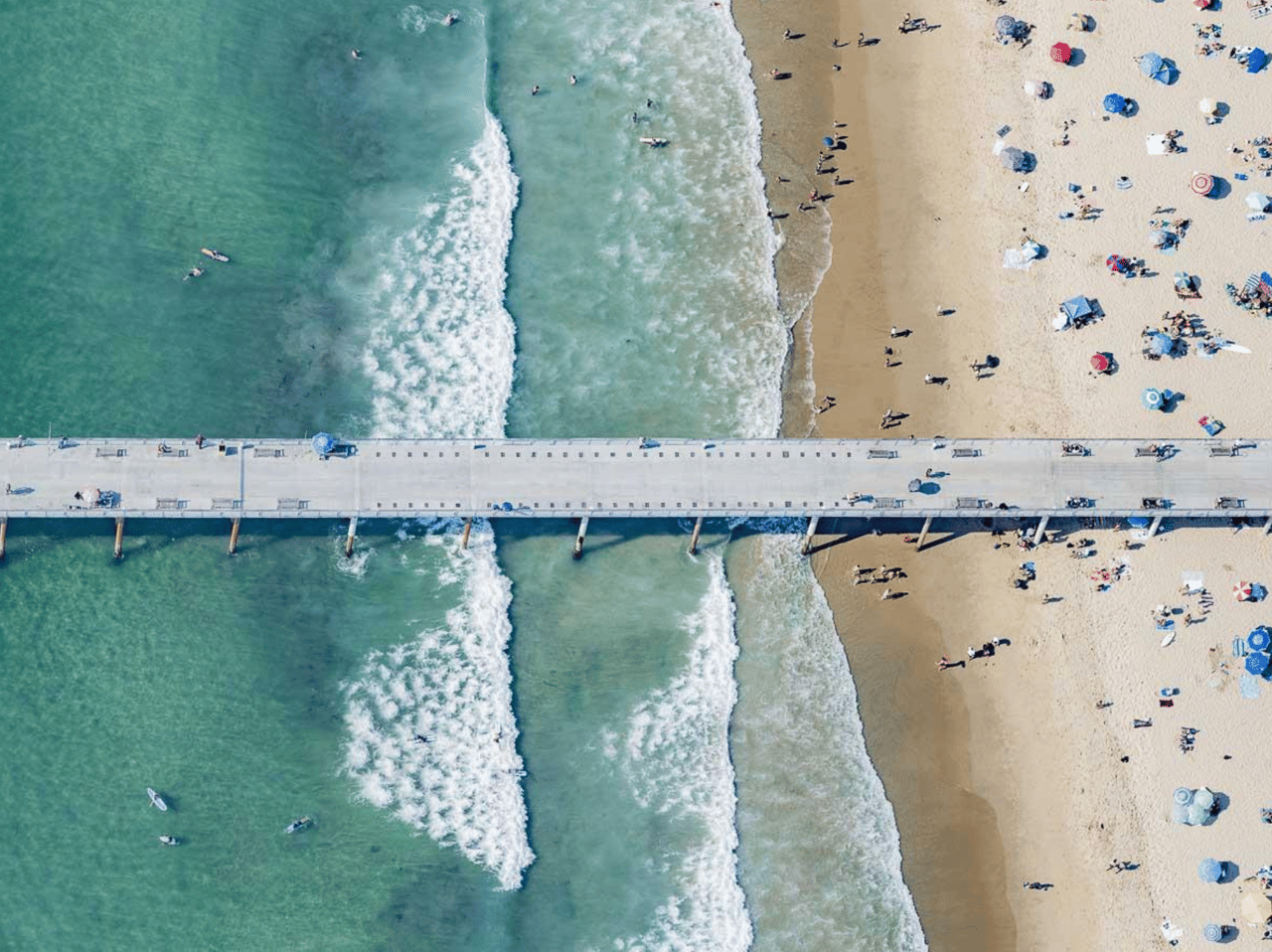
The Strand is one of the defining features of Manhattan Beach. It is a paved pedestrian walkway that runs along the shoreline and offers about two miles of continuous beach access. Just nearby, you also have the Marvin Braude Bike Path, the Manhattan Beach Pier, and the broader beachfront that gives the area its unmistakable coastal energy.
The setting is more than scenic. Los Angeles County describes Manhattan Beach as having more than two miles of ocean frontage, 115 acres of sandy beach, and a 900-foot pier at the end of Manhattan Beach Boulevard. The pier, built in 1920, is also recognized as a State Historical Landmark and holds the distinction of being the oldest concrete pier on the West Coast.
Living near The Strand means your daily routine can feel more outdoor-focused than in many other parts of Los Angeles County. A morning might start with a walk or run along the pedestrian path, followed by time at the beach, a stop near the pier, or a quick trip into downtown Manhattan Beach. The area is closely tied to activities like swimming, surfing, volleyball, and simply spending time outdoors.
That sense of movement is part of the neighborhood’s identity. The city’s visitor information highlights strolling the Strand and pier, using the paved beachfront bike path, and enjoying downtown shopping and dining just steps from the beach. If you want a location where the shoreline is part of your weekly rhythm, this area delivers that in a very direct way.
One of the biggest advantages of living near The Strand is how walk-oriented the area feels. Manhattan Beach has historic roots as a pedestrian-friendly beach town, and that pattern still shows up today. In the early 1900s, planks were laid in the sand along Manhattan Avenue, The Strand, and side streets for pedestrians, which helped shape the beachfront character you still notice now.
Today, that pedestrian emphasis continues through The Strand itself, nearby walkstreets, and other local routes. The city describes walkstreets as pedestrian-only streets that front residential units, with alleys typically providing vehicle access. Veterans Parkway also adds a 1.5-mile jogging trail and workout stations, expanding the area’s outdoor network beyond the sand.
If you are considering a home near The Strand, it is important to understand how the public spaces are used. The city states that only pedestrian traffic is allowed along The Strand. Pedestrians are also not allowed on the beach bike path, and the city’s 2023 e-bike ordinance prohibits riding on The Strand, sidewalks, plazas, grass areas, and Veterans Parkway.
That matters because it affects how calm and walk-focused the immediate beachfront environment feels. It also helps set expectations if you bike regularly. On the Marvin Braude Bike Trail, speed is limited to 15 miles per hour, which reflects the city’s effort to balance recreation, safety, and high foot traffic.
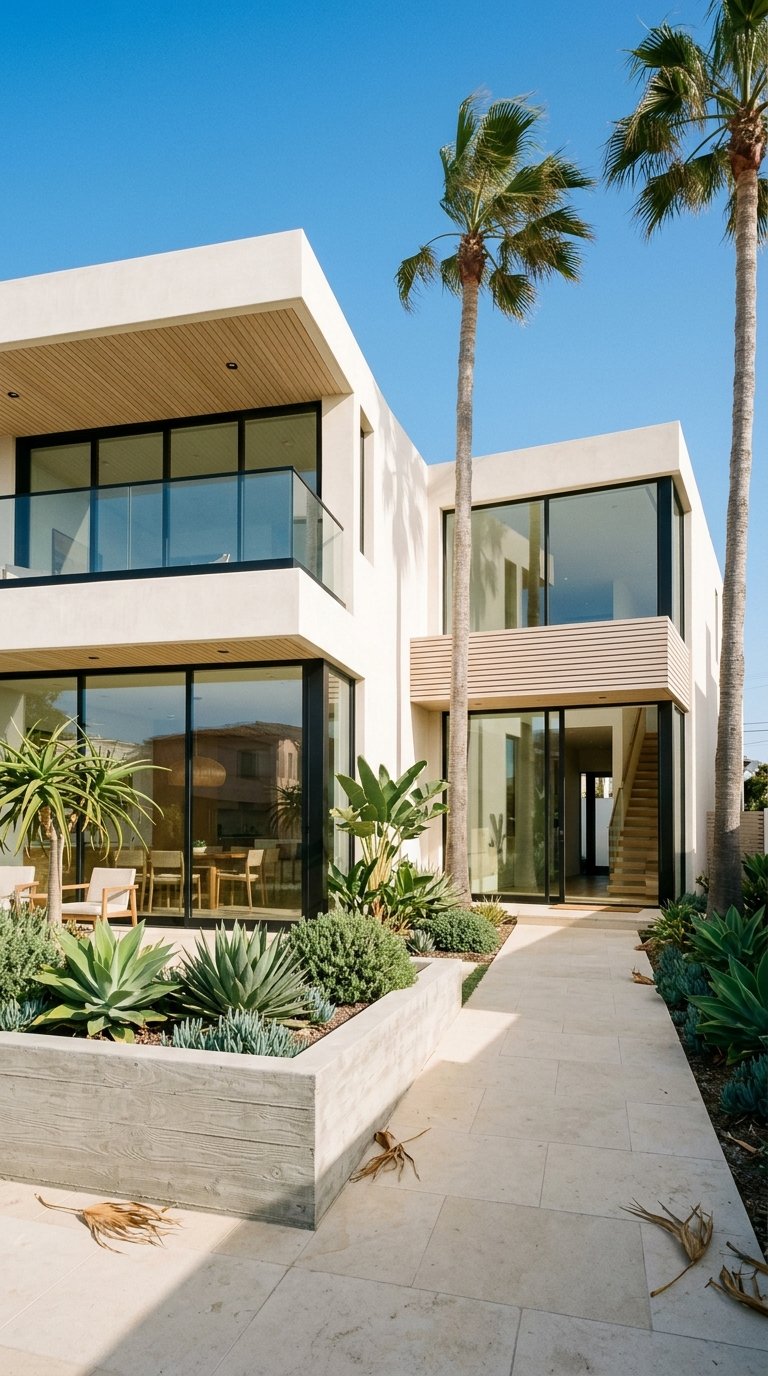
Housing near The Strand tends to feel distinct from more traditional suburban neighborhoods. The area is shaped by narrow lots, beachfront positioning, and a long history of redevelopment and remodeling. Rather than large front yards and wide setbacks, you will often find homes designed to maximize light, views, and proximity to the coast.
The city’s project records point to a mix of newer multi-story construction and redevelopment in the beach area. That includes examples such as a new three-story single-family residence on 14th Street and a Strand-area project in El Porto that replaced a single-family home with a two-unit condominium project. In practical terms, that means buyers should expect a built environment where newer construction and updated homes are common.
While many homes near The Strand have been remodeled or rebuilt, historic architecture has not disappeared entirely. The city identifies a 1932 duplex on Highland Avenue as a Spanish Colonial Revival property and notes it as one of the few remaining examples of that style with strong integrity. That detail offers a useful clue about the area: there are still pockets of older character, even as much of the housing stock evolves.
For most buyers, the best way to think about Strand-adjacent housing is as a blend of preserved historic homes, remodeled beach-era residences, and contemporary custom properties. The architectural feel can shift noticeably from one block to the next. That variety is part of what makes home searches here both exciting and highly specific.
When you look at homes near The Strand, layout often matters just as much as square footage. Lot-constrained parcels can create creative floorplans, vertical living, and strong emphasis on ocean-oriented siting. Many properties are designed around views, access, and natural light rather than the larger yards you might expect in inland neighborhoods.
This can be a real advantage if your lifestyle priorities center on location and experience. At the same time, it means you will want to think carefully about storage, parking, outdoor space, and how the home functions day to day. A beach-close property often asks you to weigh convenience and setting against more traditional suburban spacing.
If you are hoping to update or expand a property near The Strand, local rules should be part of your planning from the start. The city notes that projects in the Coastal Zone generally require a coastal permit unless exempted. Buyers are also directed to additional rules related to height, open space, accessory dwelling units, encroachments, and other development standards.
That does not mean improvements are out of reach. It simply means the process can involve more review and more detail than a similar project elsewhere. If you are buying with renovation plans in mind, understanding those requirements early can save time and help you make a more informed decision.
Manhattan Beach is already known as a premium coastal market, and Strand-adjacent living sits at the higher end of that profile. Redfin describes Manhattan Beach as a very competitive market, with homes receiving about one offer on average and selling in around 28 days. Over the three months ending in May 2026, Redfin reported a median sale price of $3,747,757.
Zillow’s home value index placed the average home value in Manhattan Beach at $3,315,156 as of June 30, 2026. On The Strand itself, pricing can rise far beyond citywide averages. One current example in the research is an active listing at 3216 The Strand for $24,995,000, which shows just how wide the pricing range can be at the very top of the beachfront market.
Parking is one of the most important practical topics to think through before buying near The Strand. The city offers overnight residential parking permits in the Upper Pier Lots, the 26th Street Lot, and the El Porto Lot, but those permits are valid only in the designated lot and not for street parking. That distinction matters if you are comparing homes with different garage setups or limited on-site parking.
It is also worth remembering that this is a very popular public beach destination. Los Angeles County notes that Manhattan Beach has more than 450 public parking spaces, while the city has also stated that downtown commercial parking spaces are oversubscribed and has added temporary overflow parking. In everyday terms, beach access is excellent, but parking can take planning.
For many buyers, living near The Strand is less about square footage alone and more about choosing a specific way of life. This location tends to appeal most to people who value walkability, beach access, and an active outdoor routine. If you want the shoreline to feel like an extension of your home, few places in the South Bay match this setting.
It is also important to be realistic about the tradeoffs. Premium pricing, tighter parking, lot constraints, and added permitting considerations are all part of the ownership experience here. For the right buyer, those factors are well worth it, but they should be part of the conversation from the beginning.
A home near The Strand is not just another coastal purchase. Micro-location, parking configuration, remodeling potential, and even the feel of one block versus another can all influence long-term satisfaction and value. That is why local knowledge matters so much when you are evaluating options in this part of Manhattan Beach.
If you are considering buying or selling near The Strand, working with a team that understands the South Bay’s coastal housing patterns can help you move with more clarity and confidence. To explore your options with a boutique, relationship-first team, connect with Accardo Real Estate Associates.
Stay up to date on the latest real estate trends.
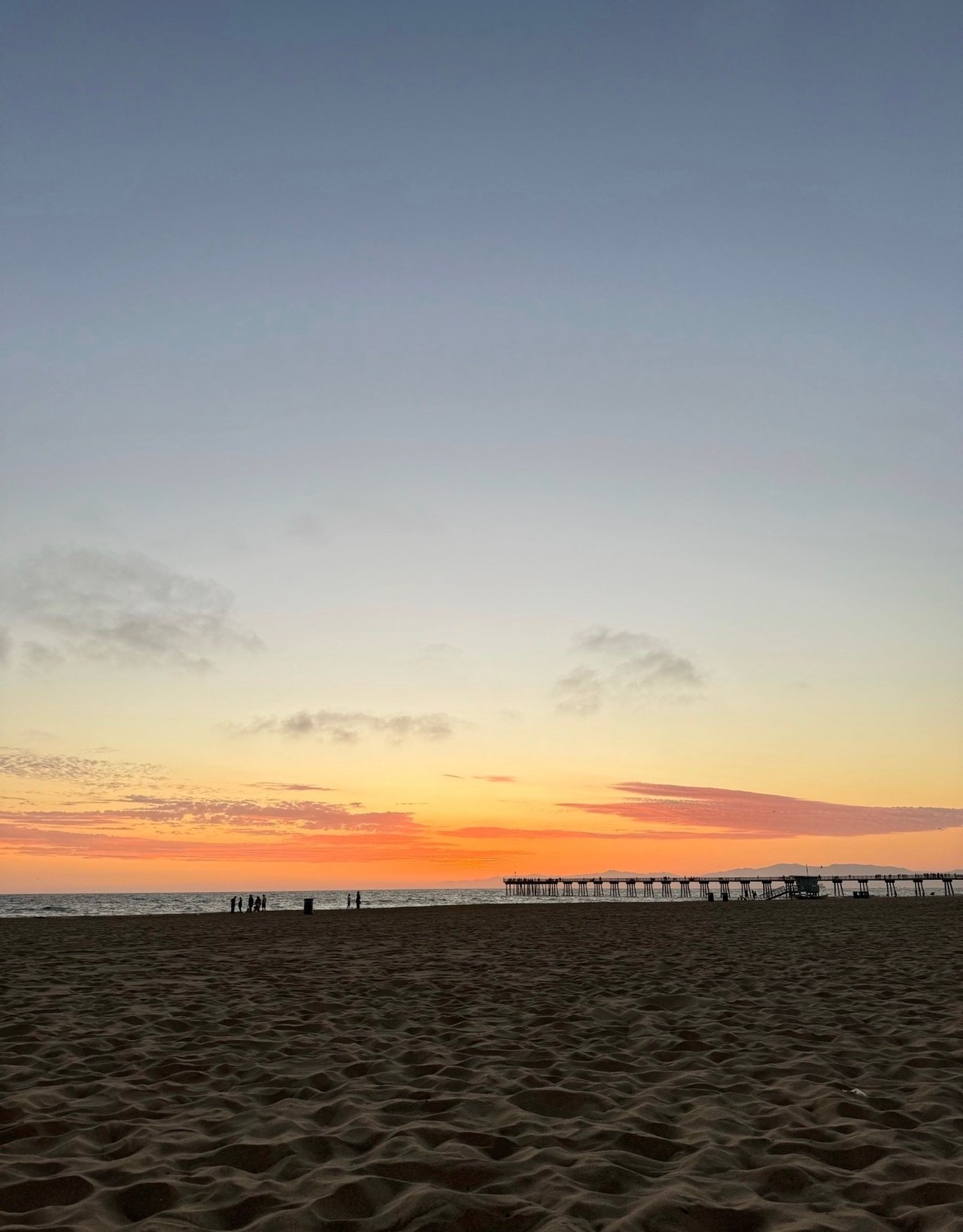
Summer may be winding down, but there's still plenty of time to discover something new around the South Bay.
Looking for the perfect spot for cocktails before dinner or somewhere to celebrate a special occasion? These are the places we find ourselves recommending over and ove… Read more
If you're thinking about selling your home, you've probably asked yourself one question before anything else:
Tony and his team set out to be not just the best possible realtors but also trusted resources. Their experience goes well beyond their years as South Bay's top-producing Realtors®.
Thinking of buying or selling in the South Bay? Our team specializes in strategic home preparation, elevated marketing, and expert negotiation designed to maximize your home’s value. Call or Text 310.855.3557 to start the conversation.
Palos Verdes Office:
550 Silver Spur Road, Suite 110
Rancho Palos Verdes, CA 90274
Hermosa Beach Office